Chamber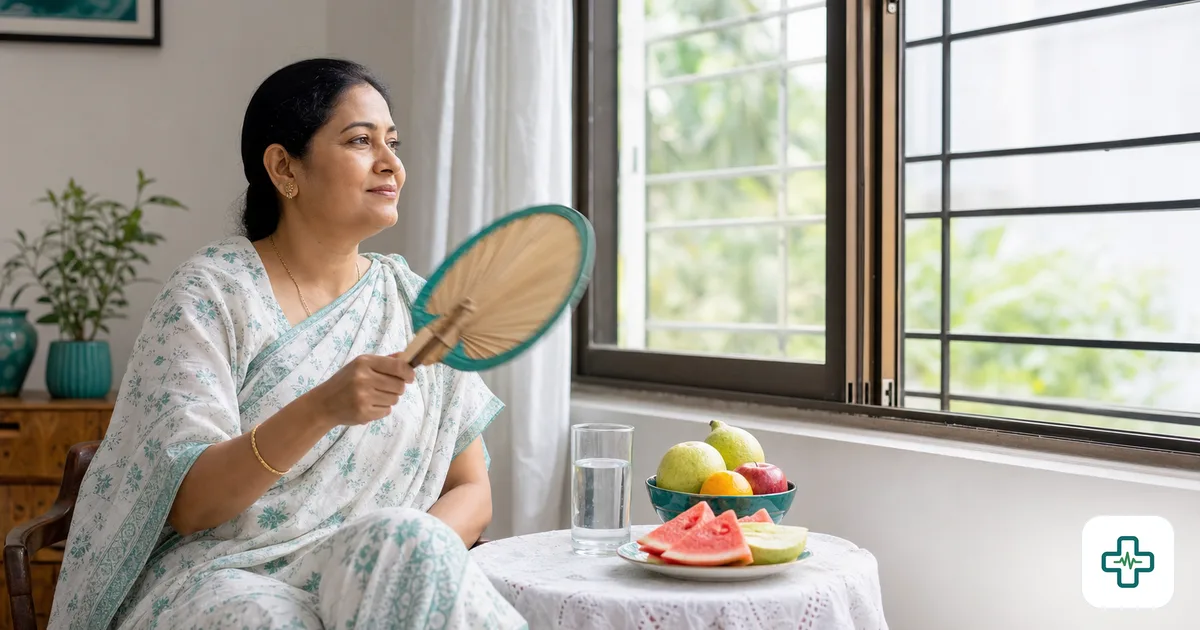
Menopause: Symptoms, Hot Flashes and Bone Health
Menopause is a natural part of every woman's life, not a disease, and it marks the time when monthly periods stop for good. In Bangladesh it usually happens between the ages of 45 and 55, and is confirmed when a woman has had no period for twelve months in a row. The years around it can bring hot flushes, sleep trouble and mood changes, and afterwards the risk of weak bones and heart disease rises. Understanding what is happening helps women take it in stride and stay healthy for the decades ahead. This article is general health information and does not replace advice from a qualified doctor.
What is menopause and why does it happen?
As the ovaries gradually make less of the hormone oestrogen, ovulation and periods become irregular and finally stop. The transition before periods end completely is called perimenopause, and symptoms often begin during this phase while periods are still happening. Menopause is a normal milestone, but because oestrogen also protects the bones, heart and other tissues, its fall explains many of the changes that follow.
What are the common symptoms?
- Hot flushes and night sweats, a sudden feeling of heat in the face and chest, sometimes disturbing sleep.
- Irregular periods that come closer together or further apart before they stop.
- Mood swings, irritability, anxiety or low mood, and trouble sleeping.
- Vaginal dryness, discomfort during intimacy, and more frequent urinary or vaginal infections.
- Tiredness, joint aches, and difficulty concentrating or remembering.
What are the longer-term risks after menopause?
Two quieter changes matter most. First, bones lose density faster, raising the risk of osteoporosis and fractures of the hip, spine and wrist, often without warning until a bone breaks. Second, the natural protection oestrogen gave the heart fades, so the risk of high blood pressure and heart disease rises and deserves attention. The good news is that diet, exercise and regular check-ups can strongly reduce both risks, so this stage is an opportunity to invest in long-term health rather than a cause for fear.
How can you manage menopause at home?
Many symptoms ease with simple lifestyle steps, and these same habits protect the bones and heart.
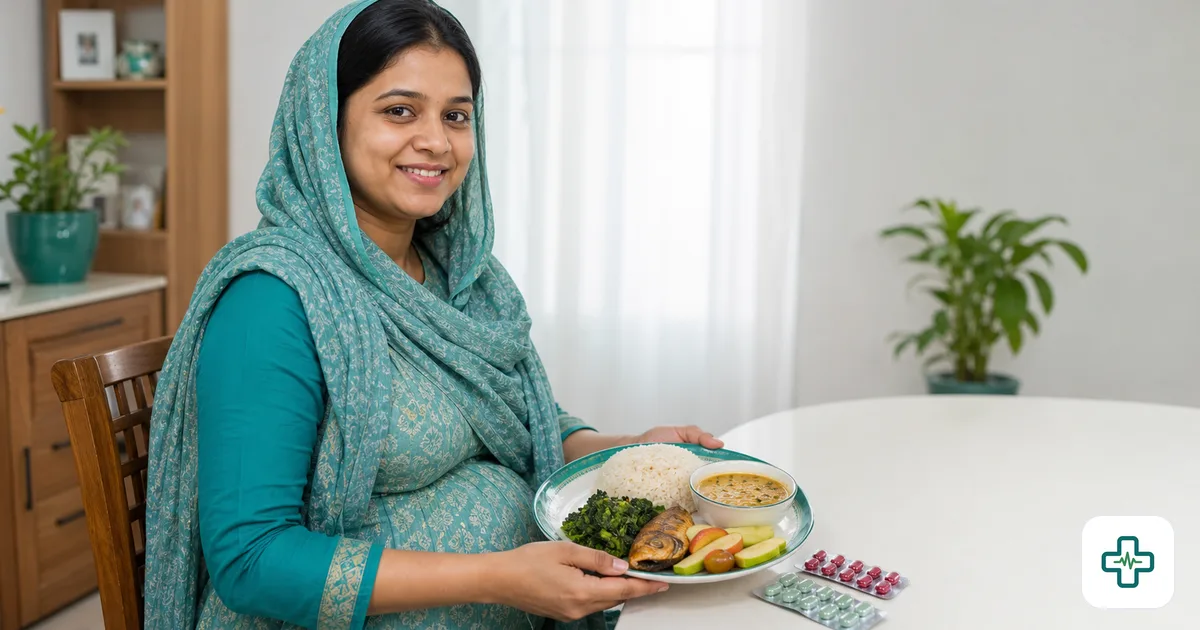
- Eat calcium-rich foods such as milk, yoghurt, small fish eaten with bones, dal and green leafy vegetables, and get some morning sunlight for vitamin D.
- Stay active with daily walking and weight-bearing or light strength exercise to keep bones and muscles strong.
- Dress in light cotton layers, sip cool water and avoid hot, spicy food, excess tea or coffee if hot flushes bother you.
- Do not smoke, limit weight gain, and keep blood pressure and blood sugar checked.
- Protect sleep with a cool room and a calm routine, and share feelings with family or friends to ease mood changes.
If a doctor advises calcium or vitamin D supplements, you can read about them in our medicine directory, but take supplements and any hormone treatment only on medical advice rather than starting them yourself.
When should you see a doctor?
See a doctor if hot flushes, mood changes or sleep problems are badly affecting your daily life, as treatment including hormone therapy may help selected women. Importantly, get checked urgently for any bleeding after periods have stopped for a year, very heavy or unusual bleeding, or bleeding after intimacy, as these need evaluation and should never be ignored. It is also wise to review bone and heart health around this time. You can see a relevant specialist such as a gynaecologist, use our free prescription tool to keep instructions clear, and read more health tips on women's health.
Frequently Asked Questions
At what age does menopause usually happen in Bangladesh?
Menopause most often occurs between 45 and 55 years, with the years leading up to it (perimenopause) starting a little earlier. If periods stop before 40, it is called early menopause and should be discussed with a doctor, as it may need specific care.
Is bleeding after menopause ever normal?
No. Once you have gone a full year without periods, any vaginal bleeding is not normal and should be checked by a doctor promptly. It is often due to a harmless cause, but it must be evaluated to rule out anything serious.
Do I need hormone replacement therapy?
Not everyone needs it. Hormone therapy can help women with troublesome hot flushes or other symptoms, but it is not suitable for everyone and has risks and benefits that depend on your health. A doctor can advise whether it is right for you and at what dose, so it should never be started on your own.
How can I protect my bones after menopause?
Eat calcium-rich foods, get safe morning sunlight or prescribed vitamin D, and do regular weight-bearing exercise like walking. Avoid smoking, and ask your doctor whether you need a bone-density check or supplements, especially if you have had a fracture or are at higher risk.
This article is for general health education and is not a substitute for professional medical advice.