Kidney Disease: Early Signs, Causes and How to Protect Your Kidneys
Your kidneys quietly filter your blood, balance fluids and remove waste every second of the day — yet kidney disease can creep up for years with almost no symptoms. In Bangladesh, rising rates of diabetes and high blood pressure, along with the widespread habit of buying painkillers without a prescription, are pushing more people towards chronic kidney disease (CKD). The encouraging news is that early detection and simple lifestyle steps can protect your kidneys for life.
Why is kidney disease called a "silent" disease?
Kidney disease is called silent because the kidneys keep working even when a large part of their function is already lost. A person can lose more than half of their kidney function before noticing anything wrong. Symptoms often appear only in the later stages, by which time damage may be permanent. This is why people with diabetes or high blood pressure should get their kidneys checked regularly, long before they feel unwell.
What are the early signs of kidney disease?
Early signs are easy to overlook or blame on overwork, but a few patterns are worth noticing. Swelling, changes in urine and unexplained tiredness are among the most common.
- Swelling (oedema): puffiness around the eyes in the morning, or swollen ankles and feet.
- Foamy urine: persistent froth in the toilet, a sign of protein leaking into urine.
- Frequent night urination: waking several times at night to pass urine.
- Fatigue and weakness: feeling tired, with poor appetite and difficulty concentrating.
- Itchy, dry skin: caused by waste building up in the blood.
What causes kidney disease in Bangladesh?
By far the two biggest causes are diabetes and high blood pressure, which together account for most cases of chronic kidney disease. A major and avoidable problem in Bangladesh is the long-term use of painkillers — especially NSAIDs like diclofenac and ibuprofen — bought freely from pharmacies without medical advice. Taken regularly for body aches or joint pain, these drugs can quietly damage the kidneys. Other causes include repeated urinary or kidney infections, kidney stones, and certain inherited conditions.
Which tests check your kidney health?
A few simple, affordable tests can reveal kidney trouble early, often before any symptoms appear. These tests are widely available at diagnostic centres across Bangladesh and are not expensive. Your doctor may advise:
- Serum creatinine and eGFR: a blood test that estimates how well your kidneys are filtering.
- Urine ACR (albumin-to-creatinine ratio): detects small amounts of protein leaking into urine, an early warning sign.
- Urine routine examination and ultrasound: to check for infection, stones or structural problems.
How can you protect your kidneys?
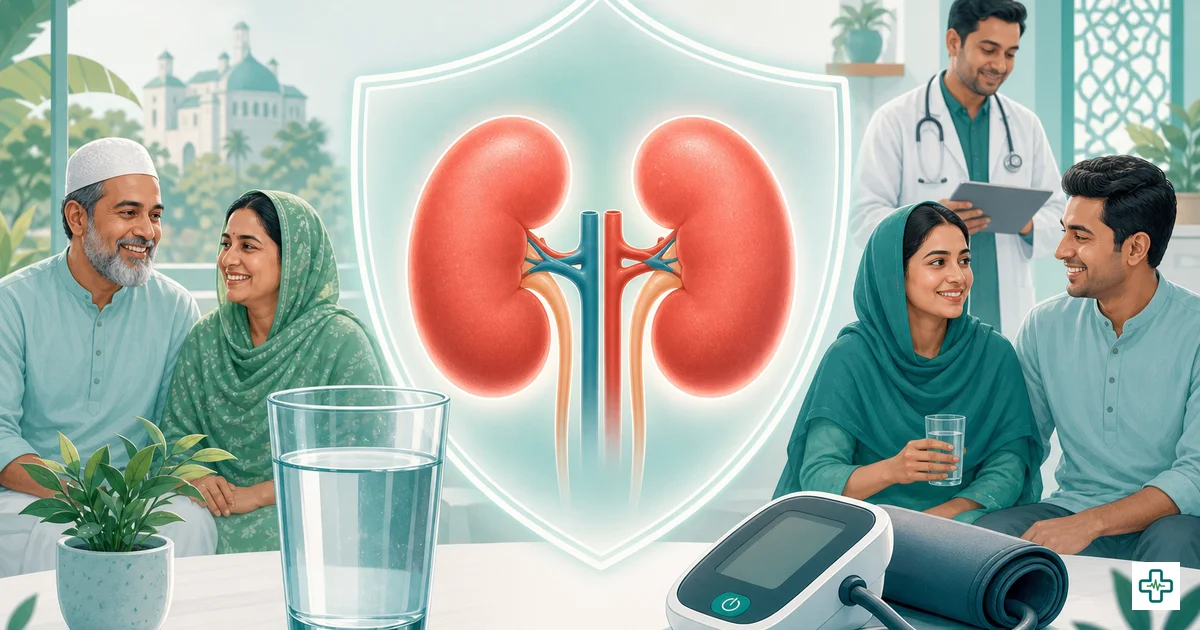
Most kidney damage can be slowed or even prevented with everyday habits, especially when you start early. Controlling diabetes and blood pressure is the foundation — our diabetes diet chart for Bangladeshi patients can help you eat smarter.
- Drink enough water through the day, unless your doctor has told you to limit fluids.
- Keep blood sugar and blood pressure within target with regular monitoring.
- Avoid unnecessary painkillers; never take regular NSAIDs from the medicine directory without a doctor's advice.
- Cut back on extra salt, ultra-processed foods and tobacco, and stay physically active.
- Get your kidney function checked at least once a year if you are in a high-risk group.
When should you see a doctor?
See a doctor promptly if you notice persistent swelling, foamy urine, blood in the urine, a sharp drop in how much you urinate, or unexplained fatigue and nausea. People with diabetes, high blood pressure or a family history of kidney disease should have yearly kidney tests even when they feel fine. If tests show reduced kidney function, book a verified doctor on ChamberBD to consult a kidney specialist (nephrologist) early, as timely care can slow the disease.
This article is for general health education and is not a substitute for professional medical advice.