Chamber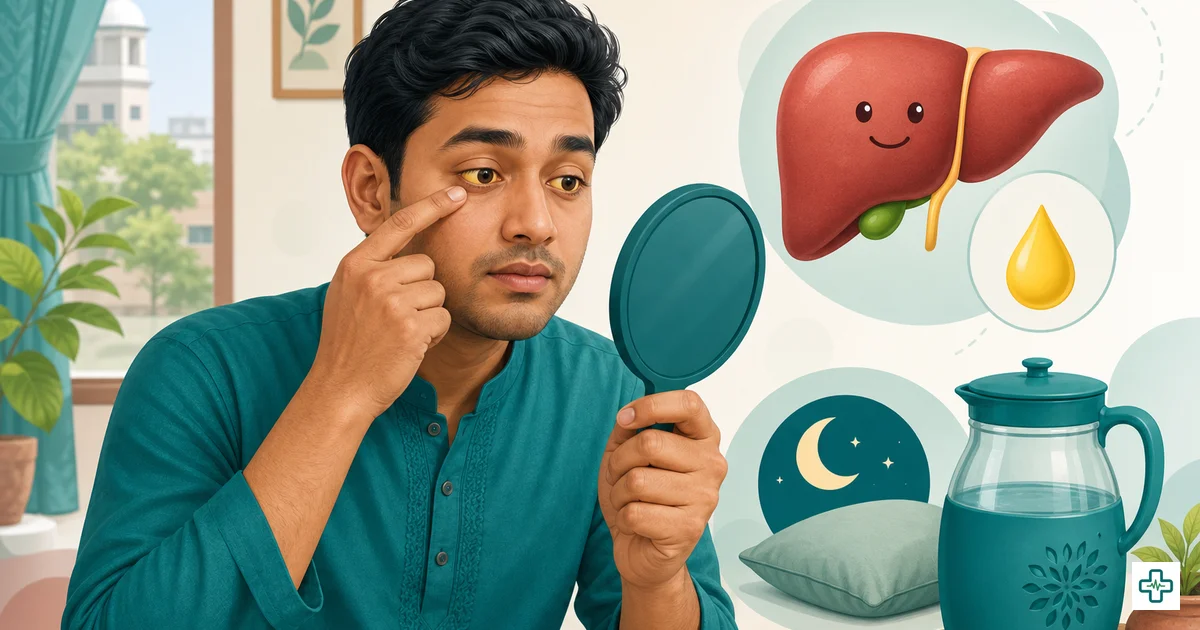
Jaundice: Causes, Types, Tests and the Truth About 'Jaundice Cures'
Yellow eyes, dark urine and a tired, 'off-colour' feeling — jaundice is something almost every Bangladeshi family has seen. It is extremely common here, and unfortunately it is also surrounded by myths, from herbal baths to thread-and-charm 'cures.' Understanding what jaundice actually is, and what genuinely helps, can prevent dangerous delays and protect your liver.
What exactly is jaundice?
Jaundice is not a disease in itself — it is a sign that something is wrong, usually with the liver. It happens when a yellow pigment called bilirubin, made when old red blood cells break down, builds up in the blood because the liver cannot clear it properly. The excess bilirubin stains the whites of the eyes and the skin yellow and turns the urine dark. Because it is a sign, the real question is always: what is causing it?
What causes jaundice in Bangladesh?
Most jaundice here comes from problems affecting the liver or the flow of bile. The common causes include:
- Hepatitis A and E — viral infections spread by unsafe water and contaminated food; very common, especially in the rainy season.
- Hepatitis B and C — spread through blood and body fluids, and a major cause of long-term liver disease.
- Gallstones blocking the bile duct.
- Chronic liver disease, including fatty liver and cirrhosis.
- Certain medicines, toxins and, in newborns, an immature liver.
Why do jhar-fuk and herbal 'cures' seem to work?
This is the most dangerous misunderstanding about jaundice. The most common cause — hepatitis A or E — usually gets better on its own over a few weeks, whatever you do. So when someone recovers after a herbal bath, thread or jhar-fuk, it looks as if the 'cure' worked, when in fact the body healed itself. The real harm is the false confidence this creates: people with serious causes like a blocked duct or hepatitis B lose precious time, and some herbal 'liver tonics' actually damage the liver further.
How is jaundice properly treated and tested?
Treatment depends entirely on the cause, so the first step is a proper diagnosis. A doctor will usually check bilirubin levels, liver function tests (LFT), viral hepatitis markers and often an ultrasound of the liver and gallbladder. For ordinary viral hepatitis, care is mostly supportive: plenty of rest, good hydration, and simple, freshly cooked, low-oil food. Crucially, avoid unnecessary 'liver tonics', herbal mixtures and over-the-counter medicines that can overload a struggling liver, strictly avoid alcohol, and never take repeated paracetamol or painkillers without medical advice.
What about newborn jaundice?
Mild yellowing in the first week of life is common because a baby's liver is still immature, and it often settles on its own. But newborn jaundice can sometimes be serious, so it should never be judged at home. Have any yellow newborn checked promptly — especially if the baby is feeding poorly, is very sleepy, or the yellowing is deep or appears within the first 24 hours.
When should you see a doctor?
See a doctor whenever jaundice appears, rather than treating it at home. Seek care urgently if there is confusion or extreme drowsiness, bleeding or easy bruising, vomiting, severe abdominal pain, very deep yellowing, or dark urine with pale, clay-coloured stools — these can signal serious liver trouble or a blockage. You can find qualified specialists through our doctor directory. Prevention is powerful too: drink safe, boiled or purified water, eat freshly cooked food, wash your hands well, and get the hepatitis B vaccination, which is safe and widely available.
This article is for general health education and is not a substitute for professional medical advice.