Chamber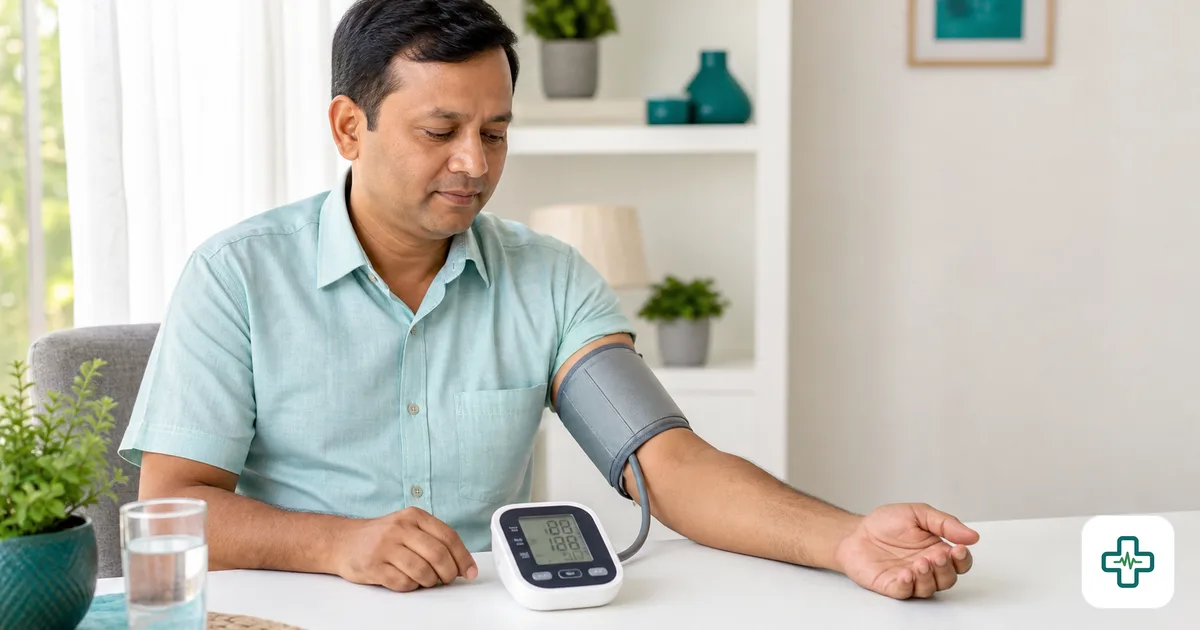
Home Blood Pressure: How to Measure It Correctly
High blood pressure, or hypertension, is common in Bangladesh and often called a "silent killer" because it usually causes no symptoms until it has already harmed the heart, kidneys, or eyes. Measuring your blood pressure correctly at home helps catch problems early and shows how well treatment is working, often more reliably than a single reading taken in a busy clinic. The key is doing it the right way, because small mistakes can give misleading numbers.
Why measure blood pressure at home?
Many people feel anxious at a clinic, which can push their reading up; this is sometimes called "white-coat" effect. Home readings, taken when you are relaxed, give a more honest picture across different days. Regular home monitoring helps your doctor decide whether you need treatment, whether your current medicine dose is right, and whether your numbers are steady. It also makes you an active partner in protecting your own health.
How do you choose a good monitor?
For home use, an automatic (digital) monitor that wraps around the upper arm is the most reliable and easiest to use correctly. Wrist and finger monitors are generally less accurate.
- Pick a validated, good-quality upper-arm digital monitor.
- Make sure the cuff size fits your arm; a cuff that is too small or too large gives wrong readings.
- Check that the batteries are working and the device is undamaged.
- Take it to your next visit so your doctor can check it against their own reading.
What is the correct way to measure?
A few simple steps make a big difference to accuracy.
- Avoid tea, coffee, smoking, and exercise for at least 30 minutes before measuring.
- Empty your bladder and sit quietly for 5 minutes first.
- Sit with your back supported and both feet flat on the floor; do not cross your legs.
- Rest your bare arm on a table so the cuff is at the level of your heart.
- Stay silent and still during the reading; talking raises the numbers.
- Take two or three readings one minute apart and record the average.
What do the numbers mean?
A blood pressure reading has two numbers, for example 120/80. The top (systolic) is the pressure when the heart beats; the bottom (diastolic) is the pressure when the heart rests. For most adults, a home reading around 120/80 is healthy, while readings consistently at or above 135/85 at home usually suggest high blood pressure that needs review. Your own target may differ if you are elderly, diabetic, or have kidney or heart disease, so always confirm your personal goal with your doctor rather than comparing with others.
How should you record and use your readings?
One single reading rarely tells the whole story; patterns over time matter most. Measure at the same times each day, such as morning and evening, for a week before a check-up. Note the date, time, both numbers, and your pulse in a simple diary or phone note. Bring this record to your appointment so your doctor can adjust treatment based on real data. If you take blood pressure medicine, take it exactly as prescribed and do not stop just because your readings improve; you can keep an organised record of your medicines with a free prescription tool and look up any prescribed drug in our medicine directory.
When should you see a doctor?
See a doctor if your home readings are repeatedly at or above 135/85, if they swing widely, or if you have headaches, blurred vision, or palpitations. Seek emergency care immediately if your reading is very high, for example 180/110 or more, especially with chest pain, severe headache, breathing difficulty, weakness on one side of the body, or slurred speech, as these may signal a stroke or heart emergency. For diagnosis and ongoing management, see a relevant specialist through our list of registered doctors, and explore more health tips on heart and lifestyle care.
Frequently Asked Questions
What time of day is best to measure blood pressure?
Measuring at the same times each day gives the most useful pattern, commonly once in the morning before medicine and food, and once in the evening. Always rest quietly for five minutes first and avoid tea, coffee, or smoking beforehand.
Are wrist blood pressure monitors accurate?
Wrist and finger monitors are generally less reliable than upper-arm devices because position strongly affects them. For home use, a validated upper-arm digital monitor with a correctly fitting cuff is recommended.
Why is my home reading different from the clinic reading?
Anxiety at a clinic can raise readings, while relaxed home readings are often lower. Differences can also come from technique, cuff size, or time of day. This is exactly why doctors value a week of careful home readings.
Can I stop my blood pressure medicine if my readings become normal?
No. Normal readings usually mean the medicine is working, not that the problem is gone. Stopping on your own can cause blood pressure to rise dangerously. Always discuss any change with your doctor first.
This article is for general health education and is not a substitute for professional medical advice; please consult a registered doctor about your own treatment.