Chamber
Heart-Healthy Living: Prevent Heart Disease Early
Heart disease has become one of the leading causes of death in Bangladesh, and it is striking people at younger ages than before. The reassuring truth is that a large share of heart attacks and strokes can be prevented by everyday choices made years earlier. You do not need expensive gadgets or extreme diets. Simple, steady habits around food, movement, smoking, and stress protect the heart powerfully, and the earlier you start, the greater the reward.
Why is heart disease rising in Bangladesh?
Several modern changes have driven the increase: more fried and fast food, larger portions of white rice and sugar, less physical activity, widespread tobacco use, and high levels of stress. High blood pressure, diabetes, and high cholesterol often build quietly for years without symptoms, gradually damaging the blood vessels that feed the heart. Because these risks are silent, prevention and regular checking matter more than waiting for warning signs.
What should a heart-healthy diet look like?
Food is one of the strongest tools you have. Small, lasting changes to a typical Bangladeshi plate make a real difference.
- Fill half your plate with vegetables and include fruit daily.
- Choose fish and pulses (dal) often, and trim visible fat and skin from meat.
- Cut back on white rice portions and add brown rice or whole grains.
- Limit fried foods, dalda, and reused cooking oil; use oil sparingly.
- Reduce extra salt and very sugary drinks and sweets.
How much exercise does the heart need?
You do not need a gym. Aim for about 30 minutes of brisk activity on most days of the week, such as fast walking, cycling, or household and farm work that raises your heart rate. Walking after meals, taking stairs, and reducing long hours of sitting all help. Even modest, regular movement lowers blood pressure, improves cholesterol, and helps control weight and blood sugar.
What about smoking, stress, and weight?
Stopping tobacco in every form, including cigarettes, bidi, and zarda, is one of the single best things you can do for your heart; the benefits begin within weeks. Chronic stress and poor sleep raise blood pressure over time, so daily rest, prayer or relaxation, and time with family are not luxuries but protection. Losing even a little excess weight, especially around the belly, reduces strain on the heart.
Why should you know your numbers?
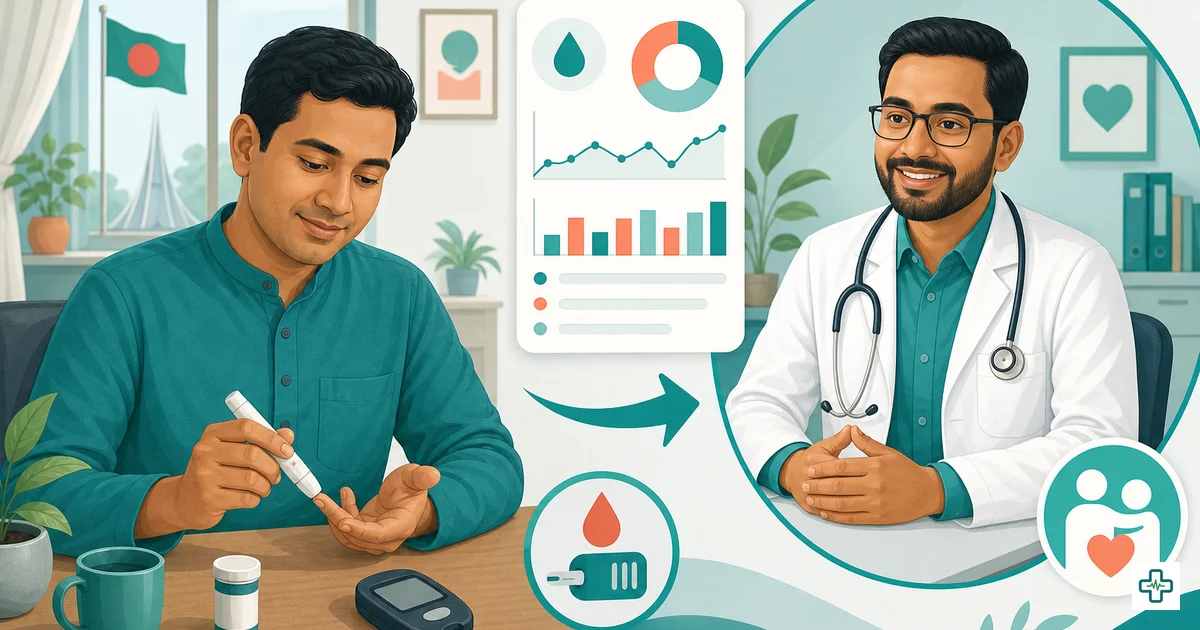
Because heart risks are often silent, the only way to catch them is to check. Adults should know their blood pressure, blood sugar, and cholesterol, and have them reviewed periodically as advised. If you have diabetes or high blood pressure, take treatment exactly as prescribed and never stop on your own. You can look up prescribed heart and pressure medicines in the medicine directory, but always follow your doctor's instructions on dose. Knowing your family history also helps your doctor judge your risk.
When should you see a doctor?
Have your blood pressure, sugar, and cholesterol checked as advised, especially if heart disease runs in your family. Seek emergency care immediately if you have chest pain or pressure, pain spreading to the arm, neck, or jaw, sudden breathlessness, cold sweat, or fainting, as these can be signs of a heart attack and every minute counts. You can find a cardiologist or physician through our see a relevant specialist directory and read more health tips on protecting your heart.
Frequently Asked Questions
At what age should I start checking my heart numbers?
Many adults benefit from knowing their blood pressure, blood sugar, and cholesterol from around their thirties, and earlier if heart disease, diabetes, or high blood pressure runs in the family. Your doctor can advise how often to recheck based on your results.
Can young people get heart disease?
Yes. In Bangladesh heart attacks are increasingly seen in people in their thirties and forties, often linked to smoking, diabetes, high blood pressure, and lifestyle. Starting healthy habits early is the best protection.
If my blood pressure feels normal, can I stop my medicine?
No. Blood pressure and many heart conditions are controlled, not cured, by medicine, and feeling fine does not mean it is safe to stop. Stopping suddenly can be dangerous. Always discuss any change with your doctor, and you can keep a record of your treatment using the free prescription tool.
Is walking really enough to protect my heart?
For most people, regular brisk walking of about 30 minutes on most days is genuinely beneficial and lowers heart risk. It does not have to be intense; consistency matters more than speed.
This article is for general health education and is not a substitute for professional medical advice.