Chamber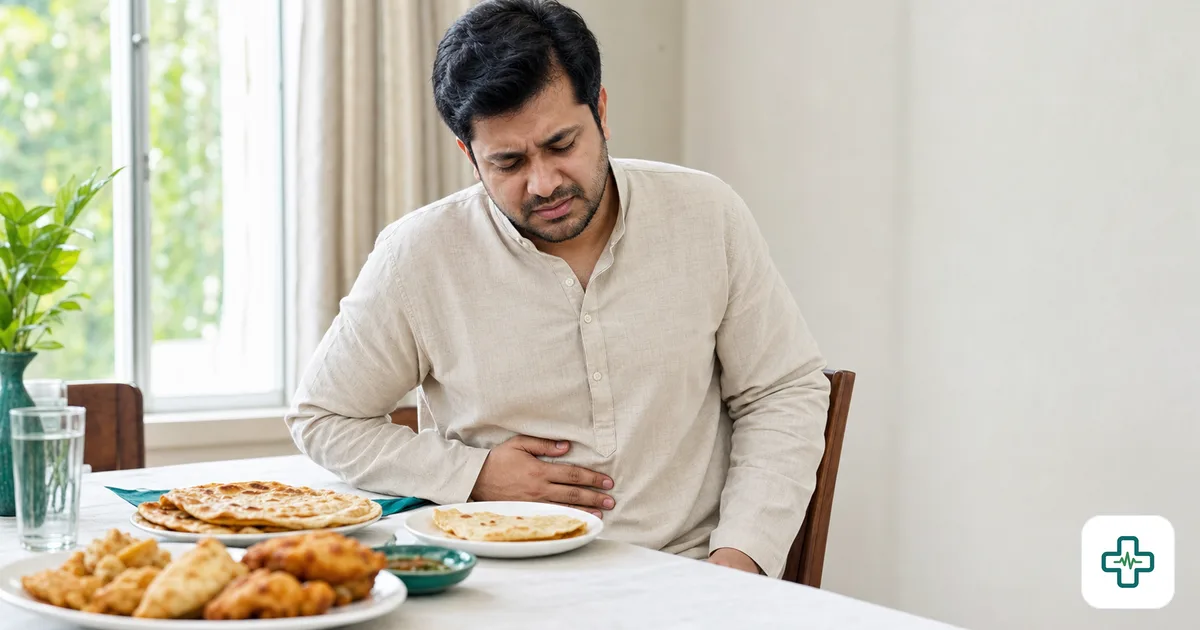
Gallstones: Symptoms, Diet and When Surgery Helps
Gallstones are very common in Bangladesh, yet many people only discover them when a sudden, gripping pain strikes after a rich, oily meal. The gallbladder is a small pouch under the liver that stores bile to help digest fat, and stones can form inside it. Many people with gallstones never have any trouble, but for others the stones cause pain or serious complications. Knowing the symptoms, easing the diet and understanding when surgery is the right answer can prevent a great deal of suffering. This article is general health information and does not replace advice from a qualified doctor.
What are gallstones?
Gallstones are hard, stone-like pieces that form in the gallbladder, usually from cholesterol or bile pigments. They can be as small as a grain of sand or as large as a marble, and a person may have one or many. Trouble begins when a stone blocks the narrow outlet of the gallbladder, trapping bile and causing pain or inflammation. Stones found by chance with no symptoms often need only watching, while those causing pain usually need treatment.
What are the symptoms and warning signs?
- Sudden, severe pain in the upper-right or upper-middle belly, often after a fatty or heavy meal.
- Pain that may spread to the right shoulder or the back between the shoulder blades.
- Nausea or vomiting with the pain.
- Bloating, belching and discomfort after oily food.
- The pain, called biliary colic, often lasts from minutes to a few hours, then eases.
Who is at risk?
Gallstones are often linked to the classic risk factors of being female, over forty, overweight and having had several pregnancies, though anyone can develop them. Diets high in fatty, fried and oily food, rapid weight loss or crash dieting, diabetes and a family history all add to the risk. Hormonal changes are one reason women are affected more often than men.
What diet adjustments help?
Diet does not dissolve stones, but it can reduce painful attacks and is sensible while you arrange treatment.
- Cut down on fatty, fried, oily and very rich foods that trigger the gallbladder to squeeze.
- Eat smaller, regular meals rather than one large heavy meal.
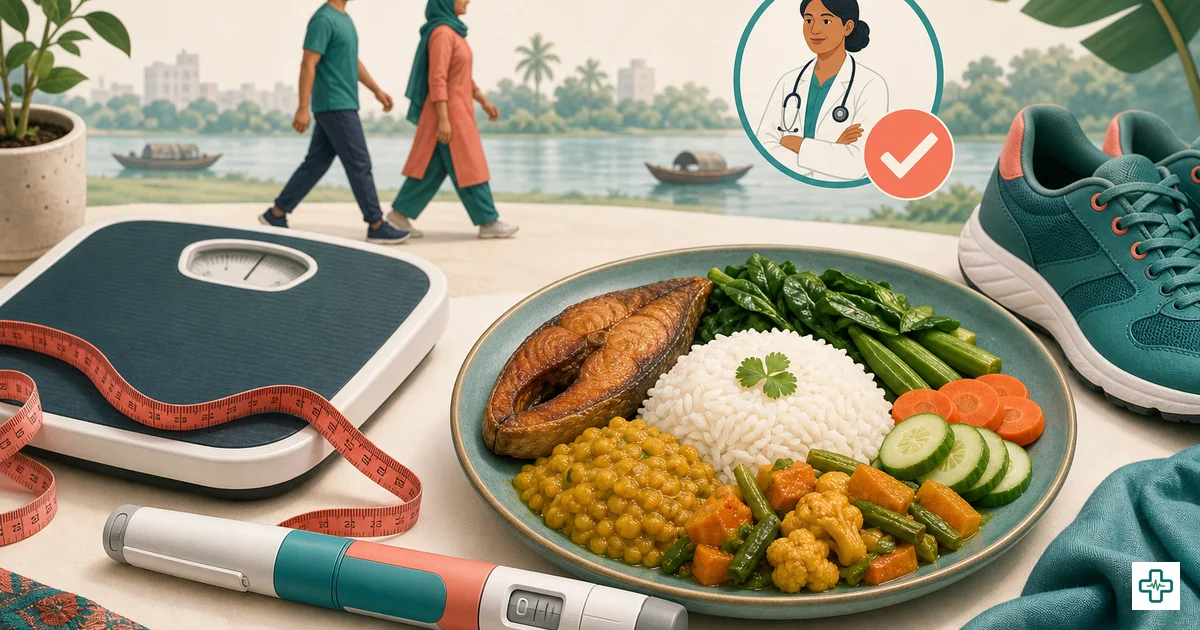
- Choose vegetables, fruit, whole grains and lean protein, and add fibre gradually.
- Lose excess weight slowly and steadily, because crash dieting can actually form new stones.
- Drink enough water through the day.
For pain relief while awaiting care, only use medicines a doctor advises. You can look up options in our medicine directory and keep instructions clear with our free prescription tool, but persistent or severe pain always needs proper assessment.
What about complications and surgery?
Gallstones can lead to serious complications: a swollen, infected gallbladder, a stone blocking the bile duct causing jaundice, or inflammation of the pancreas, all of which are emergencies. When stones cause repeated pain or any complication, the usual treatment is keyhole surgery to remove the gallbladder, a common and generally safe operation. The body digests fat well without the gallbladder. Surgery is normally avoided for silent stones found by chance that cause no symptoms.
When should you see a doctor?
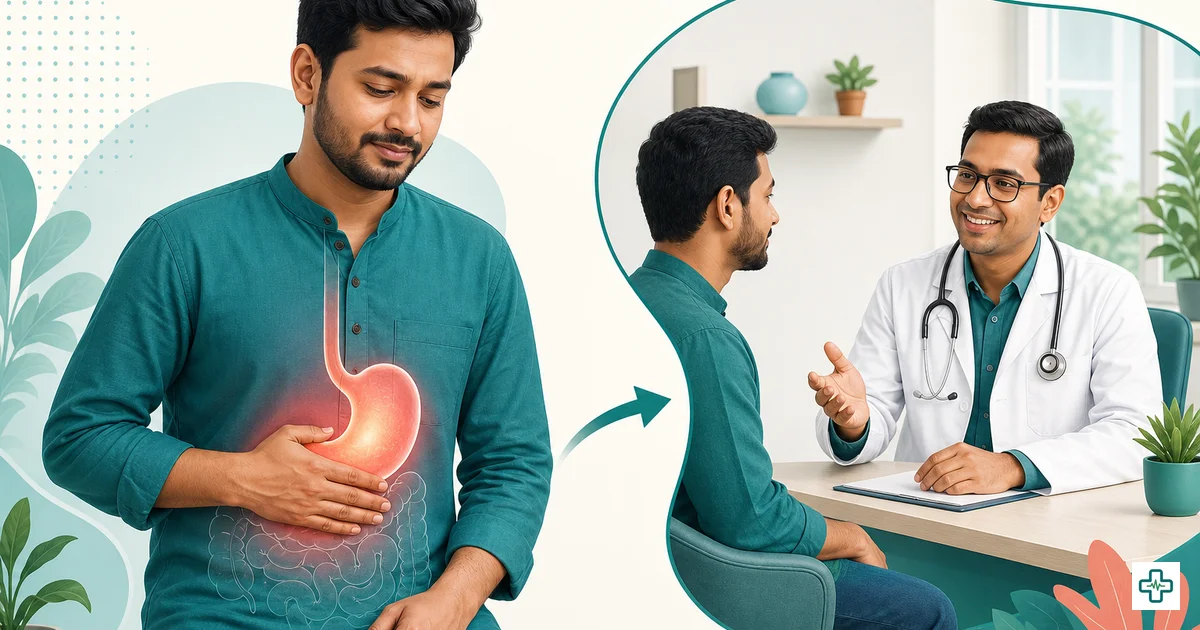
See a doctor if you get repeated belly pain after meals or have been told you have gallstones, so the right plan can be made. Seek urgent care if severe belly pain lasts more than a few hours, or comes with fever and chills, yellowing of the eyes or skin, persistent vomiting, or dark urine with pale stools, as these point to a blocked duct, infection or pancreatitis. You can see a relevant specialist such as a surgeon or gastroenterologist, and read more health tips on digestion and healthy eating.
Frequently Asked Questions
Do all gallstones need to be removed?
No. Many gallstones are silent, found by chance and never cause symptoms, and these usually only need watching. Surgery is generally advised when stones cause repeated pain or a complication, so the decision depends on your symptoms, not just the presence of stones.
Can medicine or diet dissolve gallstones?
For most people, no. Diet changes can reduce painful attacks and dissolving medicines work only in very select, limited cases and very slowly. When stones repeatedly cause trouble, removing the gallbladder is usually the definitive treatment, so do not rely on home remedies to make stones disappear.
Can I live normally without a gallbladder?
Yes. The gallbladder only stores bile; the liver still makes it, so digestion continues well after the gallbladder is removed. Most people return to a normal diet, though some prefer to keep fatty meals lighter for a while after the operation.
Is keyhole gallbladder surgery safe?
Keyhole, or laparoscopic, removal of the gallbladder is one of the most commonly performed operations and is generally safe, with a quicker recovery than open surgery. As with any operation it carries some risk, so your surgeon will explain what to expect in your case.
This article is for general health education and is not a substitute for professional medical advice.