Chamber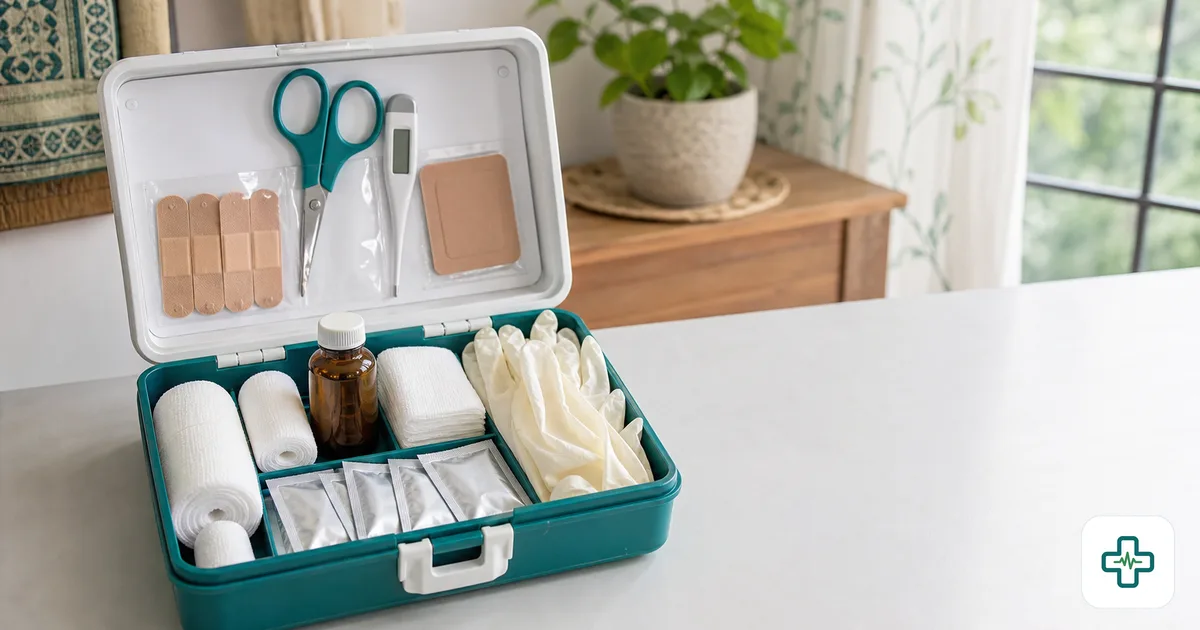
Home First-Aid Kit: Essentials Every Family Needs
Minor injuries and sudden fevers happen in every household, often at night or far from the nearest clinic. A simple, well-organised first-aid kit lets you respond calmly and safely while you decide whether you also need a doctor. In Bangladesh, where road traffic, kitchen burns, and seasonal fevers are common, every family benefits from keeping the right supplies in one clearly labelled box that everyone can find quickly.
Why does every home need a first-aid kit?
The first few minutes after a cut, burn, or fall often matter most. Having clean supplies ready means you can stop bleeding, cover a wound, or cool a burn without scrambling for items. A good kit also reduces the temptation to use unsafe home remedies. Keep it in a dry, clearly marked container, out of the reach of young children but easy for adults to grab, and make sure everyone in the family knows where it is.
What should a home first-aid kit contain?
A practical family kit does not need to be expensive. Aim to include the following.
- Sterile gauze, cotton, and a roll of bandage or crepe bandage.
- Adhesive plasters (band-aids) in a few sizes.
- An antiseptic solution such as povidone-iodine for cleaning wounds.
- Clean scissors, tweezers, and a few safety pins.
- Disposable gloves and a digital thermometer.
- Oral rehydration salts (ORS/saline) sachets for diarrhoea and dehydration.
- Paracetamol for fever and pain, which you can read about in our medicine directory.
- Any regular personal medicines, clearly labelled with the dose.
How do you use the kit for common problems?
Knowing how to use each item is as important as having it. Keep these simple steps in mind.
- Cuts and grazes: wash your hands, clean the wound with clean water or antiseptic, then cover with sterile gauze or a plaster.
- Bleeding: press firmly on the wound with clean gauze for several minutes and raise the part if possible.
- Minor burns: hold under cool running water for 20 minutes; never apply toothpaste, butter, or ice.
- Fever: check the temperature, offer fluids, and use paracetamol at the recommended dose for age and weight.
- Diarrhoea: start ORS/saline early and in small frequent sips to prevent dehydration.
What should you avoid keeping or doing?
Some habits do more harm than good. Do not stock leftover or unlabelled antibiotics, and never give antibiotics or other prescription medicines without a doctor's advice. Avoid old folk remedies such as putting lime, ash, or toothpaste on burns and wounds, as these raise the risk of infection. Check your kit every few months, replace anything expired or used up, and keep a small card with emergency contact numbers inside. A free prescription tool can help you keep a clear list of each family member's regular medicines and doses.
When should you see a doctor?
Home first aid is only the first step. See a doctor if a wound is deep, gaping, dirty, or caused by a rusty object or animal bite, as a tetanus vaccine may be needed. Seek urgent care for bleeding that will not stop, large or blistering burns, burns to the face, hands, or genitals, a high fever that lasts more than a couple of days, signs of dehydration, breathing difficulty, severe pain, or any loss of consciousness. For ongoing or worrying symptoms, see a relevant specialist through our list of registered doctors, and explore more health tips on home safety and family care.
Frequently Asked Questions
Should I keep antibiotics in my first-aid kit?
No. Antibiotics should only be taken when a doctor prescribes them for a specific infection. Keeping and using leftover antibiotics encourages resistance and can hide serious illness, so they do not belong in a general home kit.
What is the safest way to treat a minor burn at home?
Cool the burn under clean running water for about 20 minutes and cover it loosely with sterile gauze. Never apply toothpaste, butter, oil, or ice, and seek medical care for large, deep, or blistering burns.
How often should I check and restock my kit?
Review your kit every three to six months. Replace anything that is expired, used up, or damaged, and re-check supplies before the monsoon or before travel when injuries and fevers are more likely.
Is ORS really necessary in a home kit?
Yes. Diarrhoea and dehydration are common in Bangladesh, especially in children, and starting ORS/saline early can be life-saving. Keeping a few sachets ready means you can act quickly before reaching a clinic.
This article is for general health education and is not a substitute for professional medical advice; please consult a registered doctor about your own treatment.