Chamber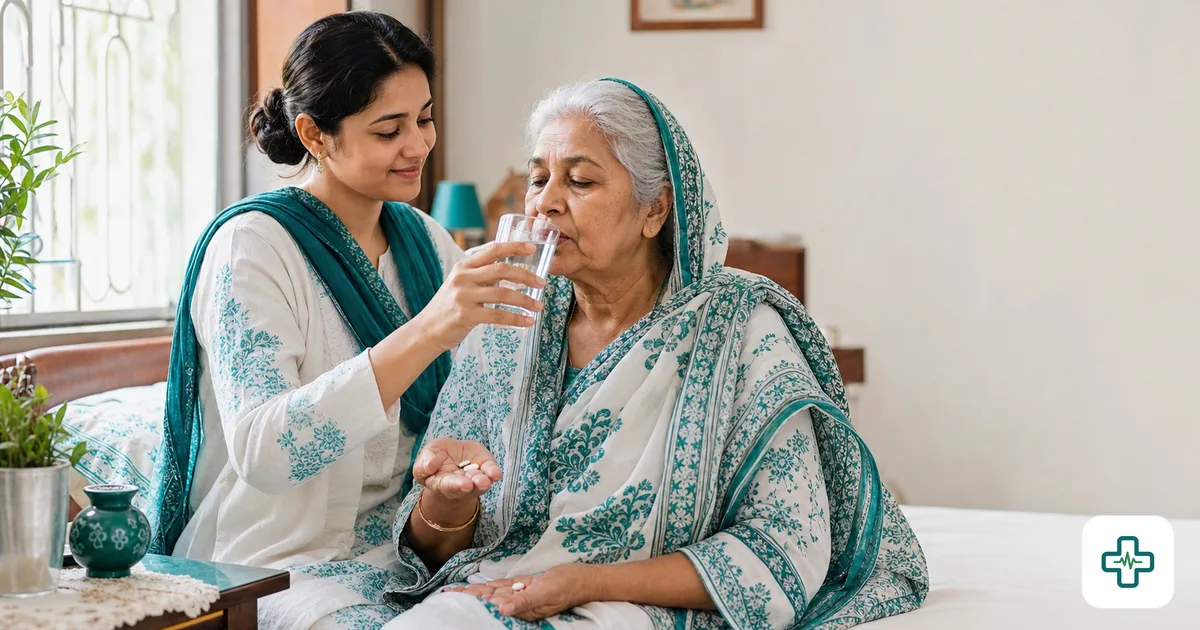
Elderly Care: Common Health Problems and Tips
In many Bangladeshi families, elderly parents and grandparents are the heart of the home, yet their changing health needs are often noticed too late. Ageing is a natural process, not a disease, but it brings real challenges such as weaker bones, failing eyesight, memory changes and several long-term conditions at once. With a little planning and attention, families can help their elders stay active, comfortable and independent for as long as possible. This guide covers the most common health problems of old age and simple, practical tips to manage them at home.
What changes happen with age?
As the body ages, muscles and bones lose strength, balance becomes less steady, and the senses of sight and hearing fade. The heart, kidneys and liver work a little less efficiently, so medicines stay in the body longer. Skin becomes thinner and heals more slowly, and the immune system weakens, making infections such as pneumonia and urinary infections more serious. Understanding these changes helps families respond with patience rather than frustration.
What are the common health problems in older adults?
Several conditions become more common after the age of sixty, and many elders live with more than one at the same time:
- High blood pressure, diabetes and heart disease.
- Arthritis and joint pain that limit movement.
- Weak bones (osteoporosis) that fracture easily after a fall.
- Poor eyesight from cataracts and hearing loss.
- Memory loss, confusion or dementia.
- Constipation, poor appetite and unintended weight loss.
- Depression, loneliness and disturbed sleep.
How can families manage medicines safely?
Older adults often take many tablets each day, which makes mistakes easy and sometimes dangerous. A few habits keep medicine use safe. Keep an up-to-date list of every medicine and dose, and bring it to each doctor visit. Use a weekly pill organiser and link doses to daily routines such as meals. Never start or stop a medicine, or share someone else's prescription, without asking a doctor, because elderly kidneys and livers handle drugs differently. You can look up any prescribed medicine, including common ones such as metformin for diabetes, in our medicine directory to understand its purpose and cautions.
What about nutrition and daily activity?
Good food and gentle movement protect both body and mind. Offer soft, easy-to-chew meals with enough protein from fish, eggs, dal, milk and chicken, plus colourful vegetables and seasonal fruit. Encourage plenty of water, as older people often feel less thirsty and become dehydrated. Sunlight in the early morning and calcium-rich foods help keep bones strong. Light daily activity, such as walking indoors, stretching or simple chair exercises, preserves strength, balance and mood. Keep the mind active too, through conversation, prayer, reading or time with grandchildren.
How can you protect mental and emotional health?
Loneliness and a sense of being a burden are common and painful for elders. Regular conversation, involving them in family decisions, and respecting their independence all protect emotional health. Watch for signs of depression such as withdrawal, loss of interest, poor sleep or talk of hopelessness, and take them seriously. Sudden confusion, on the other hand, can signal an infection or medicine problem and needs urgent medical review rather than being dismissed as old age.
When should you see a doctor?
Arrange a check-up promptly for any new or worsening symptom, and never assume that serious changes are simply part of getting old. Seek medical help for chest pain, sudden breathlessness, fainting, a fall with injury, sudden weakness or slurred speech, high fever, confusion that comes on quickly, or any wound that will not heal. Regular check-ups for blood pressure, blood sugar, eyes and hearing catch problems early. You can find a medicine specialist, cardiologist or geriatric-friendly doctor through our see a relevant specialist directory, and for keeping a tidy record of an elder's medicines you may find our free prescription tool helpful. For more guidance on family health, browse our more health tips.
Frequently Asked Questions
Is forgetfulness in old age always dementia?
No. Mild forgetfulness, such as occasionally misplacing keys, is common with age. Dementia is different and more serious, affecting daily function, judgement and familiar tasks. If memory problems are getting worse or interfering with daily life, a doctor should assess them.
How often should elderly people have a health check-up?
For most older adults a general check-up at least once or twice a year is wise, with closer monitoring if they have diabetes, heart disease or high blood pressure. Eyes, hearing and blood pressure should be checked regularly, and any new symptom should prompt a visit sooner.
My elderly parent has lost their appetite. What can help?
Offer smaller, more frequent meals that are soft and flavourful, ensure they stay hydrated, and check that medicines or constipation are not to blame. Ongoing poor appetite or weight loss should be reviewed by a doctor, as it can signal an underlying problem.
Should elderly people exercise even with joint pain?
Gentle, regular movement usually helps joints rather than harming them, but it should be suited to the person's ability. Walking, stretching and chair exercises are good options. A doctor or physiotherapist can suggest safe activities for someone with significant pain or weakness.
This article is for general health education and is not a substitute for professional medical advice; please consult a qualified doctor about your elder's specific needs.