Chamber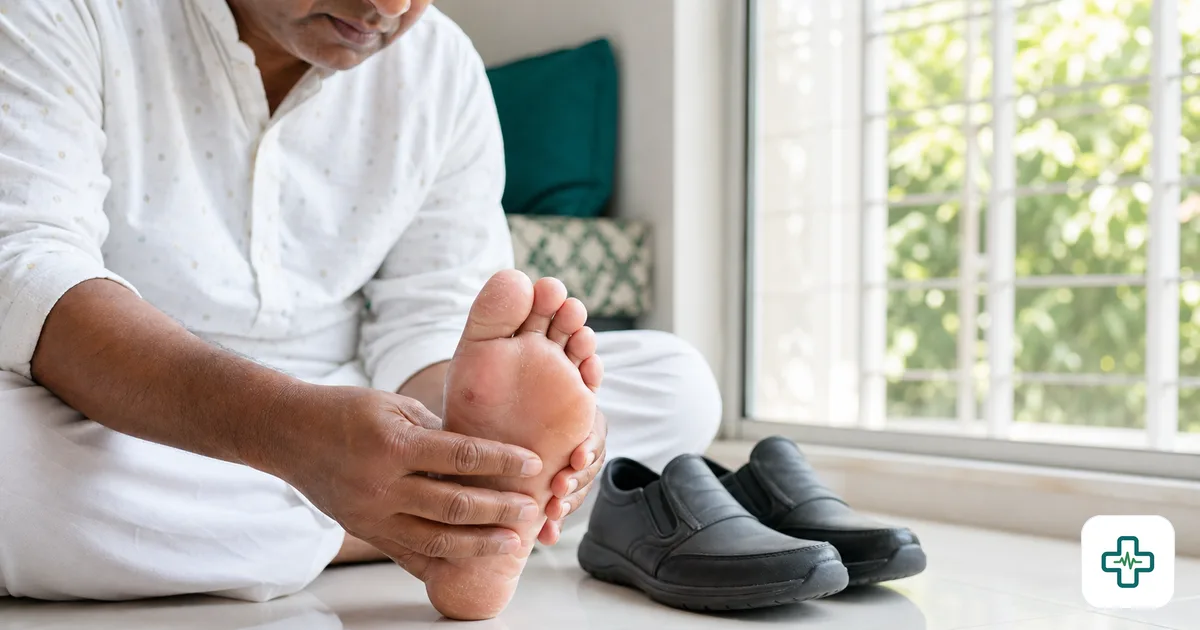
Diabetic Foot Care: Prevent Ulcers and Amputation
For people living with diabetes in Bangladesh, the feet deserve special daily attention. High blood sugar over time can damage the nerves and narrow the blood vessels in the legs, so a small blister, crack or cut may go unnoticed and heal poorly. Left unchecked, such a wound can deepen into an ulcer and, in the worst cases, lead to amputation. The reassuring news is that the great majority of these outcomes are preventable with simple, consistent habits and early action.
What is the diabetic foot?
"Diabetic foot" describes the foot problems that can arise when diabetes affects the nerves and circulation. Two changes drive most of the risk. Nerve damage, called neuropathy, reduces sensation, so pain that would normally warn you of an injury is dulled or absent. Poor blood flow means wounds get less oxygen and heal slowly, and infection sets in more easily. Together these make an ordinary cut far more dangerous than it would be for someone without diabetes.
What are the warning signs?
Check your feet for any change, however minor, because numbness can hide a problem until it is advanced.
- Numbness, tingling, burning or a "pins and needles" feeling in the feet.
- Cuts, blisters, cracks between the toes or sores that are slow to heal.
- Redness, warmth, swelling, or pus and bad smell, signs of infection.
- Hard skin, corns, calluses or changes in the shape or colour of the foot.
- Cold, pale feet or cramping pain in the legs when walking.
Why do small wounds turn serious?
In a foot with reduced sensation, a person may walk for hours on a stone, a tight sandal strap or a hot surface without feeling the damage. By the time the wound is noticed, infection and tissue loss may already be underway, and high blood sugar further slows healing while feeding bacteria. Walking barefoot, common in many households, and untreated fungal infection between the toes add to the risk. This is why daily inspection matters so much; you are looking for the injuries your nerves can no longer report.
How should you care for your feet daily?
A short daily routine protects the feet far better than occasional attention.
- Look at the soles and between the toes every day, using a mirror or asking a family member to help.
- Wash feet with lukewarm, not hot, water; always test the temperature with your hand first.
- Dry carefully between the toes and apply moisturiser to dry skin, but not between the toes.
- Cut toenails straight across and avoid cutting into the corners.
- Wear well-fitting, closed, soft footwear and never walk barefoot, even indoors.
- Keep blood sugar controlled with your prescribed treatment, such as metformin if your doctor advises it.
If you do get a small cut, clean it gently, cover it with a clean dressing, and watch it closely; do not apply random ointments or hot fomentation.
How can you prevent amputation?
Prevention comes down to good sugar control, daily foot checks, sensible footwear and treating every wound early rather than waiting. Stop smoking, which badly reduces blood flow to the feet, stay active to help circulation, and have your feet examined at each diabetes review. Never try to cut out corns or calluses yourself with blades, and treat athlete's foot and ingrown nails promptly. A doctor can review your medicines in our medicine directory and prepare a plan with our free prescription tool.
When should you see a doctor?
See a doctor without delay for any foot ulcer, a wound that is not healing, or new numbness, and do not wait for pain, which may never come. Seek urgent care if you notice spreading redness, swelling, pus, a foul smell, black skin, fever, or a foot that suddenly becomes cold and pale, as these can signal serious infection or blocked blood flow that need immediate treatment. You can find an endocrinologist, diabetes specialist or surgeon to see a relevant specialist through our list. This article is general information and is not a substitute for advice from a qualified doctor.
Frequently Asked Questions
Why should I check my feet every day if they feel fine?
Because diabetes can dull or remove the sensation of pain, a serious injury may feel completely normal. Daily checking lets you find cuts, blisters or pressure marks early, when they are easy to treat, instead of discovering them only after infection sets in.
Is it safe to walk barefoot at home?
It is best avoided. Even at home you can step on a pin, a hard object or a hot floor and not feel it. Soft, closed indoor footwear protects the feet from injuries you might otherwise miss.
Can a diabetic foot ulcer heal without amputation?
Yes. Most ulcers heal well when caught early and treated with good wound care, infection control and tight blood-sugar management. Amputation usually becomes a risk only when wounds are neglected or infection spreads, which is why early medical care is so important.
Can I cut corns and hard skin myself?
No. Cutting corns or calluses with blades or using harsh corn-removing chemicals can create wounds that are slow to heal and easily infected. Let a doctor or trained foot-care professional manage hard skin safely.