Chamber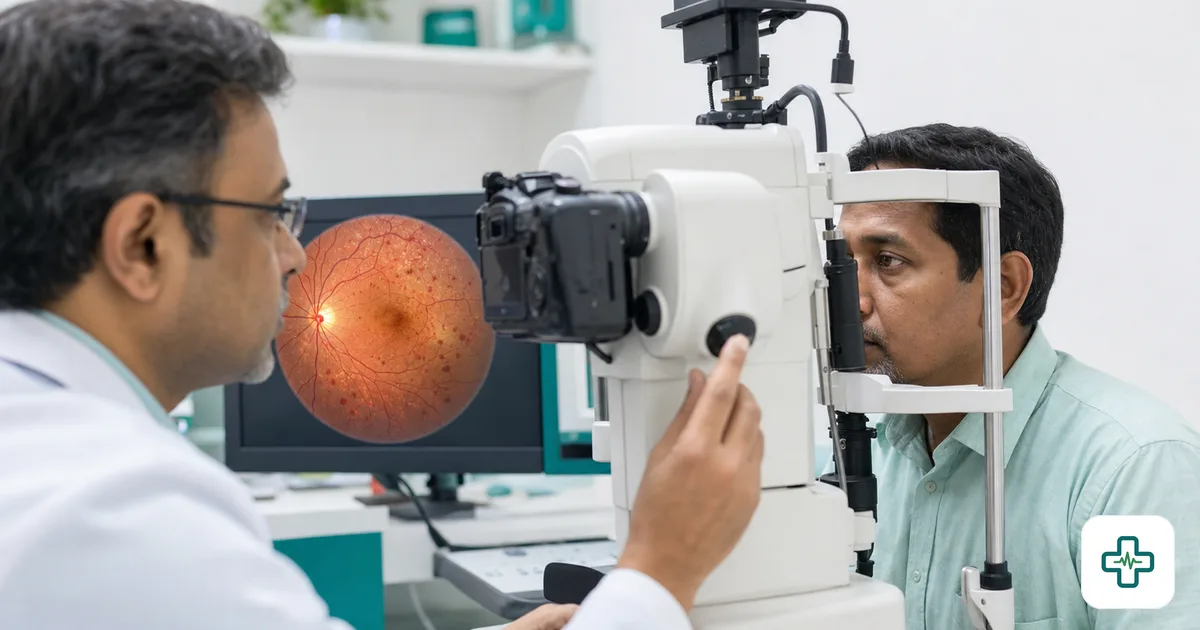
Diabetic Eye Disease: Protect Sight with Screening
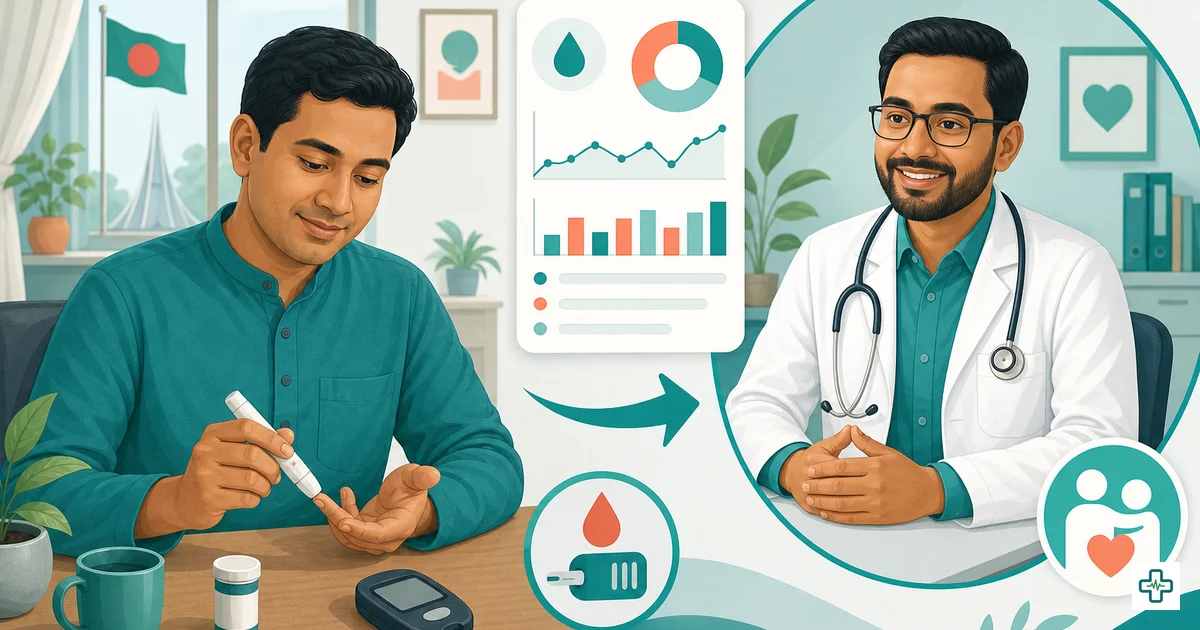
Diabetes is common across Bangladesh, and one of its most serious yet preventable complications is damage to the eyes. High blood sugar slowly harms the tiny blood vessels of the retina, the light-sensing layer at the back of the eye. This is called diabetic retinopathy, and it can lead to blindness if it is not caught in time. The encouraging part is that a simple yearly eye check and steady sugar control protect the sight of most people with diabetes. Knowing the risks helps you act before damage becomes permanent.
What is diabetic eye disease?
When blood sugar stays high over years, the delicate vessels in the retina weaken, leak fluid or blood, and may grow abnormally. Early on there are usually no symptoms at all, which is why many people are surprised to learn their eyes are already affected. Over time it can cause blurred vision, swelling at the centre of the retina, or bleeding inside the eye. Diabetes also raises the risk of cataract and glaucoma, so the whole eye needs attention.
What are the warning signs?
Because early diabetic retinopathy is silent, screening matters more than waiting for symptoms. As it advances you may notice:
- Blurred or fluctuating vision.
- Dark spots, floaters or cobweb-like shapes drifting across your view.
- Difficulty seeing at night or distinguishing colours.
- A dark or empty area in the centre of your sight.
- Sudden loss of vision in one eye, which is an emergency.
Why does yearly screening matter?
Most early damage can only be seen by a doctor examining the back of the eye with the pupil widened. By the time vision blurs, the disease is often advanced and harder to treat. A yearly dilated eye check finds problems while they are still treatable and can prevent the majority of severe vision loss. Everyone with type 2 diabetes should have an eye exam at diagnosis, and people with type 1 within five years, then at least once a year. Pregnant women with diabetes need closer checks. Read more health tips on managing diabetes alongside your eye care.
How can you protect your vision?
Good daily control does more for your eyes than any single treatment. Practical steps include:
- Keep blood sugar within your target range and check it as advised.
- Control blood pressure and cholesterol, which also harm retinal vessels.
- Take medicines regularly; you can confirm a drug such as metformin in our medicine directory.
- Stop smoking, eat balanced meals and stay active.
- Never skip your yearly eye appointment, even when sight feels fine.
If your doctor prescribes treatment, you can keep an organised record using the free prescription tool. Advanced retinopathy is treated with laser, injections inside the eye, or surgery, all of which work best when started early.
When should you see a doctor?
See an eye specialist for your routine yearly check, or sooner if you notice blurred vision, floaters or fading colours. Seek urgent care for sudden vision loss, a shower of new floaters, flashes of light, or a curtain spreading across your sight, as these can signal bleeding or retinal detachment that threatens sight quickly. You can find a qualified eye specialist through our list of registered doctors. This article is for general health education and is not a substitute for professional medical advice; please consult a doctor about your own care.
Frequently Asked Questions
If my vision is fine, do I still need an eye check?
Yes. Early diabetic retinopathy usually causes no symptoms, so good vision does not mean healthy eyes. A yearly dilated exam finds hidden damage while it can still be treated.
Can controlling my blood sugar reverse the damage?
Good control can slow or halt further damage and is the most important step, but changes that have already occurred may not fully reverse. This is why early detection matters so much.
How often should a person with diabetes get an eye exam?
At least once a year for most people, or more often if your doctor finds changes or if you are pregnant. Type 2 patients should be checked at diagnosis and type 1 within five years.
Is diabetic eye disease the same as needing new glasses?
No. New glasses correct focus, but diabetic retinopathy is damage to the retina itself. It cannot be fixed with spectacles and needs proper eye examination and treatment.