Chamber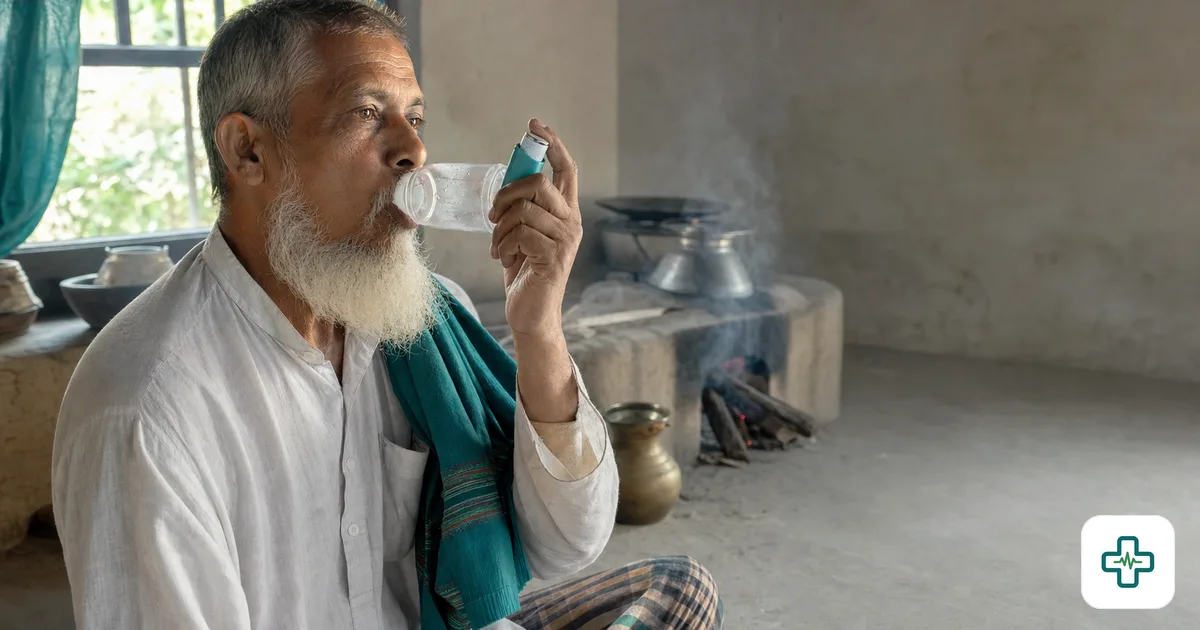
COPD: Breathing Disease, Causes and Daily Care
Chronic Obstructive Pulmonary Disease, or COPD, is a long-term lung condition that quietly steals a person's breath over many years. In Bangladesh it is common not only among smokers but also among women and older people exposed for decades to smoke from wood and dung cooking fires. The disease cannot be fully cured, but with the right care most people can breathe easier, stay active and avoid dangerous flare-ups. The single most powerful step is removing the smoke. This article is general health information and does not replace advice from a qualified doctor.
What is COPD?
COPD is an umbrella term for chronic bronchitis and emphysema, in which the airways become inflamed and narrowed and the tiny air sacs of the lungs are damaged. Air gets trapped, so breathing out becomes hard and the lungs cannot take in enough fresh oxygen. Unlike asthma, the narrowing in COPD is largely fixed and tends to worsen slowly over years, especially if the smoke exposure continues. It usually appears after the age of forty.
What are the symptoms and warning signs?
- A long-lasting cough, often with phlegm, that many wrongly accept as a normal "smoker's cough."
- Breathlessness, at first only on exertion such as climbing stairs, later even at rest.
- Wheezing or a whistling sound in the chest.
- A tight chest and frequent chest infections, especially in winter.
- Tiredness and, in advanced disease, weight loss.
What causes COPD in Bangladesh?
Tobacco smoke is the leading cause worldwide, including cigarettes, bidis and the hookah. But in Bangladeshi homes, biomass smoke from cooking with wood, crop residue or dung in poorly ventilated kitchens is a major and often overlooked cause, which is why many non-smoking women develop the disease. Long-term exposure to dust, industrial fumes and heavy outdoor air pollution adds further risk. Repeated childhood lung infections can also leave the lungs more vulnerable.
How is COPD managed day to day?
COPD care aims to ease symptoms, prevent flare-ups and keep you active. Inhalers are the mainstay, opening the airways and reducing inflammation; using them correctly, often with a spacer, matters more than the dose.
- Quit smoking completely and switch to clean cooking fuel or a well-ventilated, smokeless stove.
- Use prescribed inhalers regularly, exactly as advised, even on good days.
- Stay gently active with daily walking and simple breathing exercises.
- Take the seasonal flu and pneumonia vaccines if your doctor recommends them.
- Eat well and treat chest infections early before they become severe.
Never adjust or stop your inhalers on your own. You can look up your prescribed inhalers in our medicine directory and keep instructions clear for the family with our free prescription tool.
How can you slow it down and prevent flare-ups?
A COPD flare-up, or exacerbation, is a sudden worsening of cough, phlegm and breathlessness, often triggered by a chest infection, cold weather or smoke. Quitting smoke is the only thing proven to slow the long-term decline. Avoid crowded smoky places, cover your nose and mouth on cold or dusty days, keep the kitchen ventilated, and act quickly if your phlegm turns yellow-green or your breathing suddenly worsens.
When should you see a doctor?
See a doctor if you have a cough lasting more than a few weeks, get breathless doing things that used to be easy, or have repeated chest infections, so the diagnosis can be confirmed with a simple breathing test. Seek emergency care at once if breathlessness makes it hard to speak, the lips or fingertips turn blue, you feel confused or very drowsy, or a reliever inhaler is not helping. These signal a severe flare-up where every minute counts. You can see a relevant specialist such as a chest physician, and read more health tips on quitting smoking and winter lung care.
Frequently Asked Questions
Can COPD be cured?
COPD cannot be fully cured because the lung damage is permanent, but it can be controlled well. Stopping smoke, using inhalers correctly and treating flare-ups early can ease symptoms, slow the decline and let most people stay active for years.
I never smoked, so how did I get COPD?
Many Bangladeshi women and older adults develop COPD from years of breathing wood, crop-residue or dung cooking smoke in poorly ventilated kitchens. Long-term dust, fumes and outdoor air pollution can also damage the lungs, so non-smokers are not fully protected.
Are inhalers safe to use every day?
Yes. Inhalers are the safest first-line treatment for COPD because the medicine goes straight to the lungs in tiny doses with few side effects. They are not addictive, and using them daily as prescribed is what keeps breathing steady and prevents flare-ups.
Will quitting smoking still help if I already have COPD?
Absolutely. Quitting at any stage is the single most effective step, because it is the only thing proven to slow the long-term loss of lung function. Breathing, cough and energy often improve within weeks, and the risk of severe flare-ups falls.
This article is for general health education and is not a substitute for professional medical advice.