Chamber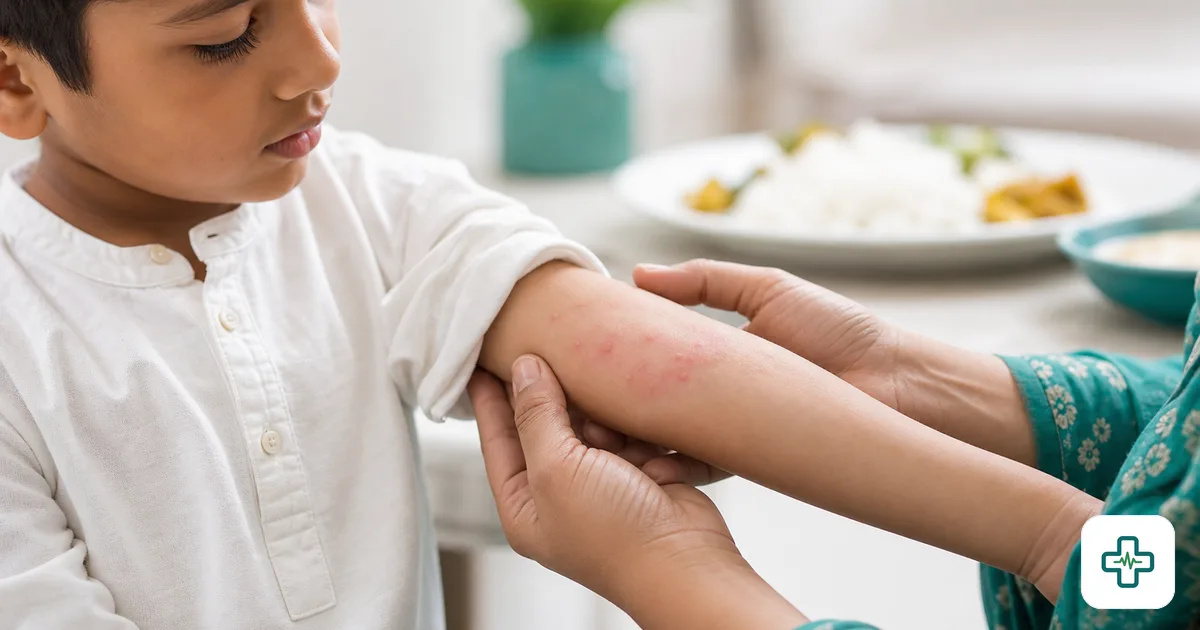
Child Food Allergy: Symptoms and Safe Management
Food allergy happens when a child's immune system mistakenly treats a harmless food as a threat and reacts against it. Many parents in Bangladesh confuse it with simple food intolerance or a passing tummy upset, but a true allergy can range from a mild rash to a serious, fast reaction. The good news is that most food allergies can be managed safely once the trigger is known. Learning the warning signs and how to respond gives families confidence at every meal.
What is a food allergy?
A food allergy is an immune reaction that usually appears within minutes to a couple of hours of eating a particular food. It is different from food intolerance, which mainly causes digestive discomfort without involving the immune system. Allergies can be mild or severe, and a child who has had a mild reaction can sometimes have a stronger one later, which is why every reaction deserves attention.
Common trigger foods
Most childhood food allergies come from a small group of foods. In Bangladeshi homes, common triggers include:
- Cow's milk and dairy products.
- Eggs.
- Peanuts and tree nuts.
- Fish and shellfish such as prawns.
- Soy and wheat in some children.
Symptoms and warning signs
Reactions can affect the skin, gut, or breathing. Watch for:
- Itchy red rash, hives, or swelling of the lips, face, or eyes.
- Vomiting, stomach pain, or sudden diarrhoea after a food.
- Runny nose, sneezing, or itchy, watery eyes.
- Coughing, wheezing, or noisy breathing in more serious cases.
A severe, whole-body reaction called anaphylaxis is a medical emergency. Signs include difficulty breathing, swelling of the tongue or throat, a hoarse voice, sudden floppiness or collapse, and pale or bluish skin. This needs emergency care without any delay.
How to manage food allergy at home
Once a trigger is identified, careful avoidance is the foundation of management:
- Strictly avoid the known trigger food and anything that contains it.
- Read labels and ask about ingredients in cooked or restaurant food.
- Tell relatives, school, and caregivers about your child's allergy.
- For mild itching or rash, a doctor may advise an antihistamine; you can read about medicines in our medicine directory, but use only what a doctor prescribes for your child.
- If your doctor prescribes an emergency adrenaline auto-injector for severe allergy, keep it with the child and learn how to use it.
Introducing new foods safely
You do not need to delay common foods out of fear, as introducing them at the right age can actually help. Offer one new food at a time, in a small amount, and wait two to three days before adding another, so any reaction is easy to trace. Start new foods earlier in the day rather than at night, and avoid trying a brand-new food when your child is already unwell. If there is a strong family history of allergy, discuss the plan with your doctor first.
When should you see a doctor?
See a doctor to confirm a suspected food allergy and to make a clear plan. Seek emergency care immediately for any sign of anaphylaxis:
- Difficulty breathing, wheezing, or a tight, hoarse voice.
- Swelling of the tongue, throat, or lips that is spreading fast.
- Sudden weakness, collapse, or pale, bluish skin.
- Vomiting with a widespread rash right after eating.
For diagnosis and ongoing care you can see a relevant specialist such as a paediatrician or allergist, keep an allergy and medicine record with our free prescription tool, and find more practical advice in our more health tips section.
Frequently Asked Questions
What is the difference between food allergy and food intolerance?
A food allergy involves the immune system and can cause rash, swelling, or breathing problems, sometimes severe. Food intolerance mainly causes digestive upset like gas or loose stools and is not life-threatening. A doctor can help tell them apart.
Will my child outgrow a food allergy?
Many children outgrow allergies to milk, egg, wheat, and soy as they get older, while peanut, tree nut, and seafood allergies more often persist. Your doctor can advise whether and when it is safe to retest.
Should I delay giving allergenic foods to prevent allergy?
Usually no. Current advice is to introduce common foods at the appropriate age rather than delaying them, as this may lower allergy risk. If your child is high-risk, plan the introduction with your doctor.
What should I do during a mild allergic reaction?
Stop the food, watch your child closely, and follow any plan your doctor has given, which may include an antihistamine. If breathing or swelling worsens at any point, treat it as an emergency and seek urgent care.
This article is for general health education only and is not a substitute for professional medical advice; please consult a qualified doctor for your child.