Chamber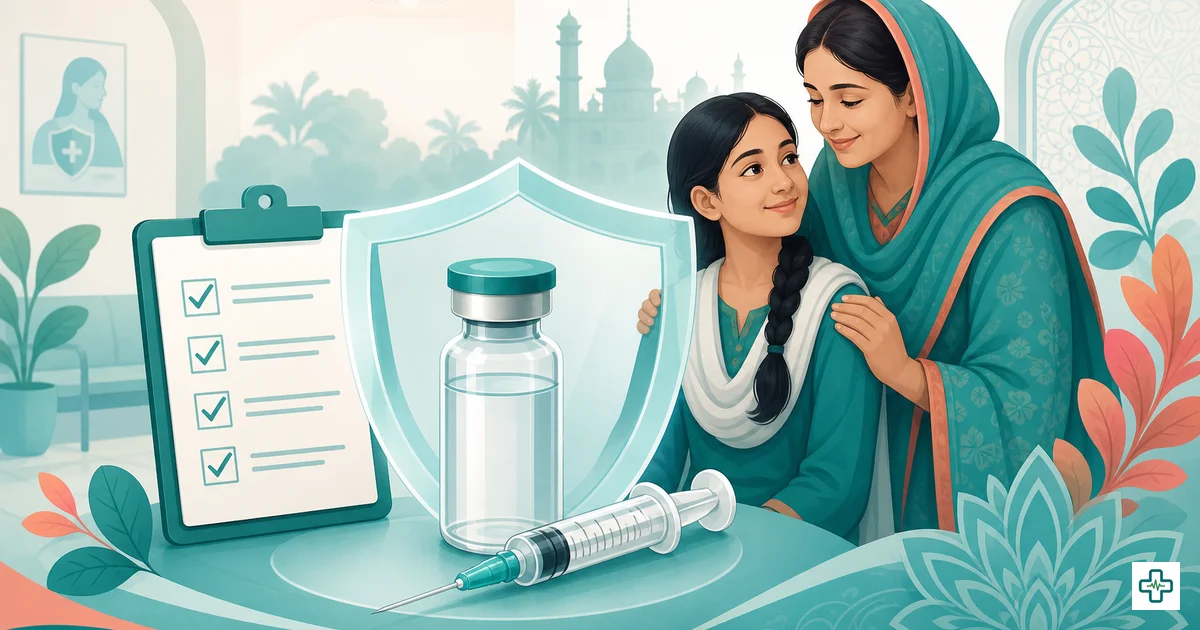
Cervical Cancer: HPV Vaccine, Screening and Prevention
Cervical cancer — cancer of the mouth of the uterus — is one of the leading cancer killers of women in Bangladesh, taking thousands of lives every year. The tragedy is that it is also one of the most preventable cancers in the world: a safe vaccine, a five-minute screening test and timely treatment can stop it long before it becomes deadly. Yet shyness, lack of information and the habit of putting the family first keep many women from these simple protections. Here is what every family should know.
What causes cervical cancer?
Almost all cervical cancers are caused by the human papillomavirus (HPV), an extremely common virus that spreads through intimate physical contact — most adults encounter it at some point in life. In most women the body clears the virus on its own, but in some, certain high-risk HPV types stay silently in the cervix and slowly turn cells abnormal over 10 to 15 years. That long, slow change is exactly why vaccination and screening work so well: there is plenty of time to prevent or catch the disease before it becomes cancer.
Who should get the HPV vaccine?
The HPV vaccine works best when given before exposure to the virus, so it is recommended for girls of roughly 10 to 14 years of age. Bangladesh has included the HPV vaccine in its national immunisation program, offering it free to school-age girls through campaigns — ask your school, civil surgeon office or local EPI centre about the current schedule. The vaccine has been used in millions of girls worldwide and is safe and effective.
Many parents hesitate because of rumours, so let us be clear: the HPV vaccine does not affect fertility or future pregnancy, it does not encourage any behaviour, and vaccinating a daughter is simply protecting her from a future cancer — just like any other childhood vaccine. Women older than the campaign age can discuss catch-up vaccination with a doctor.
Screening: the VIA test and Pap smear
Because the vaccine does not cover every HPV type, adult women still need screening. In Bangladesh, the government offers the simple VIA test (visual inspection with acetic acid) free of charge at upazila health complexes, district hospitals and many medical college hospitals. Married or sexually active women aged 30 to 60 are advised to be screened regularly — commonly about every three years, or as their doctor recommends. A Pap smear is an alternative available at many private facilities. The test takes only minutes, is done by trained female providers in privacy, and can detect pre-cancerous changes that are easily treatable — often in a single visit.
Which symptoms should never be ignored?
Early cervical cancer often causes no symptoms at all, which is why screening matters even when you feel completely well. When symptoms do appear, the important ones are abnormal bleeding — between periods, after intercourse, or any bleeding after menopause — and a persistent foul-smelling vaginal discharge. Later signs include pelvic or lower back pain and pain during intercourse. None of these automatically means cancer, but each one needs a proper examination without delay.
How can husbands and families help?
In our society, a woman often needs her family's encouragement — and sometimes permission — to seek care, so men are a vital part of prevention. Husbands should treat screening as routine health care, not something shameful: remind your wife when she turns 30, arrange the visit, accompany her and support vaccination for your daughters. Mothers-in-law and elder women can normalise the conversation at home. A few minutes of support can quite literally save a life, because cervical cancer found early — or caught at the pre-cancer stage — is very often curable.
When should you see a doctor?
See a doctor promptly if any abnormal bleeding or discharge appears, and do not let embarrassment delay the visit — doctors examine such problems every day, and female gynaecologists are widely available. If you are a woman over 30 who has never been screened, book a VIA or Pap test even though you feel fine. You can find a gynaecologist near you on ChamberBD and choose a female doctor if that feels more comfortable.
- Bleeding between periods, after intercourse, or any bleeding after menopause
- Foul-smelling or blood-stained vaginal discharge that persists
- Pelvic pain, lower back pain or pain during intercourse
- Heavier or longer periods than usual without explanation
- Age 30+ and never screened — book a VIA or Pap test now
This article is for general health education and is not a substitute for professional medical advice.