Chamber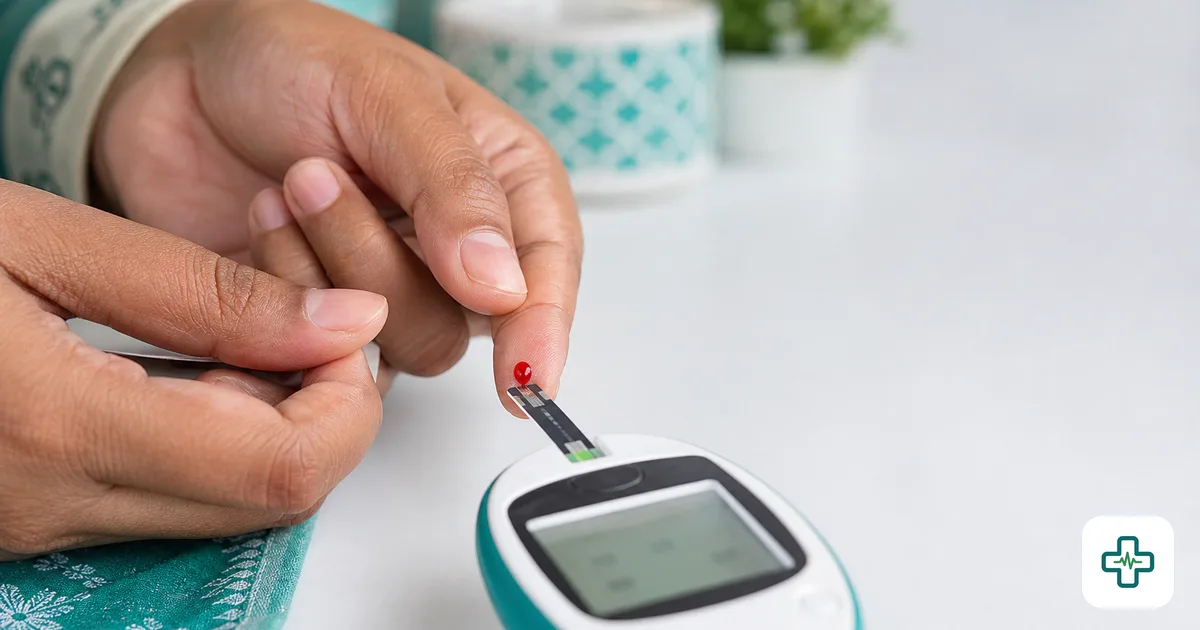
Blood Sugar Testing at Home: Glucometer Guide
Diabetes is rising fast in Bangladesh, and checking blood sugar at home with a glucometer is one of the most useful tools for staying in control. A small drop of blood gives a reading in seconds, helping you see how food, activity, and medicine affect you day to day. Used correctly, home testing prevents both dangerously high and dangerously low sugar, and it gives your doctor real information to guide treatment.
What is a glucometer and why test at home?
A glucometer is a small handheld device that measures the amount of glucose (sugar) in a drop of blood from your fingertip. Testing at home helps you understand your own patterns, avoid emergencies, and judge whether your diet and medicines are working. It is especially important for people on insulin or certain tablets that can cause low sugar. Regular home readings also make your clinic visits more useful, because you arrive with real data instead of guesswork.
How do you test correctly, step by step?
Good technique gives accurate, trustworthy numbers.
- Wash your hands with soap and warm water, then dry them well; do not use spirit on the fingertip if you can wash.
- Insert a fresh test strip and check that the code or batch matches the meter.
- Prick the side of a fingertip with a fresh lancet, which hurts less than the centre.
- Gently apply the drop of blood to the strip without squeezing hard.
- Wait for the reading and record it with the date, time, and whether it was fasting or after a meal.
- Dispose of the lancet safely and never share lancets or the device with anyone.
What are the target readings?
Targets are usually given in mmol/L in Bangladesh. For many adults with diabetes, a fasting reading of about 4 to 7 mmol/L and a reading under about 10 mmol/L two hours after a meal are common goals. Your personal targets may be different depending on your age, type of diabetes, pregnancy, or other illnesses, so always confirm your own numbers with your doctor. The aim is steady control, not a single perfect reading.
When should you test?
How often you test depends on your treatment, but useful times include first thing in the morning before eating (fasting), and two hours after a main meal. People on insulin may need to test more often, including before driving or exercise. Testing more frequently is also wise during illness, fasting in Ramadan, or when your medicine has recently changed. If you take diabetes medicine, take it exactly as advised and look up any prescribed tablet such as metformin in our medicine directory rather than changing doses on your own.
What do high and low readings mean?
A high reading (hyperglycaemia) may cause excessive thirst, frequent urination, tiredness, and blurred vision, and very high sugar with vomiting or rapid breathing needs urgent care. A low reading (hypoglycaemia), often below about 4 mmol/L, can cause sweating, shaking, hunger, confusion, or dizziness and must be treated quickly.
- For a low reading, take fast sugar such as glucose, fruit juice, or a few sweets, then recheck after 15 minutes.
- Follow up with a small snack once you feel better.
- Keep an organised record of readings and medicines, which a free prescription tool can help with.
When should you see a doctor?
See a doctor if your readings are often above or below your target, if you have frequent lows, or if you notice increasing thirst, weight loss, numbness in the feet, or slow-healing wounds. Seek emergency care immediately for a very high reading with vomiting, drowsiness, or rapid breathing, or for a low that does not improve after taking sugar, or any loss of consciousness or fit. For diagnosis and ongoing diabetes care, see a relevant specialist through our list of registered doctors, and explore more health tips on living well with diabetes.
Frequently Asked Questions
Does it hurt to test blood sugar at home?
Modern lancets cause only a brief, minor prick, especially if you use the side of the fingertip and a fresh lancet each time. Most people find it very tolerable once they get used to the routine.
Should I test before or after eating?
Both can be useful. A fasting test before breakfast shows your baseline, while a test about two hours after a meal shows how your body handled that food. Your doctor will advise which times matter most for you.
Why are my home readings different from the lab?
Home glucometers can vary slightly from laboratory results because of technique, strip quality, or timing. Small differences are normal. Bring your meter to a check-up occasionally so it can be compared with a lab test.
Can I reuse a lancet or test strip?
No. Reusing strips gives wrong readings, and reusing or sharing lancets risks infection and more pain. Always use a fresh strip and lancet, and never share your device with others.
This article is for general health education and is not a substitute for professional medical advice; please consult a registered doctor about your own treatment.