Chamber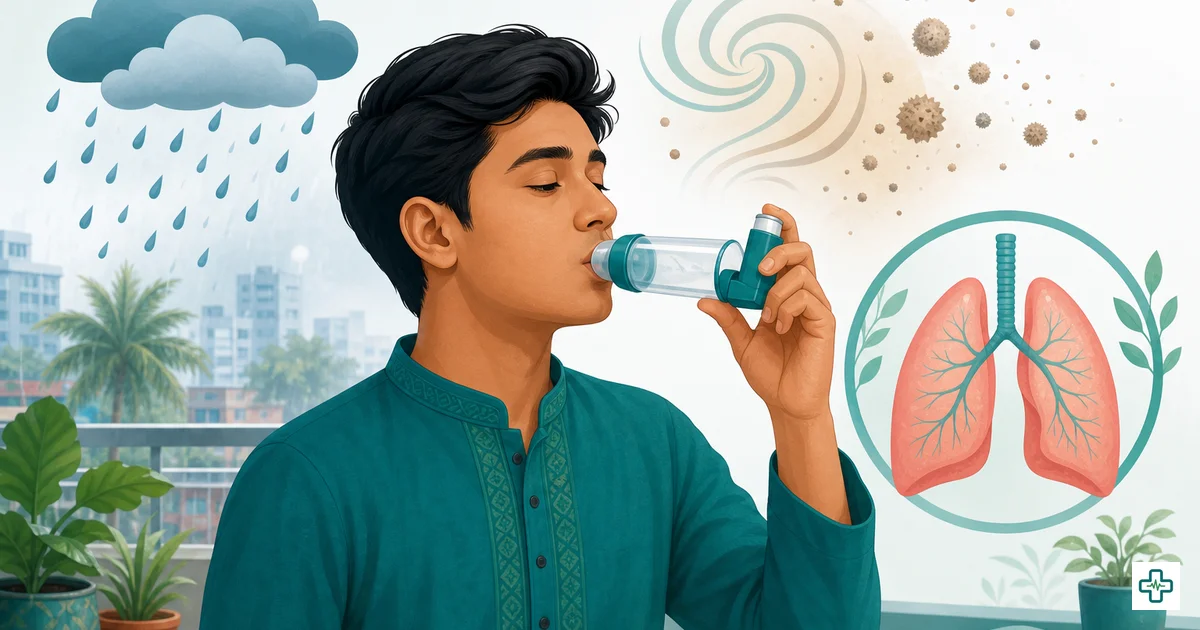
Asthma: Monsoon Care, Inhaler Myths and Long-Term Control
Asthma affects millions of people across Bangladesh, and many families know too well the sound of a child wheezing at night during the monsoon or the cool of winter. Yet myths about inhalers and unfinished treatment leave many people gasping when safe relief is within reach. Understanding what asthma is, what triggers it, and how to use an inhaler correctly can completely change daily life. With proper treatment, almost everyone with asthma can live a full, active life.
What is asthma and why does it flare in the monsoon?
Asthma is a long-term condition in which the airways become inflamed and narrow, causing wheezing, coughing, chest tightness and breathlessness. In Bangladesh, the monsoon and winter months are especially hard because damp air encourages mould, dust mites multiply, and pollen and cold air irritate sensitive airways. Flare-ups are not a sign of weakness; they are a signal that the airways need better protection. Asthma can begin in childhood or appear for the first time in adults, and it affects both genders.
Is using an inhaler an addiction or a last resort?
No. This is the most damaging myth about asthma. Inhalers are not addictive and are not something to save for emergencies only. They are the first-line, safest treatment because the medicine goes straight to the lungs in tiny doses, with far fewer side effects than syrups or tablets. Delaying inhaler use out of fear is what actually makes asthma dangerous.
Controller and reliever inhalers: what is the difference?
Most people with asthma need to understand two kinds of inhalers. A reliever (often blue) opens the airways quickly during an attack. A controller (preventer) is used every day to reduce the underlying inflammation, even when you feel well. If you find yourself reaching for your reliever very often, it usually means your controller treatment needs review.
Using a spacer device with your inhaler helps the medicine reach the lungs instead of the back of the throat. Children and older adults especially benefit from a spacer, and your doctor or pharmacist can demonstrate the correct technique.
How can you reduce triggers at home?
Avoiding triggers is half the battle. Small changes in a Bangladeshi household can dramatically cut flare-ups.
- Avoid burning mosquito coils and incense indoors; use nets or plug-in alternatives.
- Keep bedding clean and sun-dry mattresses to control dust mites.
- Wipe away damp and mould on walls during the rainy season.
- Stay away from cigarette smoke, kitchen smoke and strong perfumes.
- Cover your nose and mouth with a scarf on cold or dusty days.
What does a good asthma action plan look like?
An asthma action plan is a simple written guide from your doctor telling you which inhaler to use daily, what to do when symptoms worsen, and when to seek emergency help. Keep your reliever inhaler with you at all times, know your warning signs, and never stop your controller just because you feel better. Regular follow-up keeps asthma quietly under control. Share your plan with your family so they know what to do during a sudden attack.
When should you see a doctor?
See a doctor promptly if you are using your reliever inhaler more than twice a week, waking at night with cough or wheeze, or finding daily activities harder. Seek emergency care immediately if breathlessness makes it hard to speak in full sentences, the lips or fingertips turn blue, the reliever inhaler is not helping, or the chest is pulling in with each breath. These are signs of a severe attack and every minute counts. You can find qualified specialists through our list of registered doctors, and you can check your prescribed inhalers in the medicine directory rather than relying on casual advice.
This article is for general health education and is not a substitute for professional medical advice.