Chamber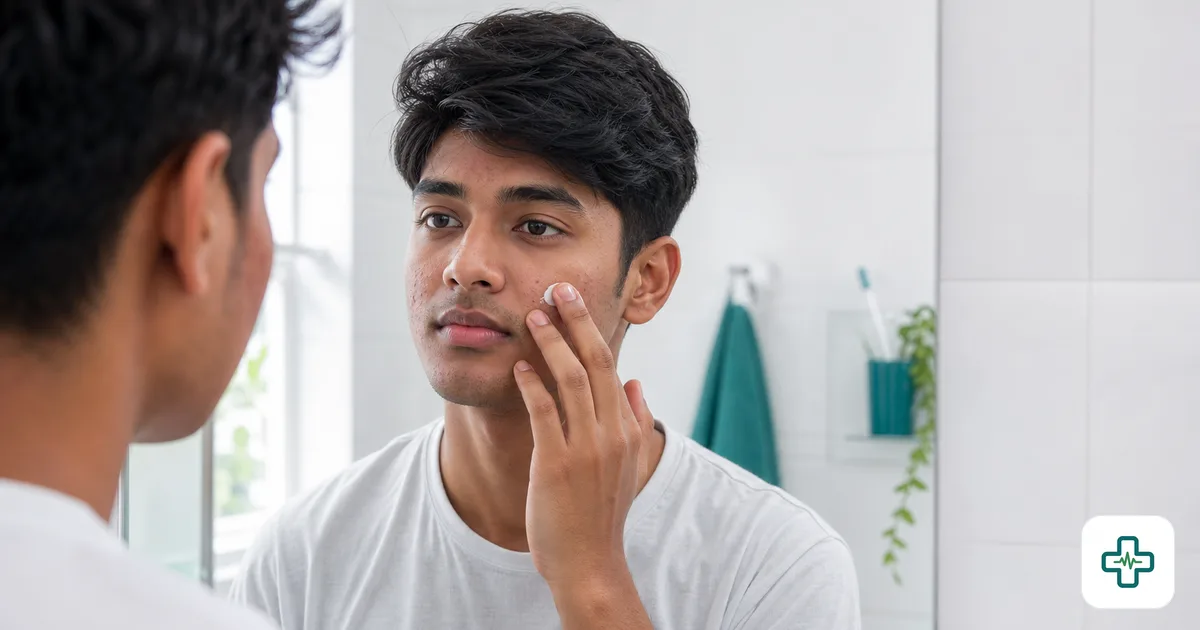
Acne and Pimples: Causes, Treatment and Skincare
Acne is the most common skin problem of the teenage years, and it often continues into adult life. In Bangladesh, the hot and humid weather, sweat and dust can make it worse, and many people make it harder to treat by scrubbing too hard or using harsh home remedies. Acne is not a sign of being unclean, and it is very treatable. Understanding what causes pimples and following a gentle, steady routine usually brings clear improvement and helps prevent the scarring that worries people most.
What causes acne?
Acne starts deep in the skin where tiny oil glands sit beside hair follicles. When these glands produce too much oil and dead skin cells block the pore, a plug forms. Normal skin bacteria then multiply inside, causing redness, swelling and pus. The main driver is hormones, which is why acne peaks in the teenage years, before periods, and during times of stress. A family history of acne also matters. Importantly, it is mostly an internal process, not a result of dirt on the surface.
What are the common types and signs?
Acne can appear in several forms, often together:
- Blackheads and whiteheads, the small clogged pores.
- Red, tender pimples (papules and pustules).
- Deeper, painful lumps (nodules and cysts) that are more likely to scar.
- It commonly affects the face, but also the chest, back and shoulders.
Do food and hygiene cause pimples?
Several popular beliefs are myths. Chocolate and oily food do not directly cause acne for most people, though some find sugary and high-dairy diets make it slightly worse. Acne is not caused by a dirty face, and washing many times a day or scrubbing hard actually irritates the skin and worsens breakouts. Squeezing or popping pimples pushes infection deeper and is the most common cause of permanent scars. Gentle care beats aggressive treatment every time.
What is a simple skincare routine and which treatments help?
A calm, consistent routine works better than frequent product changes:
- Wash twice daily with a mild cleanser and lukewarm water; pat dry, do not scrub.
- Use a light, oil-free (non-comedogenic) moisturiser even on oily skin.
- Apply a non-greasy sunscreen during the day.
- Avoid heavy oils and thick make-up that block pores.
Helpful over-the-counter options include benzoyl peroxide and salicylic acid, which unclog pores and reduce bacteria; start once daily as they can dry the skin. For stubborn acne, a doctor may prescribe topical retinoids or antibiotics. You can check any product in the medicine directory before using it, and look at our more health tips for general skin care.
When should you see a doctor?
See a doctor, ideally a dermatologist, if your acne is severe or widespread, if you have painful deep cysts, if it is leaving scars or dark marks, or if over-the-counter products have not helped after two to three months. Sudden severe acne with irregular periods or excess facial hair in women should also be checked, as it may signal a hormonal condition. You can find a registered skin specialist through our list to see a relevant specialist. Avoid unbranded steroid creams sold for fairness or quick results, as these damage the skin; a doctor can prescribe safe treatment and use the free prescription tool for clear instructions.
This article is for general health education and is not a substitute for professional medical advice; please consult a doctor about your own situation.
Frequently Asked Questions
Does eating oily food or chocolate cause pimples?
For most people, no. Acne is driven mainly by hormones and clogged oil glands. A few people notice that very sugary or high-dairy diets worsen it slightly, but oily food does not directly cause acne.
Should I pop or squeeze my pimples?
No. Squeezing pushes infection deeper and is the leading cause of permanent scars and dark marks. Leave pimples alone and treat them with a gentle routine and suitable products instead.
How long does acne treatment take to work?
Most treatments need 6 to 12 weeks of consistent use before clear improvement shows. Acne can briefly worsen at first, so patience is important. If nothing helps after a few months, see a doctor.
Are fairness or steroid creams safe for acne?
No. Unprescribed steroid and fairness creams can thin the skin, cause more breakouts and lasting damage. Use only products advised by a doctor or proven over-the-counter ingredients like benzoyl peroxide.