
Generic
Sodium Valproate
Brand medicines containing Sodium Valproate available in Bangladesh — compare prices, strengths and manufacturers.
Sodium Valproate brands in Bangladesh
Showing 1–24 of 48 medicines
Convules 200 mg Tablet
Sodium Valproate
Opsonin Pharma Limited
Convules 300 mg Tablet
Sodium Valproate
Opsonin Pharma Limited
Convules 500 mg Tablet
Sodium Valproate
Opsonin Pharma Limited
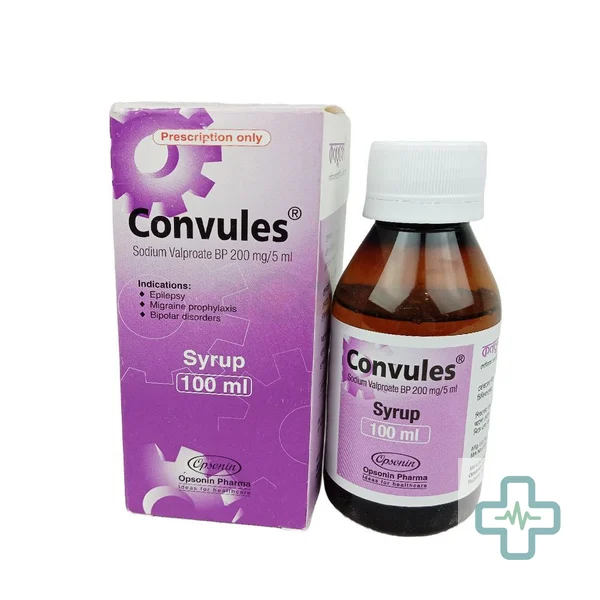
Convules 200 mg/5 ml Syrup
Sodium Valproate
Opsonin Pharma Limited
Encorate 500 mg Tablet
Sodium Valproate
Sun Pharmaceutical (Bangladesh) Ltd.
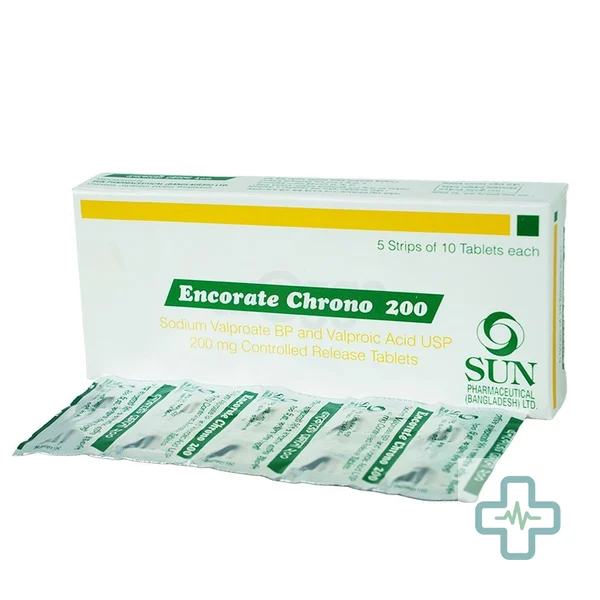
Encorate Chrono 200 mg Tablet
Sodium Valproate
Sun Pharmaceutical (Bangladesh) Ltd.
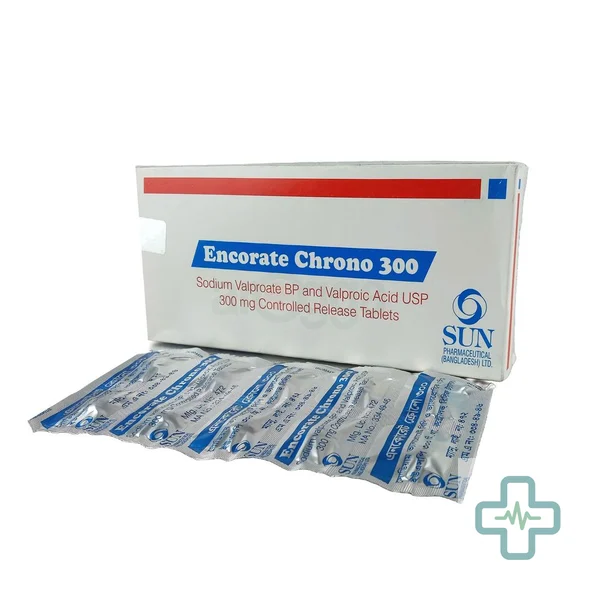
Encorate Chrono 300 mg Tablet
Sodium Valproate
Sun Pharmaceuticals (EZ) Ltd., Narayanganj
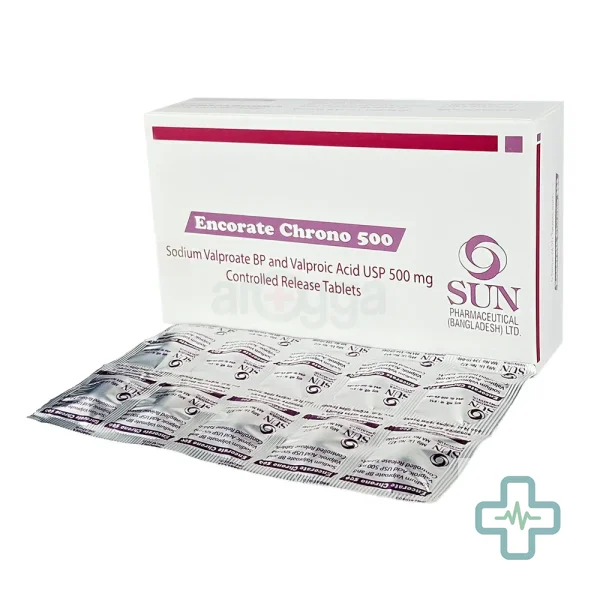
Encorate Chrono 500 mg Tablet
Sodium Valproate
Sun Pharmaceuticals (EZ) Ltd., Narayanganj
Encorte Chrono 200 mg Tablet
Sodium Valproate
Sun Pharmaceuticals (EZ) Ltd., Narayanganj
Epilin 200 mg Tablet
Sodium Valproate
Synovia Pharma PLC.
Epilin 300 mg Tablet
Sodium Valproate
Synovia Pharma PLC.
Epival 200 mg Tablet
Sodium Valproate
Albion Laboratories Ltd.
Epival Chrono 300 CR Tablet
Sodium Valproate
Albion Laboratories Ltd.
Epival Chrono 500 CR Tablet
Sodium Valproate
Albion Laboratories Ltd.
Eval 250 mg/5 ml Syrup
Sodium Valproate
Unimed Unihealth Pharmaceuticals Ltd.
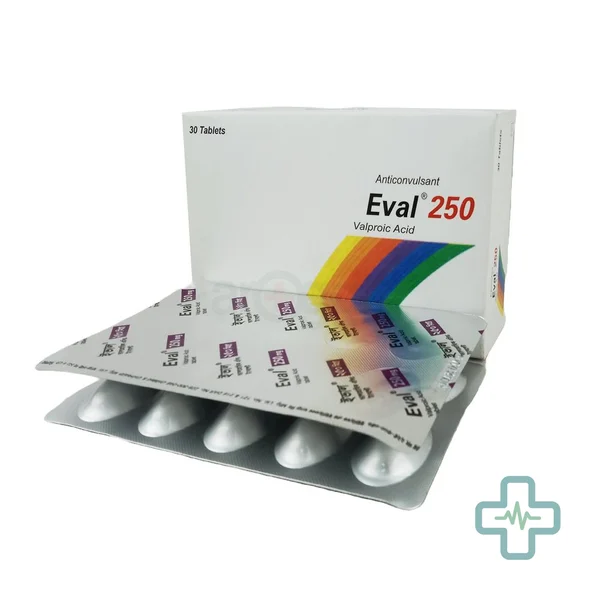
Eval 250 mg Tablet
Sodium Valproate
Unimed Unihealth Pharmaceuticals Ltd.
Eval-CR 200 mg Tablet
Sodium Valproate
Unimed Unihealth Pharmaceuticals Ltd.
Eval-CR 300 mg Tablet
Sodium Valproate
Unimed Unihealth Pharmaceuticals Ltd.
Eval-CR 500 mg Tablet
Sodium Valproate
Unimed Unihealth Pharmaceuticals Ltd.
Nalipsy 200 mg Tablet
Sodium Valproate
Drug International Ltd., Gopalpur
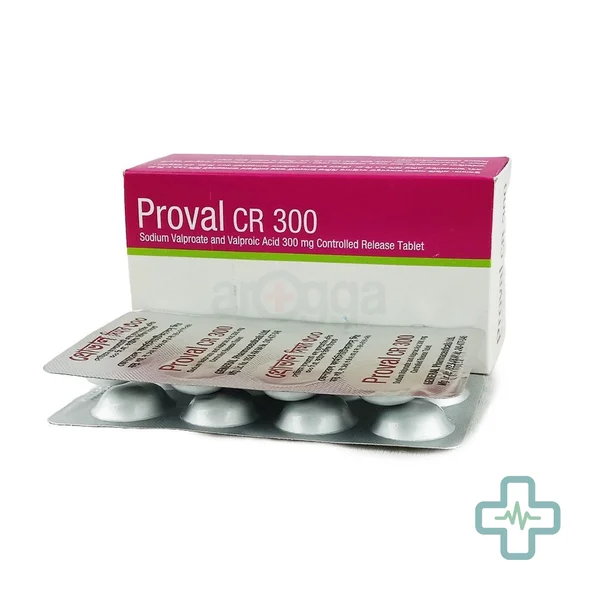
Proval CR 300 mg Tablet
Sodium Valproate
General Pharmaceuticals Ltd.
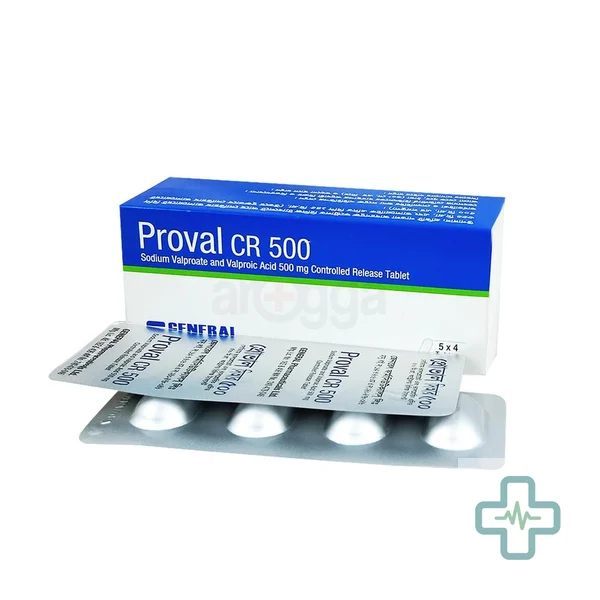
Proval CR 500 mg Tablet
Sodium Valproate
General Pharmaceuticals Ltd.
Sodival 200 mg Tablet
Sodium Valproate
Advanced Chemical Industries Limited
Sodival 200 mg/5 ml Syrup
Sodium Valproate
Advanced Chemical Industries Limited
All Sodium Valproate brands (48)
- Convules 200 mg Tablet
- Convules 200 mg/5 ml Syrup
- Convules 300 mg Tablet
- Convules 500 mg Tablet
- Encorate 500 mg Tablet
- Encorate Chrono 200 mg Tablet
- Encorate Chrono 300 mg Tablet
- Encorate Chrono 500 mg Tablet
- Encorte Chrono 200 mg Tablet
- Epilin 200 mg Tablet
- Epilin 300 mg Tablet
- Epival 200 mg Tablet
- Epival Chrono 300 CR Tablet
- Epival Chrono 500 CR Tablet
- Eval 250 mg Tablet
- Eval 250 mg/5 ml Syrup
- Eval-CR 200 mg Tablet
- Eval-CR 300 mg Tablet
- Eval-CR 500 mg Tablet
- Nalipsy 200 mg Tablet
- Proval CR 300 mg Tablet
- Proval CR 500 mg Tablet
- Sodival 200 mg Tablet
- Sodival 200 mg/5 ml Syrup
- Sodival CR 300 mg Tablet
- Sodival CR 500 mg Tablet
- Soval 200 mg Tablet
- Soval 200 mg/5 ml Syrup
- Valepi 200 mg Tablet
- Valex 200 mg/5 ml Syrup
- Valex 300 mg Tablet
- Valex 400 IV Injection 400 mg/4 ml
- Valex 500 mg Tablet
- Valex 500 mg/5 ml Injection
- Valoate 200 mg Tablet
- Valoate 200 mg/5 ml Syrup
- Valoate 300 mg Tablet
- Valoate 500 mg Tablet
- Valporin 200 mg Tablet
- Valporin 200 mg/5 ml Syrup
- Valporin CR 300 Tablet
- Valporin CR 500 Tablet
- Valpro 200 mg Tablet
- Valpro 200 mg/5 ml Syrup
- Valpro Plus 500 mg Tablet
- Vapo 200 mg Tablet
- Vaset 200 mg Tablet
- Vaset 200 mg/5 ml Syrup
What is Sodium Valproate?
Sodium Valproate is a anticonvulsant / mood stabiliser medicine available in Bangladesh under many brand names. Below are its uses, side effects and precautions — and every brand with its current price.
What is Sodium Valproate used for?
Doctors prescribe Sodium Valproate for:
- Epilepsy — generalised seizures (including tonic-clonic and absence seizures), myoclonic seizures and many focal seizures, in adults and children
- Bipolar disorder — treatment of manic episodes and long-term mood stabilisation
- Migraine prevention in selected patients, at the specialist's discretion
Treatment is usually long-term and must be planned by a neurologist or psychiatrist. For women and girls who could become pregnant, Sodium Valproate is used only when no other treatment works, and always with a specialist pregnancy-prevention plan.
Side Effects
Common side effects of Sodium Valproate:
- Nausea, stomach pain, diarrhoea — usually early and settling with food
- Weight gain and increased appetite
- Tremor of the hands
- Drowsiness, dizziness
- Hair thinning (usually temporary; hair may regrow curlier)
- Irregular periods in some women; raised ammonia causing confusion in rare cases
Seek medical help urgently for: persistent vomiting with extreme tiredness, loss of appetite or yellowing of eyes (possible liver damage, highest risk in the first 6 months); severe abdominal pain (pancreatitis); unusual bruising or bleeding (low platelets); or worsening confusion.
Precautions & Warnings
Key precautions with Sodium Valproate:
- Pregnancy warning: women and girls who could become pregnant must use effective contraception and be under a specialist's pregnancy-prevention programme. Tell your doctor immediately if you plan pregnancy or your period is late.
- Liver monitoring: liver function tests before starting and periodically during the first 6 months; report vomiting, tiredness or jaundice at once.
- Never stop suddenly — risk of severe rebound seizures; taper only under medical supervision.
- Avoid alcohol; it increases drowsiness and liver strain.
- Driving: be cautious until seizures are well controlled and drowsiness has passed — and follow local rules about driving with epilepsy.
- Tell your doctor about any liver disease, metabolic disorders, kidney problems or bleeding tendency; report mood changes or self-harm thoughts.
Drug Interactions
Tell your doctor about every medicine. Important interactions with Sodium Valproate:
- Lamotrigine — valproate raises its level, increasing the risk of serious skin rash; doses must be specialist-adjusted.
- Carbamazepine, phenytoin, phenobarbital — complex two-way interactions; levels may need monitoring.
- Carbapenem antibiotics (meropenem, imipenem) — rapidly lower valproate levels and can let seizures return; combination should be avoided.
- Aspirin and warfarin — increased bleeding tendency and altered valproate levels.
- Other sedatives and alcohol — additive drowsiness.
- Valproate can raise the levels of some antidepressants and antipsychotics.
Contraindications
Sodium Valproate must not be used in:
- Allergy to Sodium Valproate or valproic acid
- Active liver disease or a personal/family history of severe drug-induced liver problems
- Urea cycle disorders and mitochondrial disorders caused by POLG gene mutations
- Known or suspected pregnancy in bipolar disorder, and in epilepsy during pregnancy unless no other treatment is possible
- Porphyria
In women of childbearing age it may only be used within a specialist-supervised pregnancy-prevention programme when other treatments have failed.
Pregnancy & Lactation
Pregnancy — major warning: Sodium Valproate taken in pregnancy causes birth defects in about 10% of babies (including spina bifida) and developmental and learning problems in up to 30–40%. Women and girls who could become pregnant must use reliable contraception and be reviewed regularly by a specialist; if you wish to have a baby, the treatment plan must be changed before conception. Never stop Sodium Valproate suddenly on discovering a pregnancy — uncontrolled seizures also endanger mother and baby. Contact your specialist the same day.
Breastfeeding: small amounts pass into breast milk; breastfeeding is often possible with specialist agreement, watching the baby for unusual sleepiness, poor feeding or bruising.
Storage
Store Sodium Valproate below 30°C in a dry place, protected from light and moisture — valproate preparations absorb moisture easily, so keep tablets in their original blister until use. Keep strictly out of the reach of children. Do not use after the expiry date, and return unused medicine to a pharmacy rather than discarding it in household waste.
Frequently asked questions about Sodium Valproate
I could become pregnant — can I take Sodium Valproate?
Only as a last resort, and never casually. Valproate causes birth defects in about 1 in 10 exposed babies and developmental problems in up to 3–4 in 10, so for women and girls who could become pregnant it is used only when no other medicine controls the condition — and always with effective contraception and regular specialist review. If you are on Sodium Valproate and want a baby, see your specialist before trying to conceive so the treatment can be switched safely. Never stop it suddenly by yourself.
General information about Sodium Valproate, written from a shared template for every medicine with this ingredient by the ChamberBD content team. This page has not been individually reviewed by a clinician and does not replace a doctor's advice — always follow your doctor's prescription.