
Generic
Sertraline
Brand medicines containing Sertraline available in Bangladesh — compare prices, strengths and manufacturers.
Sertraline brands in Bangladesh
Showing 1–24 of 56 medicines
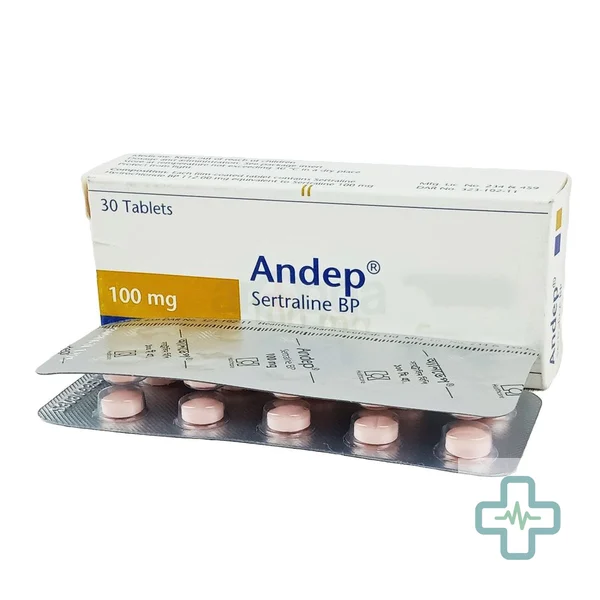
Andep 100 mg Tablet
Sertraline
Healthcare Pharmaceuticals Ltd.
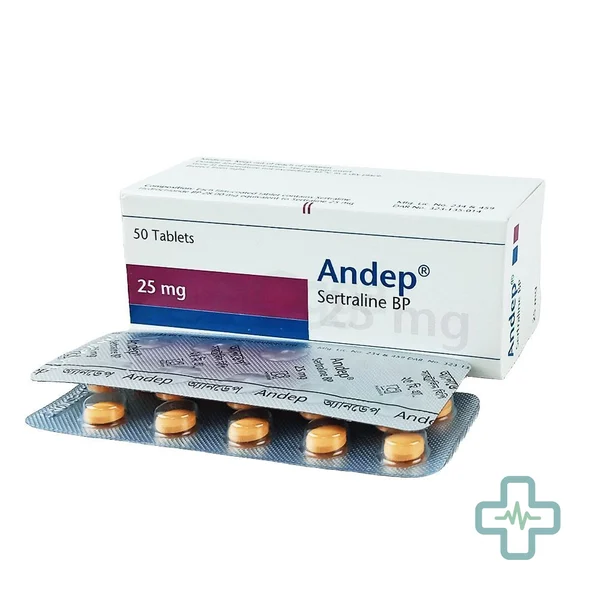
Andep 25 mg Tablet
Sertraline
Healthcare Pharmaceuticals Ltd.
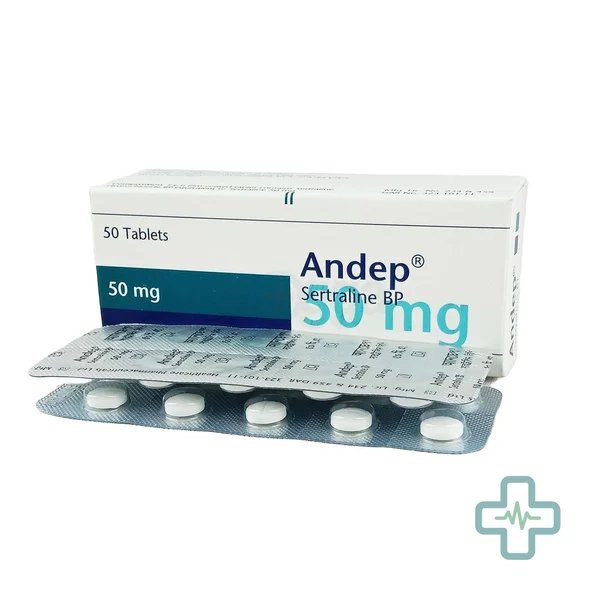
Andep 50 mg Tablet
Sertraline
Healthcare Pharmaceuticals Ltd.
Bextralin 50 mg Tablet
Sertraline
Beximco Pharmaceuticals Ltd.
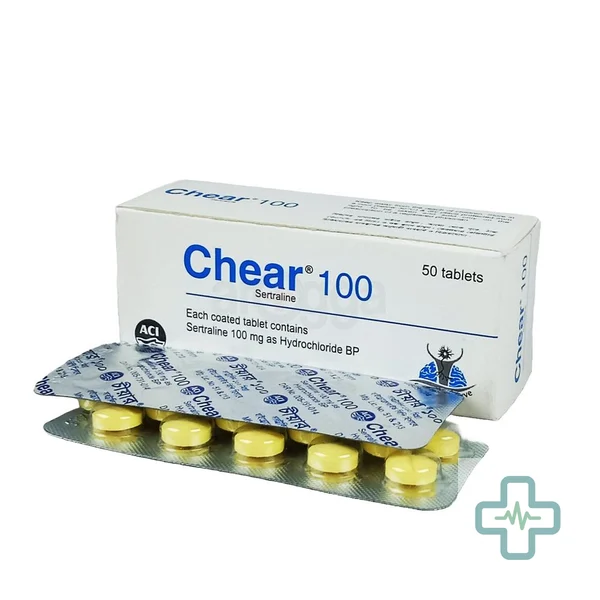
Chear 100 mg Tablet
Sertraline
Advanced Chemical Industries Limited
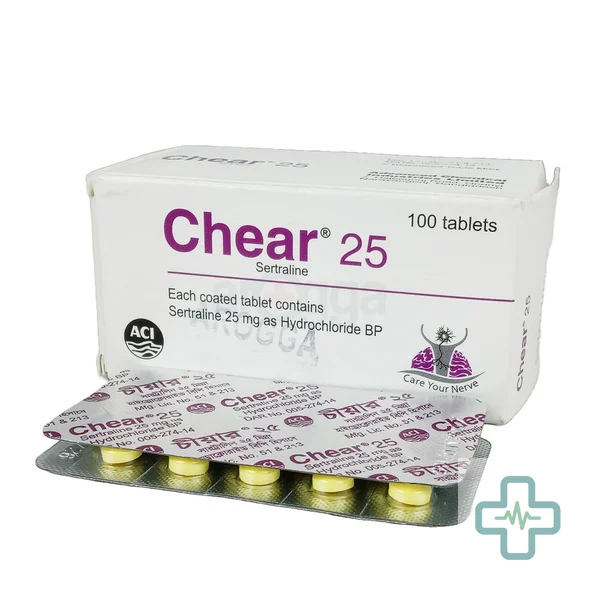
Chear 25 mg Tablet
Sertraline
Advanced Chemical Industries Limited
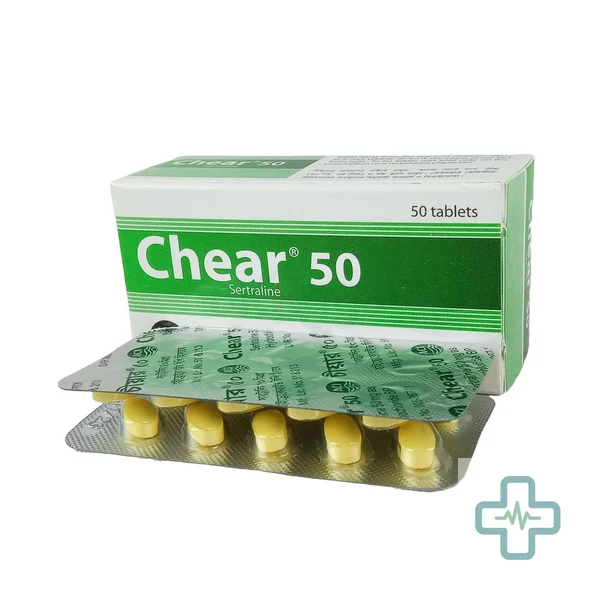
Chear 50 mg Tablet
Sertraline
Advanced Chemical Industries Limited
E-Set 50 mg Tablet
Sertraline
Edruc Ltd.
Moodex 100 mg Tablet
Sertraline
One Pharma Ltd.
Moodex 50 mg Tablet
Sertraline
One Pharma Ltd.
Mudiral 100 mg Tablet
Sertraline
Opsonin Pharma Limited
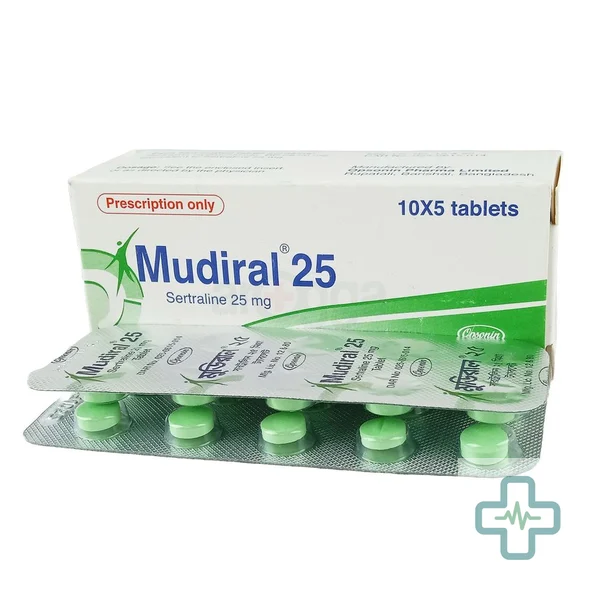
Mudiral 25 mg Tablet
Sertraline
Opsonin Pharma Limited
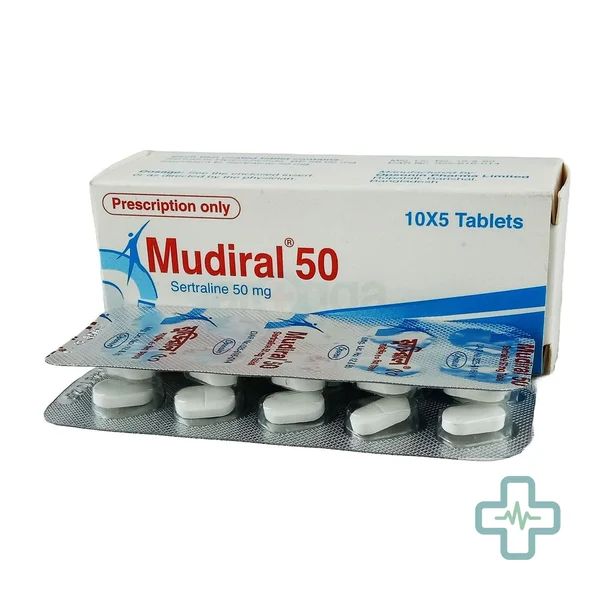
Mudiral 50 mg Tablet
Sertraline
Opsonin Pharma Limited
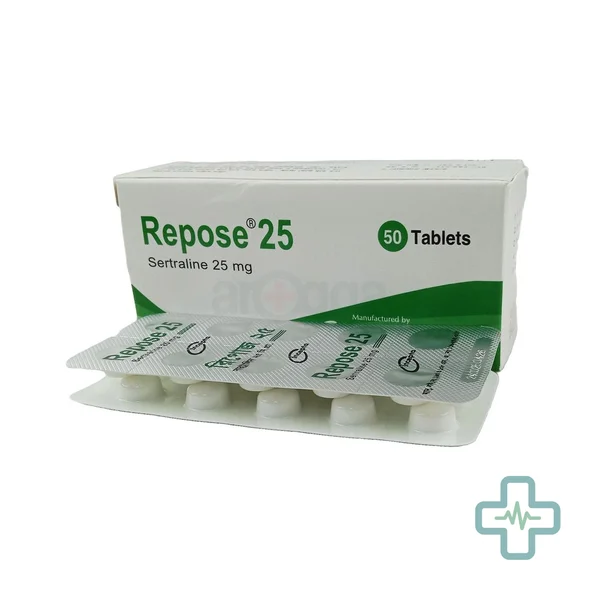
Repose 25 mg Tablet
Sertraline
Incepta Pharmaceuticals Ltd.

Sartra 50 mg Tablet
Sertraline
Pacific Pharmaceuticals Ltd.
SB-Serta 50 mg Tablet
Sertraline
Sunman-Birdem Pharma Ltd.

Serlin 25 mg Tablet
Sertraline
Ibn Sina Pharmaceutical Ind. Ltd.

Serlin 50 mg Tablet
Sertraline
Ibn Sina Pharmaceutical Ind. Ltd.
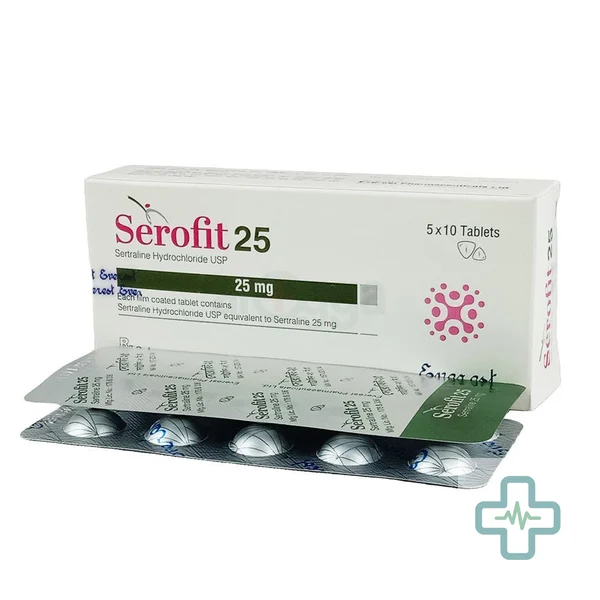
Serofit 25 mg Tablet
Sertraline
Everest Pharmaceuticals Ltd.
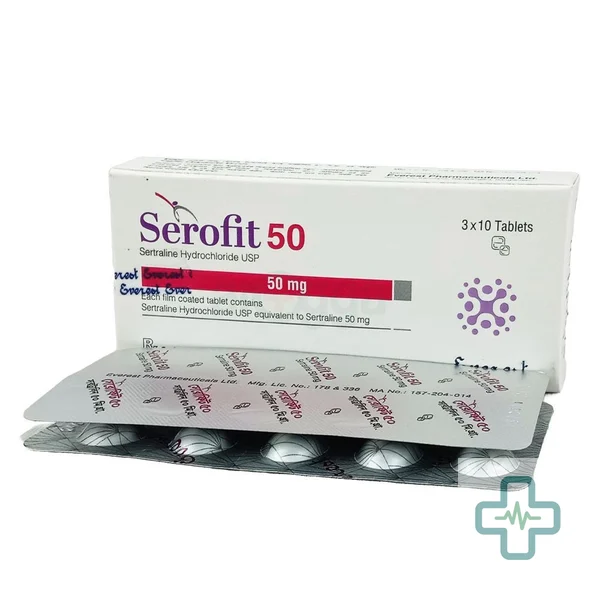
Serofit 50 mg Tablet
Sertraline
Everest Pharmaceuticals Ltd.
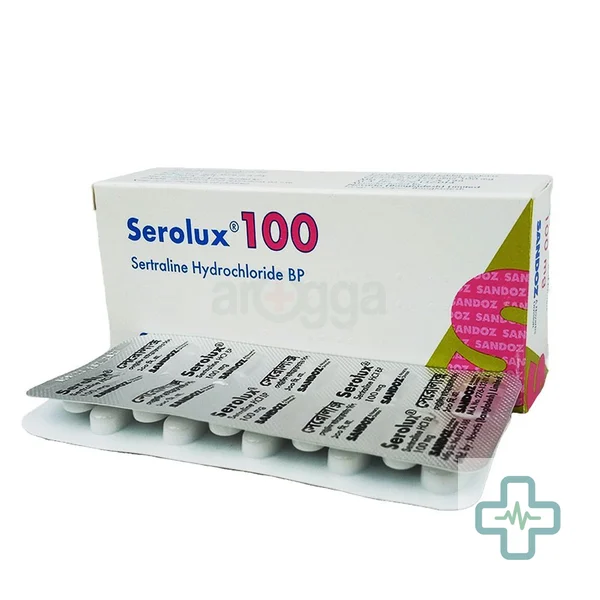
Serolux 100 mg Tablet
Sertraline
Nevian Lifescience PLC
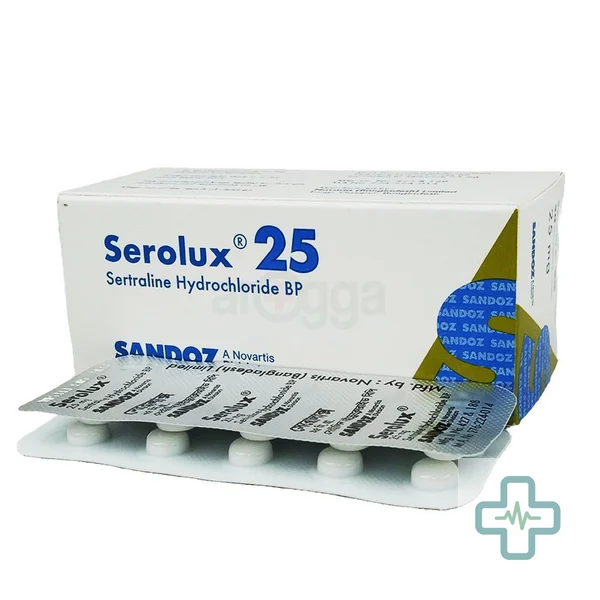
Serolux 25 mg Tablet
Sertraline
Nevian Lifescience PLC
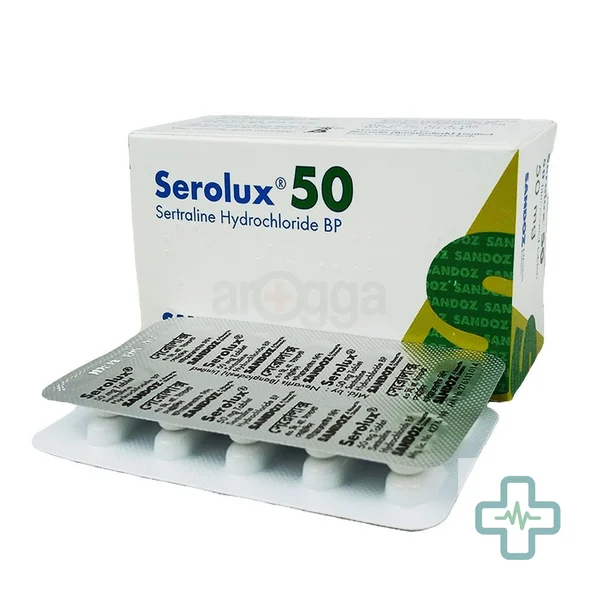
Serolux 50 mg Tablet
Sertraline
Nevian Lifescience PLC
Seronex-100 mg Tablet
Sertraline
Renata PLC, Gazipur
All Sertraline brands (56)
- Andep 100 mg Tablet
- Andep 25 mg Tablet
- Andep 50 mg Tablet
- Bextralin 50 mg Tablet
- Chear 100 mg Tablet
- Chear 25 mg Tablet
- Chear 50 mg Tablet
- E-Set 50 mg Tablet
- Moodex 100 mg Tablet
- Moodex 50 mg Tablet
- Mudiral 100 mg Tablet
- Mudiral 25 mg Tablet
- Mudiral 50 mg Tablet
- Repose 25 mg Tablet
- Sartra 50 mg Tablet
- SB-Serta 50 mg Tablet
- Serlin 25 mg Tablet
- Serlin 50 mg Tablet
- Serofit 25 mg Tablet
- Serofit 50 mg Tablet
- Serolux 100 mg Tablet
- Serolux 25 mg Tablet
- Serolux 50 mg Tablet
- Seronex-100 mg Tablet
- Seronex-25 mg Tablet
- Seronex-50 mg Tablet
- Sertad 100 mg Tablet
- Sertad 50 mg Tablet
- Sertal 50 mg Tablet (Drug International)
- Sertal-100 mg Tablet
- Sertal-25 mg Tablet
- Sertal-50 mg Tablet (Drug International, Gopalpur)
- Sertlin-100 mg Tablet
- Sertlin-25 mg Tablet
- Sertralin 50 mg Tablet
- Sertraline 100 mg Tablet
- Sertraline 50 mg Tablet
- Sertraver 100 mg Tablet
- Sertraver 25 mg Tablet
- Sertraver 50 mg Tablet
- Setra 100 mg Tablet
- Setra 25 mg Tablet
- Setra 50 mg Tablet
- Stalin 25 mg Tablet
- Stalin 50 mg Tablet
- Syche 50 mg Tablet
- Tralin 25 mg Tablet
- Traser 100 mg Tablet
- Traser 25 mg Tablet
- Traser 50 mg Tablet
- Zosert 100 100 mg Tablet
- Zosert 100 mg Tablet
- Zosert 25 25 mg Tablet
- Zosert 25 mg Tablet
- Zosert 50 50 mg Tablet
- Zosert 50 mg Tablet
What is Sertraline?
Sertraline is a selective serotonin reuptake inhibitor (ssri) antidepressant medicine available in Bangladesh under many brand names. Below are its uses, side effects and precautions — and every brand with its current price.
What is Sertraline used for?
Sertraline is prescribed by doctors, ideally psychiatrists, for:
- Major depression — persistent low mood, loss of interest, changes in sleep and appetite
- Generalised anxiety and excessive worry
- Panic disorder — sudden attacks of intense fear with palpitations and breathlessness
- Obsessive-compulsive disorder (OCD) — unwanted repeated thoughts and compulsive rituals
- Social anxiety disorder
- Post-traumatic stress disorder (PTSD)
- Premenstrual dysphoric disorder in some women
Only a qualified doctor can confirm whether Sertraline is the right medicine for your condition.
Side Effects
Most side effects of Sertraline are mild and settle within the first 1–2 weeks:
- Nausea, loose stools or stomach upset
- Headache, dizziness
- Sleep disturbance or drowsiness
- Increased sweating, dry mouth
- Reduced sexual desire or delayed orgasm
- Temporary restlessness or increased anxiety at the start of treatment
Contact your doctor urgently if you notice unusual agitation, worsening mood or thoughts of self-harm (especially in people under 25), unusual bleeding or bruising, a severe rash, or fever with muscle stiffness, sweating and confusion (possible serotonin syndrome).
Precautions & Warnings
Take these precautions while using Sertraline:
- Use it only under medical supervision, preferably by a psychiatrist, and attend follow-up visits regularly.
- Never stop suddenly — the dose must be tapered slowly to avoid withdrawal symptoms.
- Avoid alcohol completely; it worsens depression and increases side effects.
- Be careful when driving or operating machinery until you know how the medicine affects you.
- Tell your doctor if you have epilepsy, liver disease, a bleeding disorder, glaucoma, diabetes or bipolar disorder.
- Young people under 25 should be watched closely during the first few weeks for mood changes or suicidal thoughts.
Drug Interactions
Tell your doctor about every medicine you take, including herbal products. Important interactions with Sertraline include:
- MAO inhibitor antidepressants — must never be combined; a gap of at least 14 days is required.
- Other serotonergic drugs — tramadol, triptans (migraine medicines), lithium and other antidepressants increase the risk of serotonin syndrome.
- Blood thinners and painkillers — warfarin, aspirin and NSAIDs such as ibuprofen increase bleeding risk.
- Pimozide — this combination is contraindicated.
- Alcohol and sedatives — increased drowsiness and impaired judgement.
Contraindications
Sertraline should not be used in the following situations:
- Known allergy to Sertraline or any ingredient of the preparation
- Treatment with an MAO inhibitor now or within the last 14 days
- Use together with pimozide
Sertraline should be used with extra caution and specialist advice in people with epilepsy, significant liver disease, bipolar disorder (risk of switching to mania) or bleeding tendencies.
Pregnancy & Lactation
Pregnancy: Sertraline should be used in pregnancy only when the doctor judges that the benefit outweighs the risk. Remember that untreated depression itself can harm both mother and baby, so never stop the medicine on your own — if you are pregnant or planning pregnancy, discuss it with your psychiatrist immediately.
Breastfeeding: only small amounts of Sertraline pass into breast milk, and sertraline is generally considered one of the preferred antidepressants during breastfeeding. Even so, use it only under medical supervision and watch the baby for unusual sleepiness or poor feeding.
Storage
Store Sertraline below 30°C in a cool, dry place, away from direct sunlight and moisture. Keep the medicine in its original pack and strictly out of the reach of children. Do not use it after the expiry date printed on the pack, and return unused tablets to a pharmacy instead of throwing them into household waste.
General information about Sertraline, written from a shared template for every medicine with this ingredient by the ChamberBD content team. This page has not been individually reviewed by a clinician and does not replace a doctor's advice — always follow your doctor's prescription.