
Generic
Omeprazole
Brand medicines containing Omeprazole available in Bangladesh — compare prices, strengths and manufacturers.
Omeprazole brands in Bangladesh
Showing 1–24 of 306 medicines
Acidex 20 mg Capsule
Omeprazole
ACI HealthCare Limited
Anasec 20 mg Sr Tablet
Omeprazole
Novo Healthcare and Pharma Ltd.

Anasec 20 mg Capsule
Omeprazole
Novo Healthcare and Pharma Ltd.
Anasec 20 mg Sached Powder
Omeprazole
Novo Healthcare and Pharma Ltd.

Anasec 40 mg/VIAL Injection
Omeprazole
Novo Healthcare and Pharma Ltd.
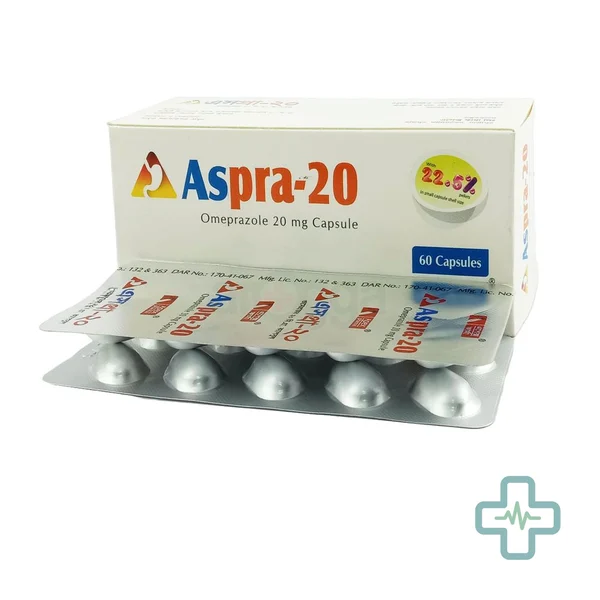
Aspra 20 mg Capsule
Omeprazole
Apex Pharma Ltd.
Aspra-40 mg Capsule
Omeprazole
Apex Pharma Ltd.
Au 20 mg Capsule
Omeprazole
Decent Pharma Laboratories Ltd.
AU-40 mg Capsule
Omeprazole
Decent Pharma Laboratories Ltd.

Aumi 40 mg Capsule
Omeprazole
Hudson Pharmaceuticals Ltd.
Avertzone 20 mg Capsule
Omeprazole
Avert Pharma Ltd.

Besectil 20 mg Capsule
Omeprazole
Bengal Drugs & Chemical Works Pharm. Ltd.
Besectil 40 mg Capsule
Omeprazole
Bengal Drugs & Chemical Works Pharm. Ltd.
Biopep 20 mg Capsule
Omeprazole
Cipla Ltd.
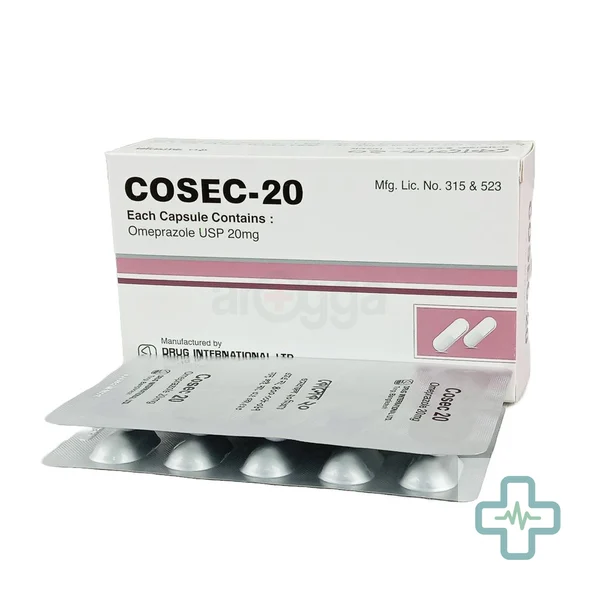
Cosec 20 mg Capsule
Omeprazole
Drug International Ltd.
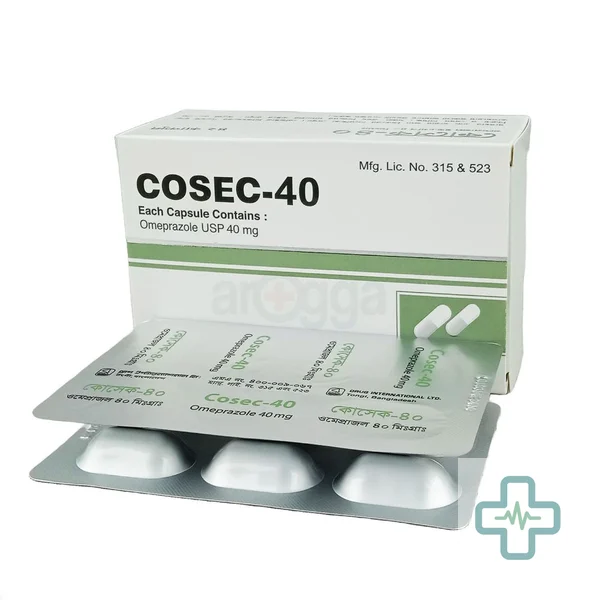
Cosec 40 mg Capsule
Omeprazole
Drug International Ltd.
Cosec 40 mg/VIAL Injection
Omeprazole
Drug International Ltd., Gopalpur
Cosec-MUPS 20 mg Tablet
Omeprazole
Drug International Ltd., Gopalpur
Cosec-MUPS 40 Tablet
Omeprazole
Drug International Ltd., Gopalpur
Deprazole 20 mg Capsule
Omeprazole
Dolphin Pharmaceuticals Ltd.

Deu 40 mg/VIAL Injection
Omeprazole
Monicopharma Limited

Emez 20 mg Capsule
Omeprazole
Edruc Ltd.
Emez 40 mg Capsule
Omeprazole
Edruc Ltd.
Emez-40 mg/VIAL Injection
Omeprazole
Edruc Ltd.
All Omeprazole brands (306)
- Acidex 20 mg Capsule
- Anasec 20 mg Capsule
- Anasec 20 mg Sached Powder
- Anasec 20 mg Sr Tablet
- Anasec 40 mg/VIAL Injection
- Aspra 20 mg Capsule
- Aspra-40 mg Capsule
- Au 20 mg Capsule
- AU-40 mg Capsule
- Aumi 40 mg Capsule
- Avertzone 20 mg Capsule
- Besectil 20 mg Capsule
- Besectil 40 mg Capsule
- Biopep 20 mg Capsule
- Cosec 20 mg Capsule
- Cosec 40 mg Capsule
- Cosec 40 mg/VIAL Injection
- Cosec-MUPS 20 mg Tablet
- Cosec-MUPS 40 Tablet
- Deprazole 20 mg Capsule
- Deu 40 mg/VIAL Injection
- Emez 20 mg Capsule
- Emez 40 mg Capsule
- Emez-40 mg/VIAL Injection
- Eupi 40 mg Capsule
- Eupi IV 40 mg/VIAL Injection
- Eupi-20 mg Capsule
- G-Omeprazole 20 mg Capsule
- G-Omeprazole 40 mg/VIAL Injection
- GAP 40 mg/VIAL Injection
- Gap-20 mg Capsule
- GAP-40 mg Capsule
- Gastridine 20 mg Tablet
- Gastril 20 mg Capsule
- Gem 20 mg Capsule
- GEM-40 mg Capsule
- Glaxizol 20 mg Capsule
- Healer 20 mg Capsule
- Hk 20 mg Capsule
- Hk 40 mg Capsule
- Inhibita 20 mg Capsule
- Inhibita 40 mg Capsule
- Inpro 40 mg Capsule
- Inpro 40 mg/VIAL Injection
- Ipp 20 mg Capsule
- Lomesec 20 mg Capsule
- Loprazol 20 mg Capsule
- Losac 20 mg Capsule
- Losac 40 mg Capsule
- Losectil 10 mg Capsule
- LOSECTIL 20 mg Capsule
- Losectil 20 mg Sached Powder
- Losectil 40 mg Sached Powder
- Losectil 40 mg/VIAL Injection
- Losectil V 20 mg Capsule
- Losectil V 40 mg Capsule
- Losek 20 mg Capsule
- Lotil-10 mg Capsule
- Lotil-20 mg Capsule
- Lovanzo 20 mg Capsule
- Lovanzo 40 mg Capsule
- Lumisec 20 mg Capsule
- Mezol 20 mg Capsule
- Minisec-20 mg Capsule
- MInisec-40 mg Capsule
- MS-Sec 20 mg Tablet
- Neome 20 mg Capsule
- Neopra 20 mg Capsule
- Nuprazol 20 mg Capsule
- O - 40 mg Capsule
- O-20 mg Capsule
- Ofcid 20 10 mg Capsule
- Olzep-20 mg Capsule
- OMAG DR 20 mg Sr Tablet
- Omaprin 20 mg Capsule
- Omaprin 40 mg Capsule
- Ome 20 mg Capsule
- Ome 40 mg Capsule
- Omeben 20 mg Capsule
- Omeben 40 mg Capsule
- Omeben MUPS 20 mg Tablet
- Omecap 20 mg Capsule
- Omecare 40 mg Capsule
- Omecent 20 mg Capsule
- Omecent 40 mg Capsule
- Omecron 20 mg Capsule
- Omecron 40 IV Injection
- Omecron 40 mg Capsule
- Omectil 20 mg Sr Tablet
- Omecure-20 mg Capsule
- Omefast 20 mg Capsule
- Omegut 20 mg Capsule
- Omegut 40 mg Capsule
- Omegut 40 mg/VIAL Injection
- OMEHIL 40 mg Capsule
- Omehil-40 Inj Injection
- Omel 20 mg Capsule
- Omemed 20 mg Capsule
- Omemed 40 mg Capsule
- Omenaaf 20 mg Capsule
- Omenat 20 mg Capsule
- Omenix 10 mg Tablet
- Omenix 20 mg Capsule
- Omenix 40 40 mg/VIAL Injection
- Omenix 40 mg Sached Powder
- Omenix 40 mg Tablet
- Omenix 40 mg/VIAL Injection
- Omenta 20 mg Capsule
- Omenta 40 mg Capsule
- Omenta 40 mg/VIAL Injection
- Omep 10 mg Capsule
- Omep 20 mg Capsule
- Omep 20 mg Sr Tablet
- Omep 40 mg Capsule
- Omep 40 mg/VIAL Injection
- Omepra 20 mg Capsule
- Omepra 40 mg Capsule
- Omeprazole 100 gm/KG Pellets
- Omeprazole 150 gm/KG Pellets
- Omeprazole 20 mg Capsule
- Omeprazole 20 mg Sached Powder
- Omeprazole 20 mg Tablet
- Omeprazole 8.5 %/KG Pellets
- Omeprazole Pellets (8.5%) Pellets
- Omeprol 20 mg Capsule
- Omeprol-40 mg/VIAL Injection
- Omesec IV 40 mg/VIAL Injection
- Omesic 20 mg Capsule
- Omesic 40 mg Capsule
- Omesil 20 mg Capsule
- Omesil 20 mg Sached Powder
- Omesil 20 mg Sr Tablet
- Omesil 40 mg Capsule
- Omesil 40 mg Sached Powder
- Omesino 20 Capsule
- Omet 20 mg Capsule
- Ometac 20 mg Capsule
- Ometac 40 mg Capsule
- Ometac IV 40 mg/VIAL Injection
- Ometem 20 mg Capsule
- Ometem 40 mg Capsule
- Ometid 20 mg Capsule
- Ometid 20 mg Sached Powder
- Ometid 40 mg Capsule
- Ometid 40 mg/VIAL Injection
- Ometid MUPS 20 mg Tablet
- Ometid MUPS 40 mg Tablet
- Ometop 20 mg Capsule
- Ometor 20 mg Capsule
- Ometor 40 mg/VIAL Injection
- Omevir 20 mg Capsule
- Omex 20 mg Capsule
- Omex 40 mg Capsule
- Omex IV 40 mg/VIAL Injection
- Omez 20 mg Capsule
- Omezole 20 mg Capsule
- Omezole 40 mg Capsule
- Omiloc 20 mg Capsule
- Omirex 20 mg Capsule
- Omirex 40 mg Capsule
- Omitac 20 mg Capsule
- Omitin 40 mg Capsule
- Omixen 20 mg Capsule
- Omizit 20 mg Capsule
- Ompa 20 mg Capsule
- Ompee 20 mg Capsule
- Omrazol 40 mg Capsule
- Omrazole 20 mg Capsule
- Omsec 20 20 mg Capsule
- Omsec 20 mg Capsule
- Omsec 40 mg Tablet
- Omsec 40 mg/VIAL Injection
- Omyet 20 mg Capsule
- Oned Sachet 20 mg Sached Powder
- Oned Sachet 40 mg Sached Powder
- Onelock-20 mg Capsule
- Onelock-40 mg Capsule
- Op 20 mg Capsule
- Op 40 mg Capsule
- OP-20 mg Sached Powder
- OP-40 mg Sached Powder
- OP-40 mg/VIAL Injection
- Opal 20 mg Capsule
- Opal 40 mg/VIAL Injection
- Opazol 20 mg Capsule
- Opezen 20 mg Capsule
- Opezen 40 mg Capsule
- Opezen-S 20 mg Sached Powder
- Opmax 20 mg Capsule
- Oprezole 20 mg Capsule
- Optix 20 mg Capsule
- Orpra 20 mg Capsule
- Orpra 40 mg Capsule
- Osecton 20 mg Capsule
- Osecton 40 mg Capsule
- Osyn 20 mg Sr Tablet
- OZ 20 mg Capsule
- Ozole 20 mg Capsule
- Pear 20 mg Capsule
- Peplo 40 mg Capsule
- Peptral 40 mg Capsule
- Perizol 20 mg Capsule
- Perizol 40 mg Capsule
- Phoenix Omeprazole 20 mg Capsule
- Piazol 20 mg Capsule
- Piazol 40 mg Capsule
- PPI 20 mg Capsule
- Ppi 40 mg Capsule
- PPI 40 mg/VIAL Injection
- PRAZOLE-20 mg Capsule
- Prazomax 20 mg Capsule
- Prazomax 40 mg Capsule
- Prazomax 40 mg IV Injection
- Prazover 20 DR Sr Tablet
- Prazover 20 mg Capsule
- Prazover 40 mg Capsule
- Presec 10 mg Capsule
- Presec 20 mg Capsule
- Presec 40 mg Capsule
- Prevas 20 20 mg Capsule
- Prevas 20 mg Capsule
- Prevas 40 40 mg Capsule
- Prevas 40 IV Injection
- Prevas 40 mg Capsule
- PREVASTIN 20 20 mg Capsule
- Prevastin 20 mg Capsule
- Preven 20 mg Capsule
- Prevencid 20 mg Capsule
- Prevencid 40 mg Capsule
- Pro 20 mg Capsule
- Probitor 10 mg Capsule
- Probitor 20 mg Capsule
- Probitor 40 mg Capsule
- Procap 20 mg Capsule
- Procap 40 mg Capsule
- Procap 40 mg/VIAL Injection
- Proceptin 20 mg Capsule
- Proceptin 20 mg Sr Tablet
- Proceptin 40 mg Capsule
- Proceptin 40 mg/VIAL Injection
- Prolok 20 mg Capsule
- Prolok 40 mg Capsule
- Prolok-40 mg/VIAL Injection
- Promezol 20 mg Capsule
- Propin 20 mg Capsule
- Propin 40 mg Capsule
- Prosectil 20 mg Capsule
- Prosectil 40 mg Capsule
- Prosectil 40 mg/VIAL Injection
- Protobit 20 mg Capsule
- Protobit-40 mg Capsule
- Rampro-20 mg Capsule
- Re 20 mg Capsule
- Re 40 mg Capsule
- Re-Gerd 20 mg Capsule
- Regerd 40 mg Capsule
- Regerd 40 mg/VIAL Injection
- Resectil 20 mg Capsule
- Roceptin 20 mg Capsule
- Roceptin-40 mg Capsule
- Rome 20 mg Capsule
- Romilok 20 mg Capsule
- Seclo 20 20 mg Capsule
- Seclo 20 mg Capsule
- Seclo 40 40 mg Capsule
- Seclo 40 IV Injection
- Seclo 40 mg Capsule
- Seclo 40 mg/VIAL Injection
- Seclo DR 20 mg Sr Tablet
- Seclo DR 40 mg Dr Tablet
- Seclo MUPS 20 mg Sr Tablet
- Seclogen 20 mg Capsule
- Seclogen 40 mg Capsule
- Seclotil 20 mg Capsule
- seclotil 40 mg Capsule
- Sectil 20 mg Capsule
- Seloktil 20 mg Capsule
- sito 40 capsule
- Sito Capsule 20 mg Capsule
- Som 20 mg Capsule
- Som 40 mg Capsule
- Sparome 20 mg Capsule
- ST-Omazole 20 mg Capsule
- Stosec 20 mg Capsule
- Stosec 40 mg IV Injection
- Tase 20 mg Capsule
- Tase 40 mg Capsule
- Tropizol 20 mg Capsule
- Ulsacare 20 mg Capsule
- Xeldrin 10 mg Capsule
- Xeldrin 20 mg Capsule
- Xeldrin 20 mg Tablet
- Xeldrin 40 mg Capsule
- Xeldrin 40 mg/VIAL Injection
- Xelopes 20 mg Capsule
- Xelopes 20 mg Sr Tablet
- Xelopes 40 mg Capsule
- Xelopes 40 mg/VIAL Injection
- Xerosec 10 mg Capsule
- Xerosec 20 mg Capsule
- Xerosec 40 mg Capsule
- Xesec 20 mg Capsule
- Zilon 20 mg Capsule
- Zilon 40 mg Capsule
- Zolat 20 mg Capsule
- Zolat 40 mg Capsule
What is Omeprazole?
Omeprazole is a proton pump inhibitor (ppi) medicine available in Bangladesh under many brand names. Below are its uses, side effects and precautions — and every brand with its current price.
What is Omeprazole used for?
- Gastric and duodenal (peptic) ulcers
- Gastro-oesophageal reflux disease (GERD) and reflux oesophagitis
- Heartburn, acidity and acid regurgitation
- Helicobacter pylori eradication with antibiotics, as prescribed
- Prevention and treatment of NSAID-associated ulcers
- Zollinger-Ellison syndrome and other hypersecretory conditions
- Acid-related dyspepsia, when advised by a doctor
Side Effects
Omeprazole is generally well tolerated. The most common side effects are headache, abdominal pain, nausea, vomiting, flatulence, diarrhoea and constipation. These are usually mild and often improve as treatment continues.
Less frequently, people may notice dizziness, skin rash, itching or sleep disturbance. Prolonged use (usually more than a year) has been associated with low magnesium, vitamin B12 deficiency, slightly increased fracture risk and a higher chance of gut infections such as Clostridioides difficile. Stopping abruptly after long use can cause temporary rebound acid symptoms. Get urgent help for swelling of the face or throat, severe skin reactions or persistent watery diarrhoea.
Precautions & Warnings
Tell your doctor before starting omeprazole if you have liver disease, low magnesium, osteoporosis or previous gut infections. Alarm symptoms such as unintentional weight loss, repeated vomiting, vomiting blood, black stools or difficulty swallowing should be investigated before or during treatment, because acid suppression can hide serious stomach conditions including malignancy.
Use the lowest dose that controls symptoms for the shortest necessary time, and review any long-term use with your doctor. Long courses may need periodic checks of magnesium and vitamin B12. Avoid stopping a long course suddenly. Supporting habits help: eat on time, avoid late heavy meals, limit smoking, and reduce excessive tea, coffee and spicy oily food.
Drug Interactions
Omeprazole interacts with a number of medicines. It can reduce the effectiveness of clopidogrel, so this combination is generally avoided. By reducing stomach acid it lowers absorption of ketoconazole, itraconazole, iron salts and some HIV medicines such as atazanavir and nelfinavir.
It can raise blood levels of diazepam, phenytoin, warfarin (increasing bleeding risk), methotrexate, digoxin and tacrolimus, sometimes requiring dose adjustment or monitoring. Rifampicin and St John's Wort can reduce omeprazole's effect and should be avoided with it. Always give your doctor and pharmacist a complete list of your medicines, including over-the-counter products and supplements.
Contraindications
Omeprazole is contraindicated in people with known hypersensitivity to omeprazole, other proton pump inhibitors or any component of the formulation. A previous allergic reaction such as rash, facial swelling or breathing difficulty after any PPI means it should not be taken again without specialist advice.
It must not be used with rilpivirine-containing HIV regimens, and combining it with atazanavir or nelfinavir is not recommended. Concomitant use with clopidogrel is generally avoided. In severe liver impairment, lower doses and medical supervision are required. Confirm with your doctor that omeprazole is appropriate for you before starting.
Pregnancy & Lactation
Pregnancy: Omeprazole has been used in pregnancy for many years and available data do not show clear harm to the baby. Even so, it should only be taken when a doctor considers it necessary, at the lowest effective dose. Lifestyle measures and antacids are usually preferred first for heartburn in pregnancy.
Lactation: Omeprazole passes into breast milk in small amounts and is generally considered compatible with breastfeeding, but it should still be used under medical advice. Tell your doctor if your breastfed baby seems unusually sleepy or feeds poorly while you are taking it.
Storage
Store below 30°C in a dry place away from direct sunlight, heat and moisture. Keep the in its original blister or container until you take it, as the coating is sensitive to humidity. Keep out of the reach and sight of children. Do not use beyond the expiry date on the packaging, and dispose of unused medicine safely, preferably through a pharmacy.
Frequently asked questions about Omeprazole
Why has my doctor given Omeprazole along with antibiotics?
General information about Omeprazole, written from a shared template for every medicine with this ingredient by the ChamberBD content team. This page has not been individually reviewed by a clinician and does not replace a doctor's advice — always follow your doctor's prescription.