
Generic
Naproxen
Brand medicines containing Naproxen available in Bangladesh — compare prices, strengths and manufacturers.
Naproxen brands in Bangladesh
Showing 1–24 of 145 medicines

Alproxen 250 mg Tablet
Naproxen
Allied Pharmaceuticals Ltd.

Alproxen 500 mg Tablet
Naproxen
Allied Pharmaceuticals Ltd.
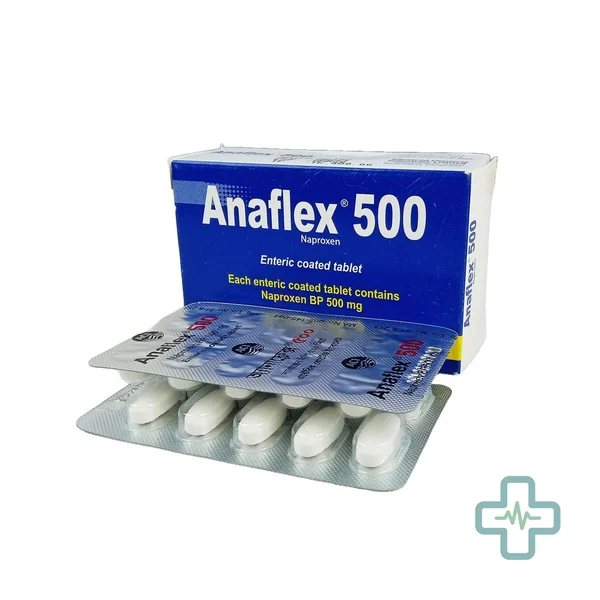
Anaflex 500 mg Tablet
Naproxen
Advanced Chemical Industries Limited
Anaflex 125 mg/5 ml Powder For Suspension
Naproxen
Advanced Chemical Industries Limited
Anaflex 10 gm/100 gm Gel
Naproxen
Advanced Chemical Industries Limited
Anaflex 250 mg Suppository
Naproxen
Advanced Chemical Industries Limited
Anaflex 500 mg Suppository
Naproxen
Advanced Chemical Industries Limited
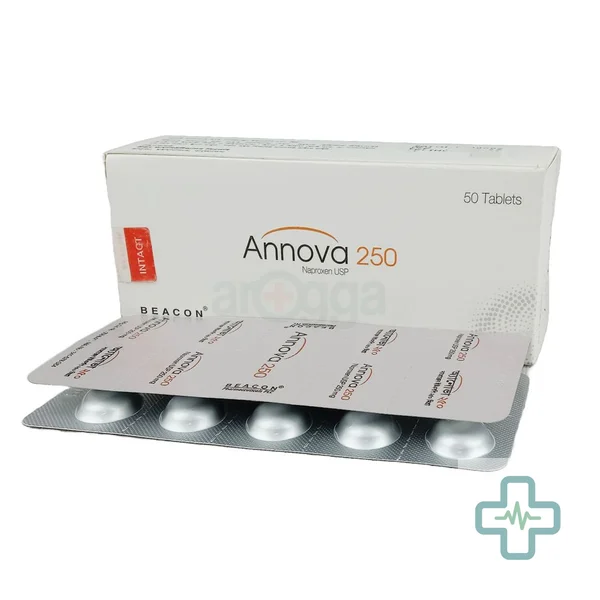
Annova 250 mg Tablet
Naproxen
Beacon Pharmaceuticals PLC
Annova 500 mg Tablet
Naproxen
Beacon Pharmaceuticals PLC
Annova Suspension 125 mg/5 ml Powder For Suspension
Naproxen
Beacon Pharmaceuticals PLC

Arnex 500 mg Tablet
Naproxen
Silva Pharmaceuticals Ltd.
Bpxen-250 mg Tablet
Naproxen
Bristol Pharma Ltd.
Bpxen-250 500 mg Tablet
Naproxen
Bristol Pharma Ltd.
Demovo 500 mg Tablet
Naproxen
Delta Pharma Limited
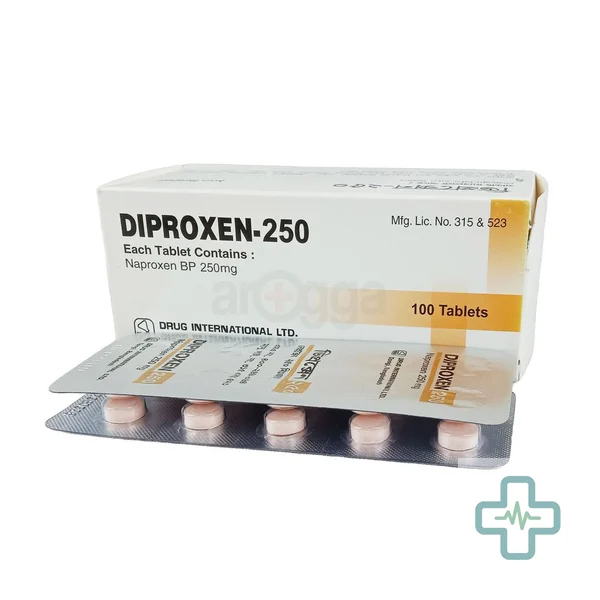
Diproxen 250 mg Tablet (Drug International)
Naproxen
Drug International Ltd.
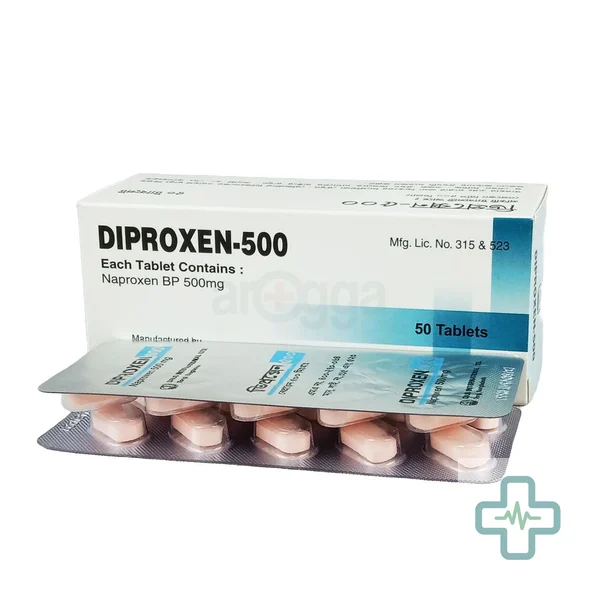
Diproxen 500 mg Tablet
Naproxen
Drug International Ltd.

Diproxen 125 mg/5 ml Powder For Suspension
Naproxen
Drug International Ltd.
Diproxen 10 gm/100 gm Gel
Naproxen
Drug International Ltd., Gopalpur
Diproxen- CR 500 Tablet
Naproxen
Drug International Ltd., Gopalpur
Diproxen-250 mg Tablet (Drug International, Gopalpur)
Naproxen
Drug International Ltd., Gopalpur
Dolwin 500 mg Tablet
Naproxen
SMC Enterprise Limited
Ecless 125 mg/5 ml Powder For Suspension
Naproxen
Incepta Pharmaceuticals Ltd.
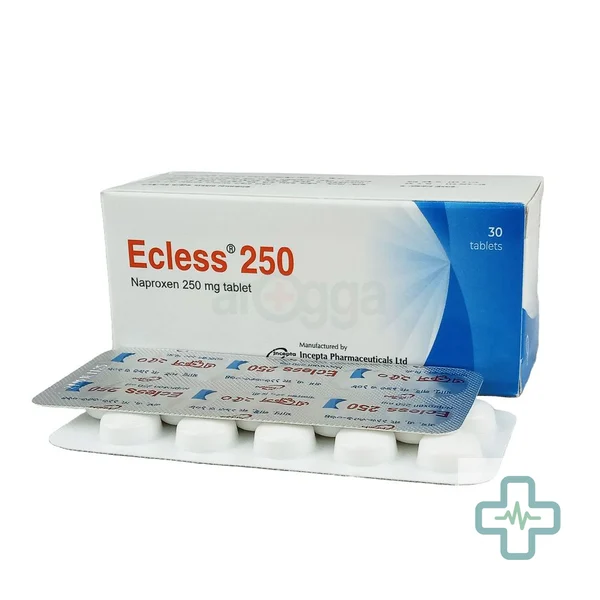
Ecless 250 mg Tablet
Naproxen
Incepta Pharmaceuticals Ltd.
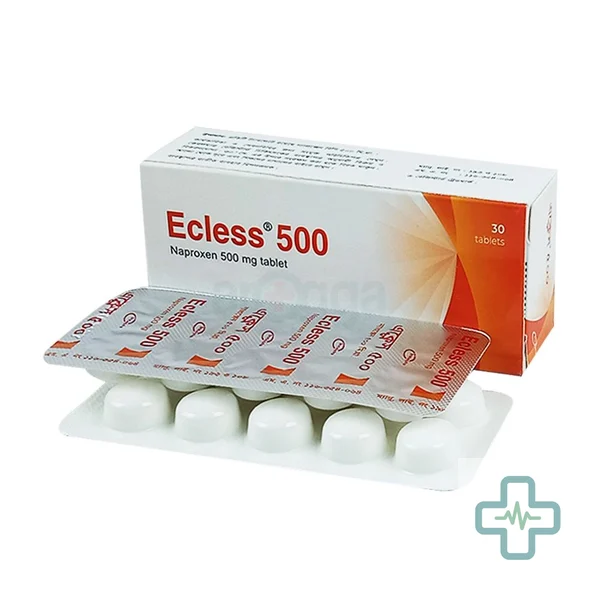
Ecless 500 mg Tablet
Naproxen
Incepta Pharmaceuticals Ltd.
All Naproxen brands (145)
- Alproxen 250 mg Tablet
- Alproxen 500 mg Tablet
- Anaflex 10 gm/100 gm Gel
- Anaflex 125 mg/5 ml Powder For Suspension
- Anaflex 250 mg Suppository
- Anaflex 500 mg Suppository
- Anaflex 500 mg Tablet
- Annova 250 mg Tablet
- Annova 500 mg Tablet
- Annova Suspension 125 mg/5 ml Powder For Suspension
- Arnex 500 mg Tablet
- Bpxen-250 500 mg Tablet
- Bpxen-250 mg Tablet
- Demovo 500 mg Tablet
- Diproxen 10 gm/100 gm Gel
- Diproxen 125 mg/5 ml Powder For Suspension
- Diproxen 250 mg Tablet (Drug International)
- Diproxen 500 mg Tablet
- Diproxen- CR 500 Tablet
- Diproxen-250 mg Tablet (Drug International, Gopalpur)
- Dolwin 500 mg Tablet
- Ecless 125 mg/5 ml Powder For Suspension
- Ecless 250 mg Tablet
- Ecless 500 mg Tablet
- Ecless Gel 10 gm/100 gm
- Eprox 500 mg Tablet
- Flexen 500 mg Tablet
- Fritt 500 mg Tablet
- Gibixen 500 mg Tablet
- Gloxen-250 mg Tablet
- Gloxen-500 mg Tablet
- H-Nap 500 mg Tablet
- Indoprox 250 mg Tablet
- Indoprox 500 mg Tablet
- Megaflam 500 mg Tablet
- Midrin 500 mg Tablet
- Naid 250 mg Tablet
- Naid 500 mg Tablet
- NAPACHE 250 mg Tablet
- NAPACHE 500 mg Tablet
- Napgin 250 mg Tablet
- Napgin-500 mg Tablet
- Napier 500 mg Tablet
- Napier Plus 250 mg Tablet
- Napium 250 mg Tablet
- Napix 500 mg Tablet
- Napren 250 mg Tablet
- Napren 500 mg Tablet
- Napro 250 mg Tablet
- Napro 500 mg Suppository
- Napro 500 mg Tablet
- Napro-A 250 mg Tablet
- Napro-A 500 mg Tablet
- Napro-P 500 mg Tablet
- Naproben 500 mg Tablet
- Naprocid 250 mg Tablet
- Naprocid 500 mg Tablet
- Naprodel 250 mg Tablet
- Naprofast 500 mg Tablet
- Naproflam 250 mg Tablet
- Napromax 500 mg Tablet
- Napropain 250 mg Tablet
- Napropain 500 mg Tablet
- Naproson 250 mg Tablet
- Naproson 500 mg Tablet
- Naprosyn 500 mg Tablet
- Naprovia 500 mg Tablet
- Naprox 10 gm/100 gm Gel
- Naprox 125 mg/5 ml Powder For Suspension
- NAPROX 250 250 mg Tablet
- Naprox 250 mg Tablet
- NAPROX 500 500 mg Tablet
- Naprox 500 mg Tablet
- Naprox Gel 10 gm/100 gm
- Naproxen 250 250 mg Tablet
- Naproxen 250 mg Tablet
- Naproxen 500 mg Tablet
- Naproxen SR 500 mg Tablet
- Naproxin 250 mg Tablet
- Naproxin 500 mg Tablet
- Napryn 125 mg/5 ml Powder For Suspension
- Napryn 250 mg Tablet
- Napryn 500 mg Tablet
- Napsod 10 gm/100 gm Gel
- Napsod 125 mg/5 ml Powder For Suspension
- Napsod 275 250 mg Tablet
- Narox 10 gm/100 gm Gel
- Narox 250 mg Tablet
- Narox 500 mg Tablet
- Nasox 250 mg Tablet
- Nasox 500 mg Tablet
- Naspro 250 mg Tablet
- Naspro 500 mg Tablet
- Naxin 250 mg Tablet
- Naxin 500 mg Suppository
- Naxin 500 mg Tablet
- Naxin Gel 10 gm/100 gm
- Naxo 500 mg Tablet
- Naxsil 500 mg Tablet
- Nipoxen 250 mg Tablet
- Nipoxen 500 SR Tablet
- Novas 500 mg Tablet
- Novaxen 500 mg Tablet
- Noxen 500 mg Tablet
- Nozee 500 mg Tablet
- Nproxol 500 mg Tablet
- Nunap 250 mg Tablet
- Nuprafen 125 mg/5 ml Powder For Suspension
- Nupralgin 250 mg Tablet
- Nupralgin 500 mg Tablet
- NX-1 500 mg Tablet
- Orxen 250 mg Tablet
- Orxen 500 mg Tablet
- Pairox 125 mg/5 ml Powder For Suspension
- Pairox 250 mg Tablet
- Pairox 500 mg Tablet
- Proxen 250 mg Tablet
- Proxen 500 mg Tablet
- Ranoxen 250 mg Tablet
- Ranoxen 500 mg Tablet
- Releve 500 mg Tablet
- Repro 250 mg Tablet
- Repro 500 mg Tablet
- Roxen 250 mg Tablet
- Roxen 500 mg Tablet
- Servinaprox 250 mg Tablet
- Servinaprox 500 mg Tablet
- Sonap 10 gm/100 gm Gel
- Sonap 250 mg Tablet
- Sonap 500 mg Suppository
- Sonap 500 mg Tablet
- Suxen 10 gm/100 gm Gel
- Ticolax 250 mg Tablet
- Ticolax 500 mg Tablet
- Tofa 500 mg Tablet
- Ultranax 500 mg Tablet
- Unap-500 mg Tablet
- Venoxen 500 mg Tablet
- Xenap 500 mg Tablet
- Xenapro 250 mg Tablet
- Xenapro 500 mg Tablet
- Xenobid 250 mg Tablet
- Xenobid 500 mg Tablet
- Zenosyn 250 mg Tablet
- Zenosyn 500 mg Tablet
What is Naproxen?
Naproxen is a non-steroidal anti-inflammatory drug (nsaid) medicine available in Bangladesh under many brand names. Below are its uses, side effects and precautions — and every brand with its current price.
What is Naproxen used for?
Naproxen is used for pain and inflammation in conditions such as:
- Osteoarthritis, rheumatoid arthritis and ankylosing spondylitis
- Acute gout attacks
- Back pain, neck pain and muscle strain
- Period (menstrual) pain — one of the most effective options
- Headache and migraine attacks
- Dental pain and pain after minor procedures
- Tendonitis, bursitis and sports injuries
It relieves symptoms; the underlying disease still needs diagnosis and treatment by a doctor, especially if pain keeps returning.
Side Effects
Common side effects of Naproxen include:
- Heartburn, stomach pain, nausea, constipation or diarrhoea
- Headache, dizziness or drowsiness
- Ringing in the ears (tinnitus) at higher doses
- Fluid retention and mild rise in blood pressure
Serious but less common effects: stomach ulcers and gastrointestinal bleeding (black stools, vomiting blood), kidney impairment, severe allergic reactions and skin rashes, and a small increase in heart attack and stroke risk with prolonged high-dose use. Stop the drug and seek urgent care if black stools, chest pain or severe abdominal pain occur.
Precautions & Warnings
Precautions to follow with Naproxen:
- Always take it with food; long courses may need a gastric-protective medicine (PPI) alongside
- Avoid in dengue fever or suspected dengue — bleeding risk; use paracetamol for fever instead
- Be careful if you are elderly or have ulcer history, kidney disease, heart disease, hypertension, liver disease or asthma
- Avoid when dehydrated from vomiting or diarrhoea
- Do not combine with other NSAIDs or aspirin painkillers
- Long-term users should have periodic blood pressure, kidney and haemoglobin checks
- It may slightly delay blood clotting — mention it before any surgery or dental procedure
Drug Interactions
Important interactions of Naproxen:
- Other NSAIDs and aspirin — multiply ulcer and bleeding risk; naproxen can also blunt low-dose aspirin's heart protection if taken at the wrong time
- Anticoagulants and antiplatelets (warfarin, clopidogrel) — increased bleeding
- Corticosteroids and SSRIs — added GI bleeding risk
- ACE inhibitors, ARBs and diuretics — risk of kidney injury and weaker blood-pressure control
- Lithium and methotrexate — levels and toxicity rise
- Antacids and cholestyramine — may slow naproxen absorption
Tell your doctor about every medicine, including over-the-counter painkillers, before starting.
Contraindications
Do not take Naproxen if you have:
- Active peptic ulcer or gastrointestinal bleeding, or repeated past episodes
- History of asthma, hives or allergic reaction caused by aspirin or another NSAID
- Severe kidney, liver or heart failure
- Dengue fever or suspected dengue
- The last trimester of pregnancy
- Allergy to naproxen or any ingredient of the product
Use only with specialist advice in established heart disease, uncontrolled hypertension or bleeding disorders.
Pregnancy & Lactation
Pregnancy: Avoid Naproxen in pregnancy unless a doctor decides it is essential, and never use it in the last three months — it can prematurely close a vessel in the baby's heart, affect the baby's kidneys and delay labour. Paracetamol is the preferred painkiller in pregnancy.
Breastfeeding: Naproxen passes into breast milk in small amounts and stays in the body longer than other NSAIDs, so shorter-acting alternatives (such as ibuprofen) are usually preferred. Use during breastfeeding only on your doctor's advice.
Storage
Store Naproxen below 30°C in a cool, dry place away from direct sunlight and moisture. Keep tablets in the original blister pack until use, and keep suspension bottles tightly closed. Keep all medicines out of the reach and sight of children. Do not use after the expiry date printed on the pack.
Frequently asked questions about Naproxen
Should I take Naproxen before or after food?
Always take Naproxen with food or immediately after a meal, with a full glass of water. Like all NSAIDs, naproxen weakens the stomach's protective lining, and taking it on an empty stomach greatly increases the chance of gastritis, heartburn and ulcers. If your doctor prescribes it for more than a few days, they may add a stomach-protecting medicine such as omeprazole to take alongside it.
General information about Naproxen, written from a shared template for every medicine with this ingredient by the ChamberBD content team. This page has not been individually reviewed by a clinician and does not replace a doctor's advice — always follow your doctor's prescription.