
Generic
Ibuprofen
Brand medicines containing Ibuprofen available in Bangladesh — compare prices, strengths and manufacturers.
Ibuprofen brands in Bangladesh
Showing 1–24 of 84 medicines

Advel 200 mg Tablet
Ibuprofen
Opsonin Pharma Limited
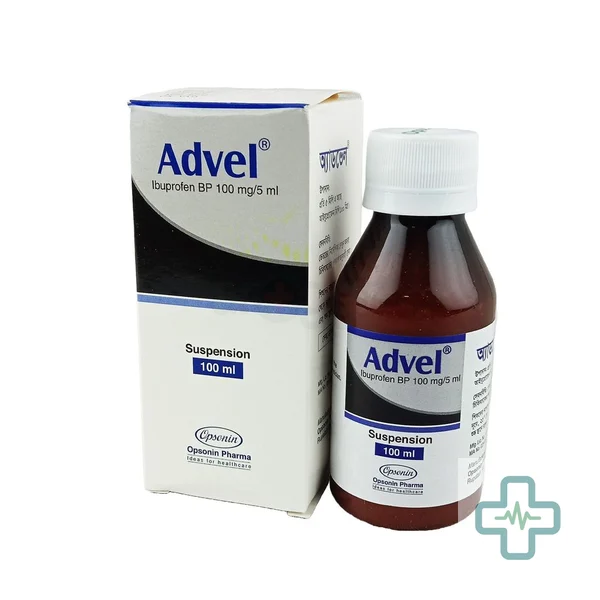
Advel 100 mg/5 ml Suspension
Ibuprofen
Opsonin Pharma Limited
Anafen 400 mg Tablet
Ibuprofen
Nipa Pharmaceuticals Ltd.
Anaflam 400 mg Tablet
Ibuprofen
Asiatic Laboratories Ltd.
Anti-Flam 400 mg Tablet
Ibuprofen
Pristine Pharmaceuticals

Arafa 400 mg Tablet
Ibuprofen
Hudson Pharmaceuticals Ltd.
Aveflam 400 mg Tablet
Ibuprofen
Avert Pharma Ltd.

Beflam 400 mg Tablet
Ibuprofen
Bengal Drugs & Chemical Works Pharm. Ltd.
Biflam 400 mg Tablet
Ibuprofen
Bikalpa Friends Pharmaceuticals Ltd.
Brufadol 400 mg Tablet
Ibuprofen
Dolphin Pharmaceuticals Ltd.

Bufen 100 mg/5 ml Suspension
Ibuprofen
Drug International Ltd.
Bunifen 400 mg Tablet
Ibuprofen
Healthcare Pharmaceuticals Ltd.
Chemofen 200 mg Tablet
Ibuprofen
Chemist Laboratories Ltd.
Chemofen 400 mg Tablet
Ibuprofen
Chemist Laboratories Ltd.
Cobex 400 mg Tablet
Ibuprofen
Rasa Pharmaceuticals Ltd.

Deprofen 200 mg Tablet
Ibuprofen
Doctor's Chemicals Works Ltd.

Deprofen 400 mg Tablet
Ibuprofen
Doctor's Chemicals Works Ltd.

Erofen 400 mg Tablet
Ibuprofen
Edruc Ltd.
Esrufen 200 mg Tablet
Ibuprofen
Square Pharmaceuticals PLC, Pabna
Esrufen 400 mg Tablet
Ibuprofen
Square Pharmaceuticals PLC, Pabna
Esrufen 600 mg Tablet
Ibuprofen
Square Pharmaceuticals PLC, Pabna
Esrufen 100 mg/5 ml Suspension
Ibuprofen
Square Pharmaceuticals PLC, Pabna
Flam 400 mg Tablet
Ibuprofen
Skylab Ltd.

Flamex 300 mg Capsule
Ibuprofen
Advanced Chemical Industries Limited
All Ibuprofen brands (84)
- Advel 100 mg/5 ml Suspension
- Advel 200 mg Tablet
- Anafen 400 mg Tablet
- Anaflam 400 mg Tablet
- Anti-Flam 400 mg Tablet
- Arafa 400 mg Tablet
- Aveflam 400 mg Tablet
- Beflam 400 mg Tablet
- Biflam 400 mg Tablet
- Brufadol 400 mg Tablet
- Bufen 100 mg/5 ml Suspension
- Bunifen 400 mg Tablet
- Chemofen 200 mg Tablet
- Chemofen 400 mg Tablet
- Cobex 400 mg Tablet
- Deprofen 200 mg Tablet
- Deprofen 400 mg Tablet
- Erofen 400 mg Tablet
- Esrufen 100 mg/5 ml Suspension
- Esrufen 200 mg Tablet
- Esrufen 400 mg Tablet
- Esrufen 600 mg Tablet
- Flam 400 mg Tablet
- Flamex 100 mg/5 ml Suspension
- Flamex 300 mg Capsule
- Flamex Gel 5 gm/100 gm
- Flampen 400 mg Tablet
- G Ibuprofen 400 mg Tablet
- Genafen 200 mg Tablet
- Iben 400 mg Tablet
- Ibf 400 mg Tablet
- Ibru 200 mg Tablet
- Ibru 400 mg Tablet
- Ibru 600 mg Tablet
- Ibufen 200 mg Tablet
- Ibufen 400 mg Tablet
- Ibuflam 400 mg Tablet
- Ibun 400 mg Tablet
- Ibuprofen 100 mg/5 ml Suspension
- Ibuprofen 200 mg Tablet
- Ibuprofen 400 mg Tablet
- Iburex 200 mg Tablet
- Iburex 400 mg Tablet
- Ibutab 400 mg Tablet
- Inflahil 400 Tablet
- Inflahil Suspension 100 mg/5 ml
- Inflam 100 mg/5 ml Suspension
- Inflam 200 mg Tablet
- Inflam 400 mg Tablet
- Inofen 200 mg Tablet
- Intaflam 400 mg Tablet
- Iprufen 400 mg Tablet
- Irufen 400 mg Tablet
- Isoflam 400 mg Tablet
- Jaflam 200 mg Tablet
- Junifen 100 mg/5 ml Suspension
- Lysofen 400 mg Tablet
- Neoflam 400 mg Tablet
- Neorofen 400 mg Tablet
- Neurofen 5 gm/100 gm Gel
- Noflam 200 mg Tablet
- Noflam 400 mg Tablet
- Norfen 200 mg Tablet
- Norfen 400 mg Tablet
- Oflam 400 mg Tablet
- Painout 400 mg Tablet
- Peflam 100 mg/5 ml Suspension
- Pentavax 100 mg/5 ml Suspension
- Phoenix Ibuprofen 400 mg Tablet
- Profen 100 mg/5 ml Suspension
- Profen 400 mg Tablet
- Rapofen 200 mg Tablet
- Rapofen 400 mg Tablet
- Rebufen 200 mg Tablet
- Rebufen 400 mg Tablet
- Rebuprofen 400 mg Tablet
- Reufen 100 mg/5 ml Suspension
- Reufen 400 mg Tablet
- Reumafen 100 mg/5 ml Suspension
- Reumafen 400 mg Tablet
- Serviprofen 400 mg Tablet
- Trufen 400 mg Tablet
- Tyflam 400 mg Tablet
- Veriflam 400 mg Tablet
What is Ibuprofen?
Ibuprofen is a non-steroidal anti-inflammatory drug (nsaid) medicine available in Bangladesh under many brand names. Below are its uses, side effects and precautions — and every brand with its current price.
What is Ibuprofen used for?
Ibuprofen is used for short-term relief of mild to moderate pain and fever, and for longer-term inflammatory conditions under medical supervision. Common uses include:
- Headache, migraine attacks and toothache
- Period pain (dysmenorrhoea)
- Muscle pain, sprains, strains and sports injuries
- Back pain and neck pain
- Osteoarthritis and rheumatoid arthritis joint pain
- Fever in colds and flu-like illness
- Pain after dental or minor surgical procedures
Use it for arthritis or any long-term condition only on a doctor's advice, since extended NSAID use needs monitoring of the stomach, kidneys and blood pressure.
Side Effects
Most people tolerate short courses well, but side effects can occur:
- Common: stomach pain, heartburn, nausea, indigestion, loose stools or constipation, mild dizziness or headache
- Less common: fluid retention, raised blood pressure, skin rash, ringing in the ears
- Serious (seek help immediately): black or bloody stools, vomiting blood, severe stomach pain, swelling of face or lips, breathing difficulty, marked reduction in urine output, chest pain
Stop the medicine and contact a doctor if any serious symptom appears. Long-term or frequent use increases the risk of stomach ulcers, kidney problems and heart-related events, especially in older adults.
Precautions & Warnings
Take these precautions while using Ibuprofen:
- Always take it with food — never on an empty stomach
- Avoid it completely during dengue fever or suspected dengue, as NSAIDs increase bleeding risk; paracetamol is the safer choice for fever
- Use cautiously if you have a history of gastric ulcer, kidney disease, high blood pressure, heart disease or asthma
- Elderly patients are more sensitive to stomach and kidney side effects
- Drink adequate water; dehydration increases the risk of kidney injury
- Avoid alcohol, which raises the chance of stomach bleeding
- Do not take two NSAIDs together (for example with diclofenac, naproxen or pain-dose aspirin)
Drug Interactions
Tell your doctor about every medicine you take. Ibuprofen may interact with:
- Blood thinners (warfarin, aspirin, clopidogrel) — higher bleeding risk
- Other NSAIDs or steroids — much higher risk of stomach ulcer and bleeding
- Blood pressure medicines (ACE inhibitors, ARBs, beta-blockers) and diuretics — reduced effect and possible strain on the kidneys
- Lithium and methotrexate — blood levels may rise to a toxic range
- SSRIs (such as escitalopram) — increased bleeding tendency
- Diabetes medicines — blood sugar may need closer monitoring
Avoid alcohol while on this medicine, and mention any herbal or over-the-counter products you use regularly.
Contraindications
Do not use Ibuprofen if any of the following applies:
- Allergy to ibuprofen, aspirin or any other NSAID (especially if previous reactions included an asthma attack, hives or facial swelling)
- Active or recurrent stomach or duodenal ulcer, or a history of GI bleeding caused by NSAIDs
- Severe heart failure, severe liver disease or severe kidney disease
- Bleeding disorders or dengue fever
- Third trimester of pregnancy
- Treatment of pain after coronary artery bypass (CABG) surgery
If you are unsure whether any of these applies to you, ask your doctor or pharmacist before taking the first dose.
Pregnancy & Lactation
Pregnancy: Ibuprofen should be avoided during pregnancy unless a doctor specifically advises it. It is strictly avoided in the third trimester (after 28 weeks) because it can harm the baby's heart circulation and kidneys, reduce amniotic fluid and delay labour. Even in early pregnancy, occasional use should happen only on medical advice.
Breastfeeding: Only small amounts pass into breast milk, and short courses at usual doses are generally considered compatible with breastfeeding. Even so, inform your doctor that you are breastfeeding so the safest pain-relief plan can be chosen for you and your baby.
Storage
Keep Ibuprofen in its original pack at room temperature, below 30°C, away from direct sunlight, heat and moisture. Do not store it in the bathroom or near the kitchen stove. Keep all medicines locked away and out of the reach of children, as accidental swallowing can be dangerous for them. Do not use the medicine after the expiry date printed on the strip or bottle, and do not use tablets that look discoloured or damaged. Dispose of unused medicine safely rather than keeping it for future self-treatment.
Frequently asked questions about Ibuprofen
Can I take Ibuprofen on an empty stomach?
No. Always take Ibuprofen with food, milk or immediately after a meal. Ibuprofen reduces the protective prostaglandins of the stomach lining, so taking it on an empty stomach increases the risk of gastritis, heartburn and even ulcers or bleeding. If you ever notice severe stomach pain, black stools or vomiting of blood while using it, stop the medicine and see a doctor immediately.
Is Ibuprofen safe during dengue fever?
No. Ibuprofen and other NSAIDs must be avoided in dengue or suspected dengue. Dengue lowers platelet counts, and NSAIDs further impair platelet function and irritate the stomach, sharply increasing the risk of serious bleeding. For fever and body ache during dengue season, paracetamol is the recommended option — and any fever lasting more than two to three days should be evaluated by a doctor with a blood test.
General information about Ibuprofen, written from a shared template for every medicine with this ingredient by the ChamberBD content team. This page has not been individually reviewed by a clinician and does not replace a doctor's advice — always follow your doctor's prescription.