
Generic
Gabapentin
Brand medicines containing Gabapentin available in Bangladesh — compare prices, strengths and manufacturers.
Gabapentin brands in Bangladesh
Showing 1–24 of 34 medicines

Epipen 300 mg Tablet
Gabapentin
Beximco Pharmaceuticals Ltd.
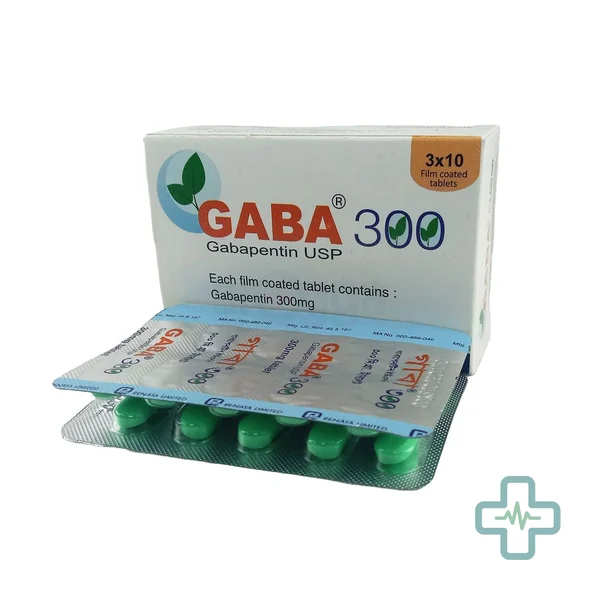
Gaba 300 mg Tablet
Gabapentin
Renata PLC
Gaba 600 mg Tablet
Gabapentin
Renata PLC
Gaba-100 mg Tablet
Gabapentin
Renata PLC
Gabahil 100 mg Tablet
Gabapentin
Goodman Pharmaceuticals Ltd
Gabahil 300 mg Tablet
Gabapentin
Goodman Pharmaceuticals Ltd

Gabamax 300 mg Tablet
Gabapentin
Beacon Pharmaceuticals PLC

Gabantin 300 mg Tablet
Gabapentin
Sun Pharmaceutical (Bangladesh) Ltd.
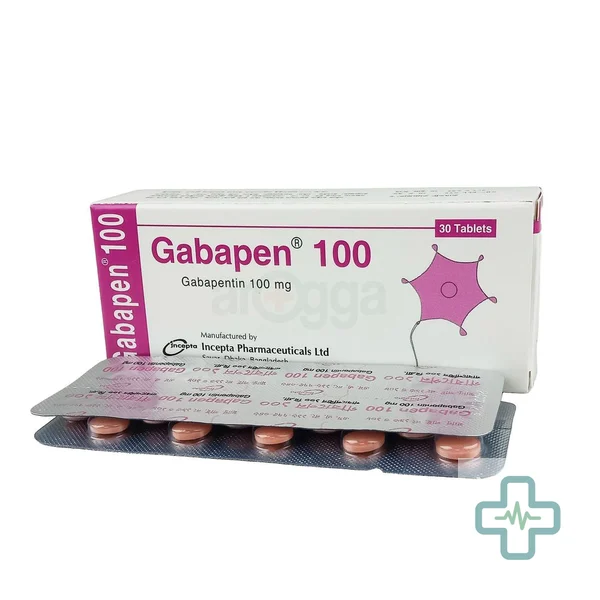
Gabapen 100 mg Tablet
Gabapentin
Incepta Pharmaceuticals Ltd.
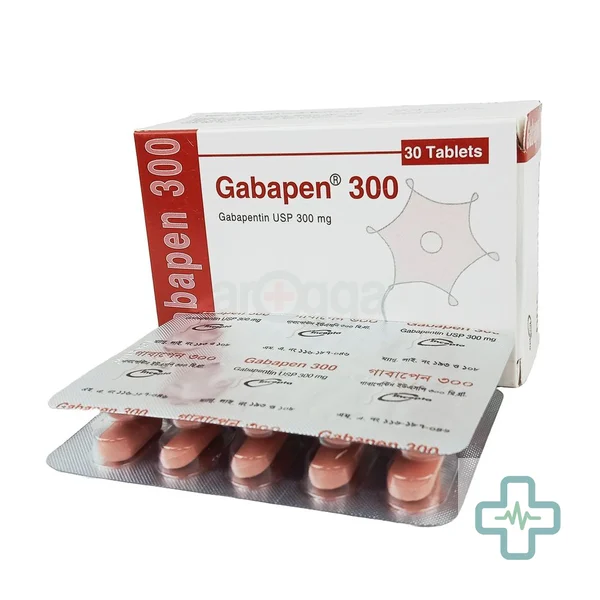
Gabapen 300 mg Tablet
Gabapentin
Incepta Pharmaceuticals Ltd.
Gabapen 600 mg Tablet
Gabapentin
Incepta Pharmaceuticals Ltd.
Gabapen 5 gm/100 ml Syrup
Gabapentin
Incepta Pharmaceuticals Ltd.

Gabapentin 300 mg Tablet
Gabapentin
Albion Laboratories Ltd.

Gabapentin 600 mg Tablet
Gabapentin
Albion Laboratories Ltd.
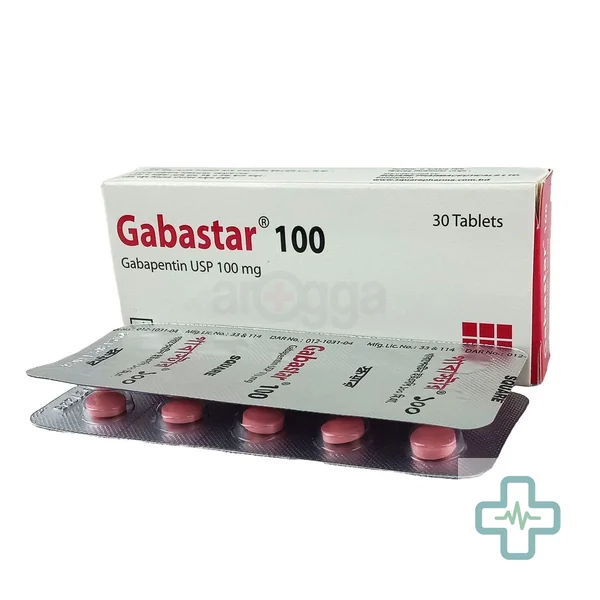
Gabastar 100 mg Tablet
Gabapentin
Square Pharmaceuticals PLC, Pabna
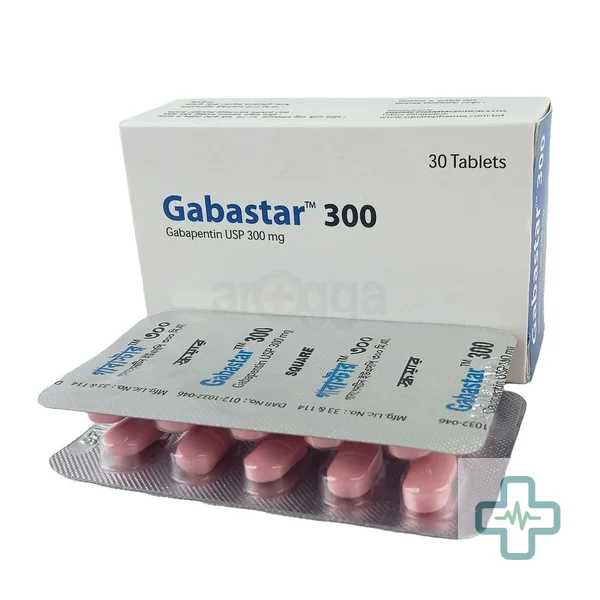
Gabastar 300 mg Tablet
Gabapentin
Square Pharmaceuticals PLC, Pabna
Gabastar 600 mg Tablet
Gabapentin
Square Pharmaceuticals PLC, Pabna
Gabastar 5 gm/100 ml Syrup
Gabapentin
Square Pharmaceuticals PLC, Pabna
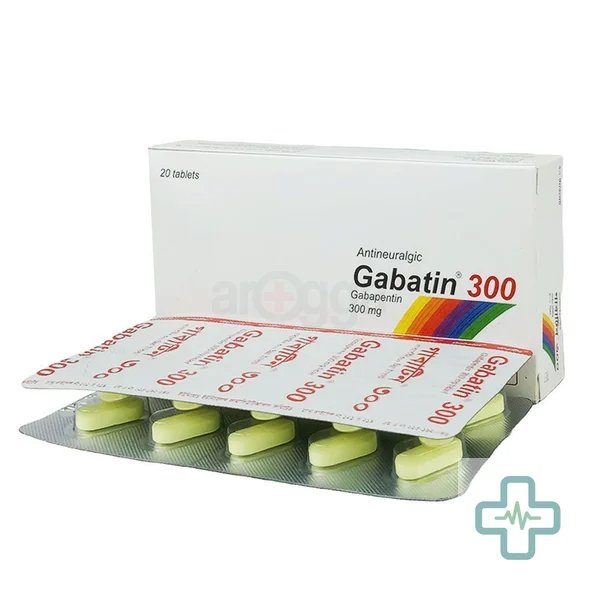
Gabatin 300 mg Tablet
Gabapentin
Unimed Unihealth Pharmaceuticals Ltd.
Gabatin 600 mg Tablet
Gabapentin
Unimed Unihealth Pharmaceuticals Ltd.

Gaboton 300 mg Tablet
Gabapentin
Nevian Lifescience PLC
Gaboton 600 mg Tablet
Gabapentin
Nevian Lifescience PLC

Gpentin 100 mg Tablet
Gabapentin
Opsonin Pharma Limited

Gpentin 300 mg Tablet
Gabapentin
Opsonin Pharma Limited
All Gabapentin brands (34)
- Epipen 300 mg Tablet
- Gaba 300 mg Tablet
- Gaba 600 mg Tablet
- Gaba-100 mg Tablet
- Gabahil 100 mg Tablet
- Gabahil 300 mg Tablet
- Gabamax 300 mg Tablet
- Gabantin 300 mg Tablet
- Gabapen 100 mg Tablet
- Gabapen 300 mg Tablet
- Gabapen 5 gm/100 ml Syrup
- Gabapen 600 mg Tablet
- Gabapentin 300 mg Tablet
- Gabapentin 600 mg Tablet
- Gabastar 100 mg Tablet
- Gabastar 300 mg Tablet
- Gabastar 5 gm/100 ml Syrup
- Gabastar 600 mg Tablet
- Gabatin 300 mg Tablet
- Gabatin 600 mg Tablet
- Gaboton 300 mg Tablet
- Gaboton 600 mg Tablet
- Gpentin 100 mg Tablet
- Gpentin 300 mg Tablet
- Gpentin 5 gm/100 ml Syrup
- Gpentin 600 mg Tablet
- Nepsy 300 mg Tablet
- nepsy 600 mg Tablet
- Neuromax 300 mg Tablet
- Neuropen 100 mg Tablet
- Neuropen 300 mg Tablet
- Neurotin 300 mg Tablet
- Neurotin 600 mg Tablet
- Neutin 600 mg Tablet
What is Gabapentin?
Gabapentin is a anticonvulsant / neuropathic pain agent (gabapentinoid) medicine available in Bangladesh under many brand names. Below are its uses, side effects and precautions — and every brand with its current price.
What is Gabapentin used for?
Doctors prescribe Gabapentin for:
- Neuropathic pain — burning, shooting or electric-shock-like pain from diabetic peripheral neuropathy, post-herpetic neuralgia (after shingles), nerve injury or nerve compression
- Epilepsy — as add-on treatment for focal (partial) seizures in adults and children, at the specialist's discretion
- Sometimes, on specialist advice, for restless legs syndrome or certain chronic pain conditions
Gabapentin is a prescription-only medicine. It does not help ordinary musculoskeletal pain, and it should never be taken casually as a general painkiller or sleep aid.
Side Effects
Common side effects of Gabapentin, especially in the first weeks or after dose increases:
- Dizziness and drowsiness — the most frequent; usually eases as the body adjusts
- Unsteadiness, poor coordination
- Fatigue, blurred or double vision
- Swelling of the feet and ankles
- Weight gain, increased appetite
- Dry mouth, constipation or nausea
Seek medical help urgently for: rash with fever and swollen glands (rare severe reaction), unusual mood changes or thoughts of self-harm, severe dizziness with falls, breathing difficulty (particularly in elderly people, those with lung disease, or when combined with opioids or sedatives).
Precautions & Warnings
Take these precautions with Gabapentin:
- Use only as prescribed, and never stop suddenly — taper gradually under medical guidance.
- Avoid alcohol: it greatly increases dizziness and drowsiness.
- Driving caution: do not drive, ride or operate machinery until you are sure the medicine does not impair you — particularly in the first weeks and after every dose increase.
- Combining with opioids (such as tramadol or morphine) or other sedatives increases the risk of dangerous breathing suppression — only do so under close medical supervision.
- Tell your doctor about kidney disease, breathing problems, depression, mood disorders or any history of substance misuse — gabapentin has some misuse potential and should be used carefully in such cases.
- Elderly people are more prone to dizziness, unsteadiness and falls.
Drug Interactions
Tell your doctor about all your medicines. Important interactions with Gabapentin:
- Opioid painkillers (tramadol, morphine, codeine) — increased sedation and risk of serious breathing suppression; morphine can also raise gabapentin levels.
- Alcohol, sleeping pills, benzodiazepines and sedating antihistamines — additive drowsiness and unsteadiness.
- Antacids containing aluminium or magnesium — reduce gabapentin absorption; keep a gap of at least 2 hours.
- Pregabalin or other sedating nerve-pain medicines — combined use only on specialist advice.
Contraindications
Gabapentin must not be used in:
- Known allergy to Gabapentin or any ingredient of the preparation
Use with special caution — and only under close medical supervision — in people with significant kidney impairment (dose must be reduced), severe breathing problems, a history of drug or alcohol misuse, depression with self-harm thoughts, and in the elderly. It is not a first-line medicine for children except in specific seizure indications decided by a specialist.
Pregnancy & Lactation
Pregnancy: safety data for Gabapentin in pregnancy are limited. Gabapentin should be used only if the doctor judges the benefit clearly outweighs the risk. If you take it for epilepsy, do not stop suddenly on discovering a pregnancy — uncontrolled seizures are also dangerous; contact your specialist promptly to review the plan and start folic acid as advised.
Breastfeeding: Gabapentin passes into breast milk in small amounts. Breastfeeding may be possible with medical agreement; observe the baby for unusual sleepiness or poor feeding and report concerns to your doctor.
Storage
Store Gabapentin below 30°C in a cool, dry place away from direct sunlight and moisture, in its original packaging. Keep it strictly out of the reach of children. Do not use the medicine after its expiry date, and return unused capsules or tablets to a pharmacy instead of throwing them into household waste.
General information about Gabapentin, written from a shared template for every medicine with this ingredient by the ChamberBD content team. This page has not been individually reviewed by a clinician and does not replace a doctor's advice — always follow your doctor's prescription.