
Generic
Empagliflozin
Brand medicines containing Empagliflozin available in Bangladesh — compare prices, strengths and manufacturers.
Empagliflozin brands in Bangladesh
Showing 1–24 of 61 medicines
Adempa 10 mg Tablet
Empagliflozin
Unimed Unihealth Pharmaceuticals Ltd.
Adempa 25 mg Tablet
Empagliflozin
Unimed Unihealth Pharmaceuticals Ltd.
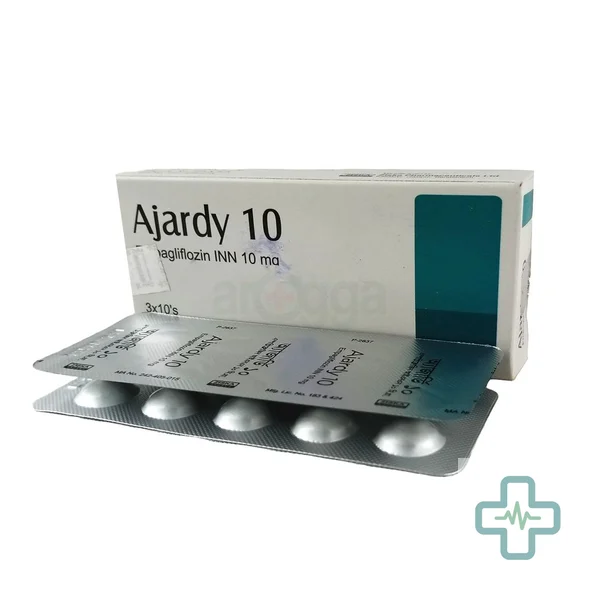
Ajardy 10 mg Tablet
Empagliflozin
Ziska Pharmaceuticals Ltd.
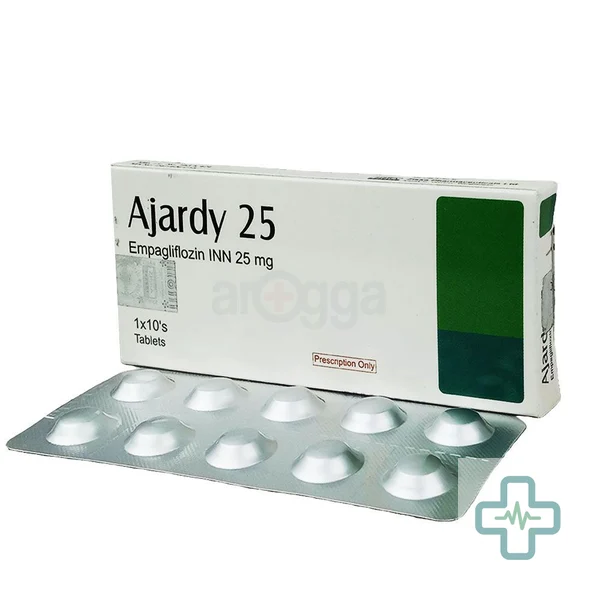
Ajardy 25 mg Tablet
Empagliflozin
Ziska Pharmaceuticals Ltd.
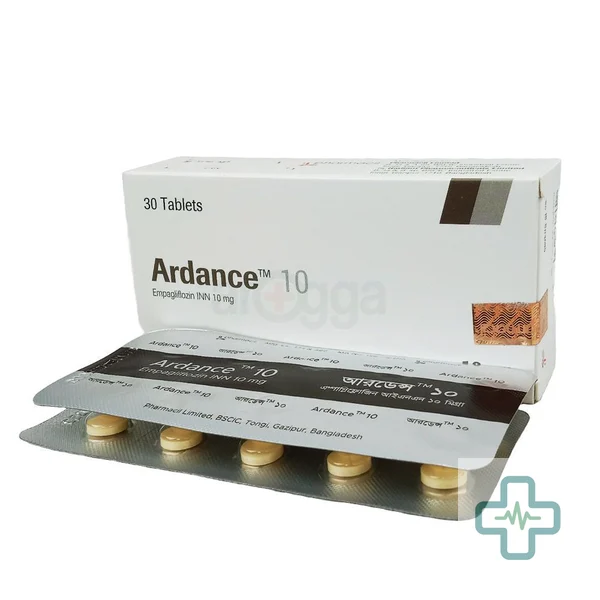
Ardance 10 mg Tablet
Empagliflozin
Pharmacil Ltd.
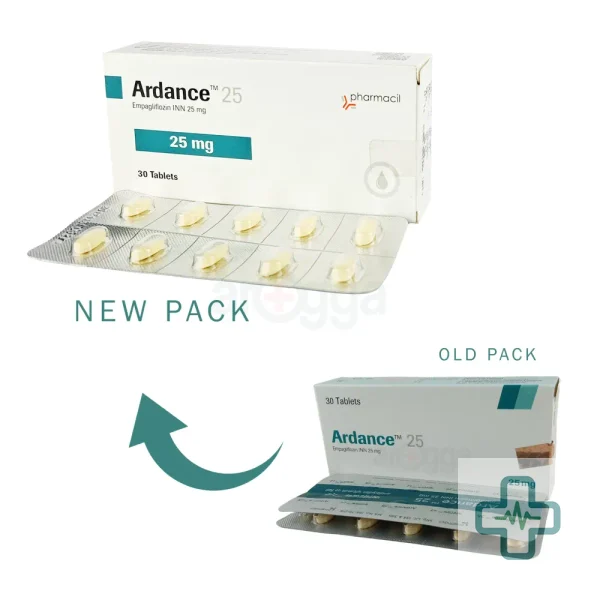
Ardance 25 mg Tablet
Empagliflozin
Pharmacil Ltd.
Coport f/c 10 mg Tablet
Empagliflozin
Advanced Chemical Industries Limited
Coport F/c 25 mg Tablet
Empagliflozin
Advanced Chemical Industries Limited
D-Fozin 10 mg Tablet
Empagliflozin
Desh Pharmaceuticals Ltd.
D-Fozin 25 mg Tablet
Empagliflozin
Desh Pharmaceuticals Ltd.
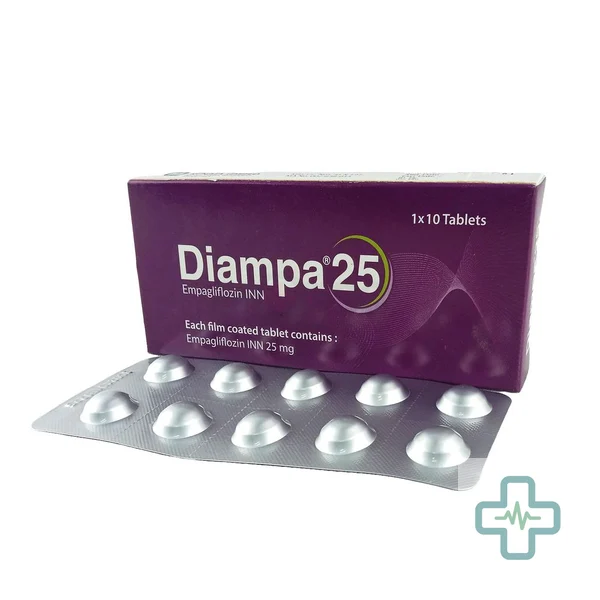
Diampa 25 mg Tablet
Empagliflozin
Renata PLC
Diampa-10 mg Tablet
Empagliflozin
Renata PLC
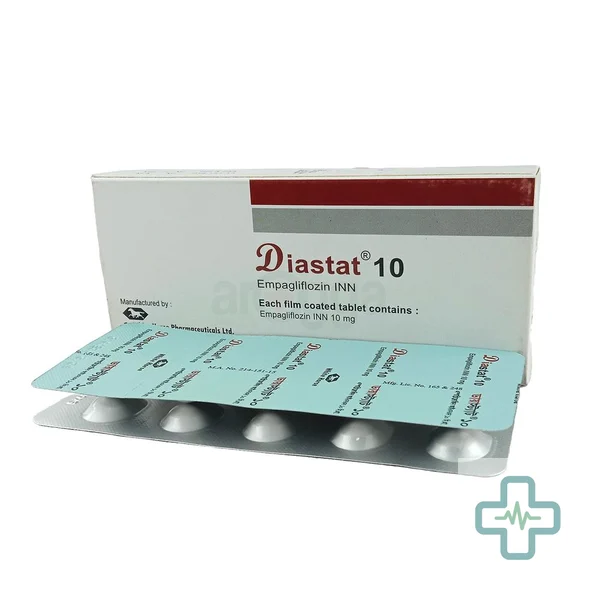
Diastat 10 mg Tablet
Empagliflozin
The White Horse Pharmaceuticals Ltd.

Diastat25 25 mg Tablet
Empagliflozin
The White Horse Pharmaceuticals Ltd.
Eflow 10 Tablet
Empagliflozin
Naafco Pharma Ltd.
Eflow 25 Tablet
Empagliflozin
Naafco Pharma Ltd.
Emagli 10 mg Tablet
Empagliflozin
DBL Pharmaceuticals Limited
Emagli 25 mg Tablet
Empagliflozin
DBL Pharmaceuticals Limited

EMAZID 10 mg Tablet
Empagliflozin
Eskayef Pharmaceuticals Ltd., Tongi,Gazipur

EMAZID25 25 mg Tablet
Empagliflozin
Eskayef Pharmaceuticals Ltd., Tongi,Gazipur
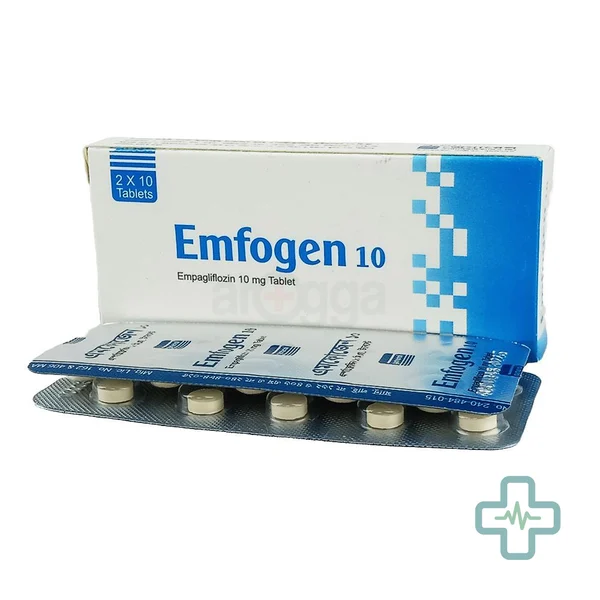
Emfogen 10 mg Tablet
Empagliflozin
General Pharmaceuticals Ltd.

Emfogen 25 mg Tablet
Empagliflozin
General Pharmaceuticals Ltd.

Emglif 10 mg Tablet
Empagliflozin
Orion Pharma Ltd.
Emglif 25 mg Tablet
Empagliflozin
Orion Pharma Ltd.
All Empagliflozin brands (61)
- Adempa 10 mg Tablet
- Adempa 25 mg Tablet
- Ajardy 10 mg Tablet
- Ajardy 25 mg Tablet
- Ardance 10 mg Tablet
- Ardance 25 mg Tablet
- Coport f/c 10 mg Tablet
- Coport F/c 25 mg Tablet
- D-Fozin 10 mg Tablet
- D-Fozin 25 mg Tablet
- Diampa 25 mg Tablet
- Diampa-10 mg Tablet
- Diastat 10 mg Tablet
- Diastat25 25 mg Tablet
- Eflow 10 Tablet
- Eflow 25 Tablet
- Emagli 10 mg Tablet
- Emagli 25 mg Tablet
- EMAZID 10 mg Tablet
- EMAZID25 25 mg Tablet
- Emfogen 10 mg Tablet
- Emfogen 25 mg Tablet
- Emglif 10 mg Tablet
- Emglif 25 mg Tablet
- Emglit-10 mg Tablet
- Emglit-25 mg Tablet
- Emlozin 10 mg Tablet
- Emlozin 25 mg Tablet
- Empa 10 mg Tablet
- Empa 25 mg Tablet
- Empadus 10 mg Tablet
- Empadus 25 mg Tablet
- Empafix 10 mg Tablet
- Empafix 25 mg Tablet
- Empaglif 10 mg Tablet
- Empaglif 25 mg Tablet
- Empala 10 mg Tablet
- Empala 25 mg Tablet
- Empamax 10 mg Tablet
- Empamax 25 mg Tablet
- Empanor 10 mg Tablet
- Emparol-10 mg Tablet
- Emparol-25 mg Tablet
- Empastar 10 mg Tablet
- Empastar 25 mg Tablet
- Empavic-10 mg Tablet
- Empavic-25 mg Tablet
- Empazin 10 mg Tablet
- Empazin 25 mg Tablet
- Empoli 10 mg Tablet
- Empoli 25 mg Tablet
- Epaglin-10 mg Tablet
- Evania Tablet 10 mg Tablet
- EVANIA Tablet 25 mg Tablet
- GLIFO 10 mg Tablet
- Glipatab-10 mg Tablet
- Glipatab-25 mg Tablet
- Sinjard 10 mg Tablet
- Sinjard 25 mg Tablet
- Sucozin 10 mg Tablet
- Sucozin 25 mg Tablet
What is Empagliflozin?
Empagliflozin is a sodium-glucose co-transporter-2 (sglt2) inhibitor — oral antidiabetic with heart and kidney benefits medicine available in Bangladesh under many brand names. Below are its uses, side effects and precautions — and every brand with its current price.
What is Empagliflozin used for?
Your doctor may prescribe Empagliflozin for:
- Type 2 diabetes in adults, with diet and exercise — alone or combined with metformin, other diabetes tablets or insulin
- Heart failure — to reduce the risk of worsening heart failure and hospital admission, in some patients even without diabetes
- Chronic kidney disease — to slow further loss of kidney function in selected patients
It is not used for type 1 diabetes or to treat diabetic ketoacidosis. Whether Empagliflozin is suitable, and for which purpose, depends on your kidney function and overall condition — your doctor will decide.
Side Effects
Because Empagliflozin removes sugar through the urine, the most common side effects are:
- Genital yeast infections — itching, redness or discharge, more common in women
- Urinary tract infections — burning or pain when passing urine
- Passing urine more often, thirst, and occasionally dizziness or low blood pressure from fluid loss
Rare but serious: diabetic ketoacidosis (DKA), which can occur even with near-normal blood sugar — nausea, vomiting, stomach pain, rapid breathing, unusual tiredness or fruity-smelling breath need urgent hospital care. Very rarely, a severe infection of the tissue around the genitals (Fournier's gangrene) — severe pain, swelling and fever in that area — is an emergency. Low blood sugar can occur when combined with insulin or a sulfonylurea.
Precautions & Warnings
To use Empagliflozin safely:
- Maintain genital hygiene — wash gently and keep the area dry every day; this greatly reduces yeast infections. See a doctor early if itching or discharge appears.
- Avoid dehydration — drink enough water, especially in hot weather, during fever or diarrhoea, or if you take diuretics; elderly people are more vulnerable.
- Tell your doctor before planned surgery, during any serious illness, or before prolonged fasting such as Ramadan — the medicine is often held temporarily to avoid DKA.
- A routine urine test will show sugar while you take this medicine — this is expected, not a sign of worsening diabetes.
Do not stop Empagliflozin on your own; its heart and kidney protection works only with regular use.
Drug Interactions
Tell your doctor and pharmacist about every medicine you take. Important interactions with Empagliflozin:
- Diuretics (water tablets) — combined fluid loss can cause dehydration, dizziness and low blood pressure; doses may need adjusting.
- Insulin and sulfonylureas (e.g. glimepiride, gliclazide) — higher risk of low blood sugar; your doctor may reduce their dose when starting Empagliflozin.
- Blood pressure medicines — the added blood-pressure-lowering effect may cause light-headedness, especially on standing.
- Lithium — empagliflozin may lower lithium levels; extra monitoring is advised.
Also mention NSAID painkillers and any herbal or over-the-counter products, since they can affect kidney function and hydration.
Contraindications
Do not take Empagliflozin if:
- You are allergic to Empagliflozin or any other ingredient of the product
- You have type 1 diabetes — the risk of ketoacidosis is high
- You currently have diabetic ketoacidosis — this medicine does not treat it
It is generally avoided in people with severely reduced kidney function or on dialysis (the doctor decides based on the purpose of treatment), in severe dehydration, and during pregnancy or breastfeeding. If you have repeated genital infections, very low blood pressure or a history of DKA, discuss carefully with your doctor before using Empagliflozin.
Pregnancy & Lactation
Empagliflozin is not recommended during pregnancy, particularly from the fourth month onwards, because animal studies suggest possible effects on the developing kidneys of the baby. Pregnant women with diabetes are usually managed with insulin instead. If you become pregnant or plan a pregnancy, inform your doctor promptly so treatment can be switched safely — do not just stop your diabetes care.
It is not known whether empagliflozin passes into human breast milk, and it is not recommended while breastfeeding. Your doctor will suggest a suitable alternative for this period.
Storage
Store Empagliflozin below 30°C in a cool, dry place, away from direct sunlight and moisture. Keep the in its original blister or container until you take it, and avoid storing medicine in the bathroom or kitchen where humidity is high.
- Keep all medicines out of the reach and sight of children.
- Do not use the medicine after the expiry date printed on the pack.
- Do not dispose of unused medicine in household waste or drains; ask your pharmacist about safe disposal.
Frequently asked questions about Empagliflozin
Can I stop Empagliflozin when I feel better?
No. Empagliflozin does more than lower blood sugar — with regular use it also protects the heart and kidneys, and those benefits continue only while you take it. Stopping on your own lets glucose rise silently and removes that protection. Even if your sugar readings look excellent, that usually means the medicine is working. Any decision to reduce, switch or stop must come from your doctor after reviewing your reports.
Why does Empagliflozin cause itching or infection in the genital area, and how can I prevent it?
Empagliflozin removes extra sugar through the urine, and that sugar allows yeast to grow around the genital area, causing itching, redness or discharge — more often in women. Prevention is simple: wash the area gently with water every day, dry it well, wear clean cotton underwear and drink plenty of water. If symptoms appear, see your doctor early — these infections are usually mild and treated easily with antifungal cream or a tablet, and the diabetes medicine can usually continue.
Should I keep taking Empagliflozin during fasting (such as Ramadan) or when I am very ill?
Ask your doctor before fasting or during any serious illness. When you go long hours without food and water, or cannot eat because of vomiting, fever or surgery, Empagliflozin can increase the risk of dehydration and a rare but dangerous condition called ketoacidosis, which may occur even with near-normal sugar levels. Doctors often advise holding the medicine temporarily on such days and restarting when you are eating and drinking normally — but the decision must be your doctor's, not your own.
General information about Empagliflozin, written from a shared template for every medicine with this ingredient by the ChamberBD content team. This page has not been individually reviewed by a clinician and does not replace a doctor's advice — always follow your doctor's prescription.