
Generic
Doxofylline
Brand medicines containing Doxofylline available in Bangladesh — compare prices, strengths and manufacturers.
Doxofylline brands in Bangladesh
Showing 1–24 of 115 medicines
Ascova 100 mg/5 ml Syrup
Doxofylline
Labaid Pharmaceuticals Ltd.
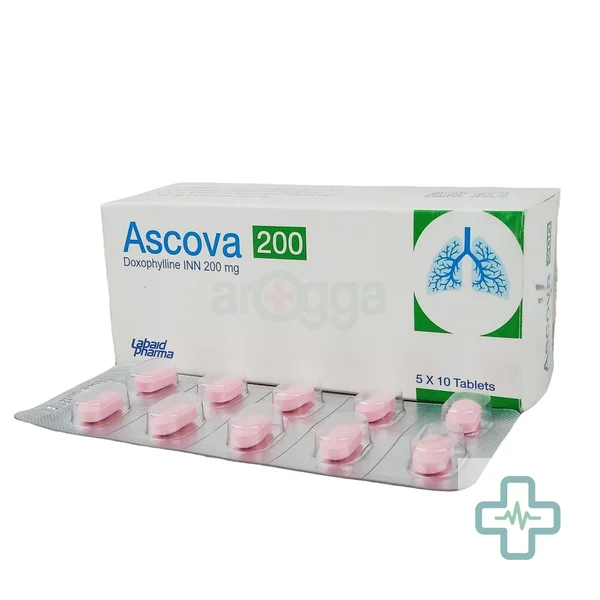
Ascova 200 mg Tablet
Doxofylline
Labaid Pharmaceuticals Ltd.
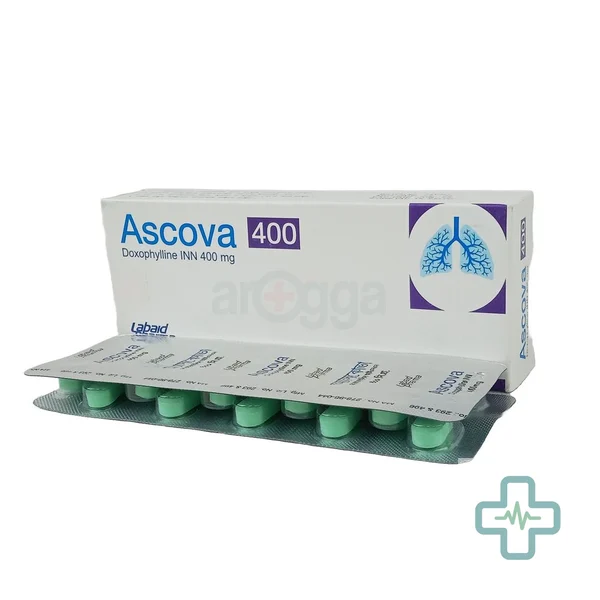
Ascova 400 mg Tablet
Doxofylline
Labaid Pharmaceuticals Ltd.
Asdofyl 100 mg/5 ml Syrup
Doxofylline
Alco Pharma Limited
Asdofyl 200 mg Tablet
Doxofylline
Alco Pharma Limited
Asdofyl 400 mg Tablet
Doxofylline
Alco Pharma Limited
Asmadox 200 mg Tablet
Doxofylline
Astra Biopharmaceuticals Ltd.
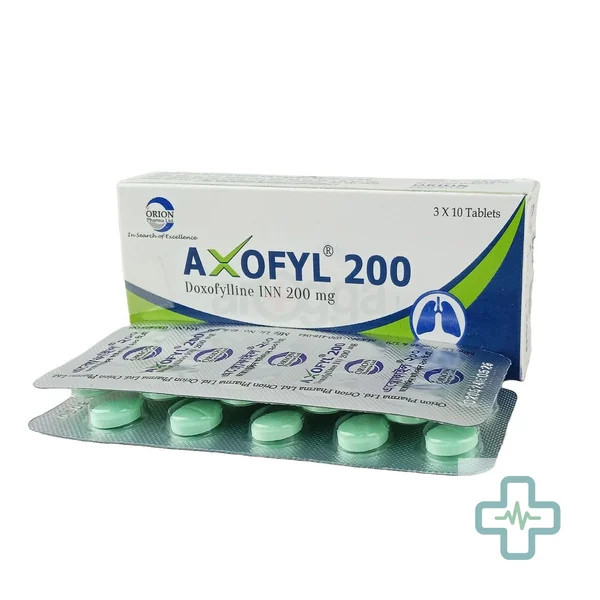
Axofyl 200 mg Tablet
Doxofylline
Orion Pharma Ltd.
Axofyl 400 mg Tablet
Doxofylline
Orion Pharma Ltd.
Bredox 200 mg Tablet
Doxofylline
Globe Pharmaceuticals Ltd.
Bredox 400 mg Tablet
Doxofylline
Globe Pharmaceuticals Ltd.
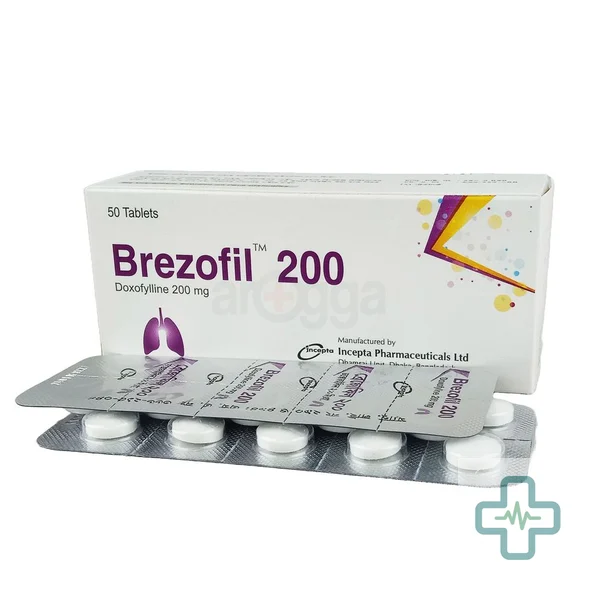
Brezofil 200 mg Tablet
Doxofylline
Incepta Pharmaceuticals Ltd. (Dhamrai Unit)
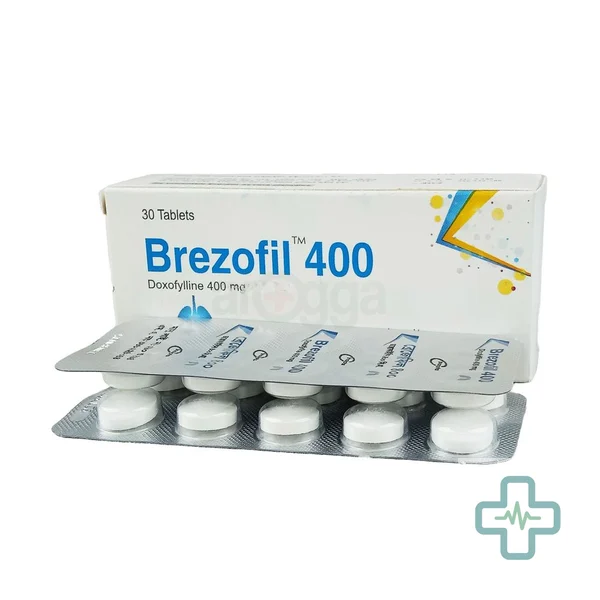
Brezofil 400 mg Tablet
Doxofylline
Incepta Pharmaceuticals Ltd. (Dhamrai Unit)
Brezofil 400 SR Tablet
Doxofylline
Incepta Pharmaceuticals Ltd.
Copadox 400 mg Tablet
Doxofylline
Somatec Pharmaceuticals Ltd.
Dioxovia 200 mg Tablet
Doxofylline
Synovia Pharma PLC.
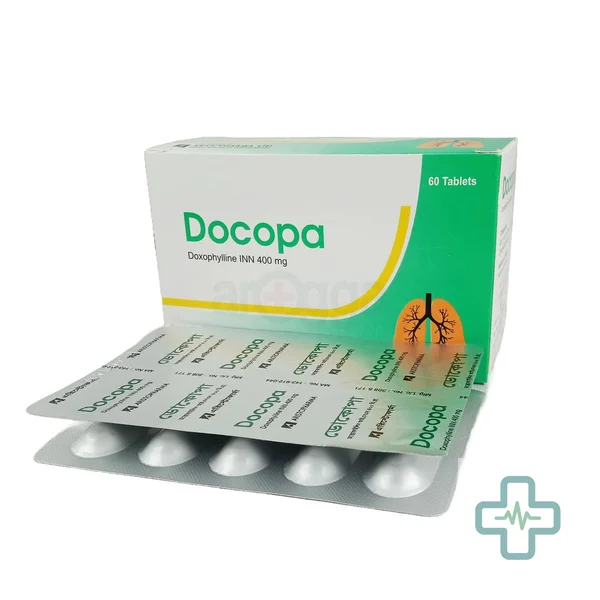
Docopa 400 mg Tablet
Doxofylline
Aristopharma Limited
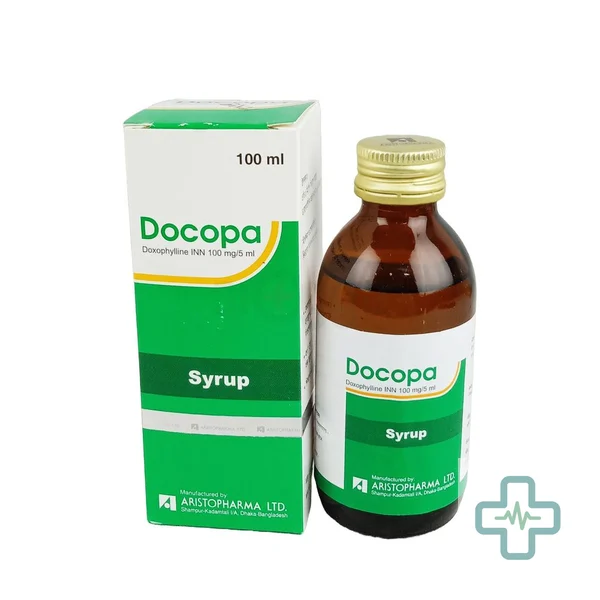
Docopa 100 mg/5 ml Syrup
Doxofylline
Aristopharma Limited
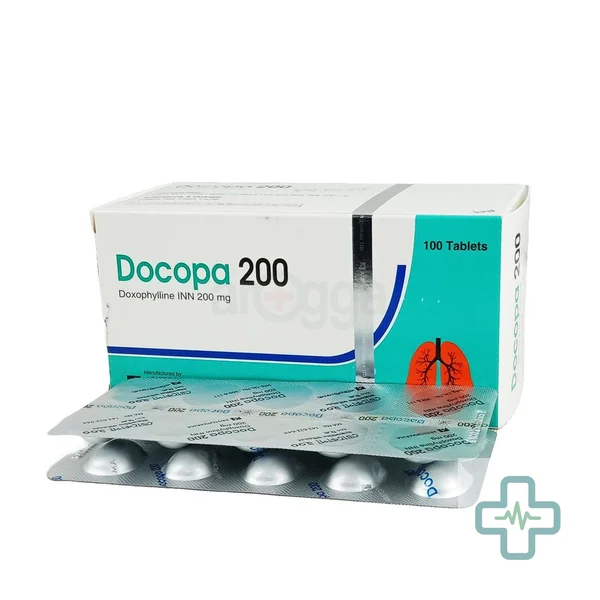
Docopa 200 mg Tablet
Doxofylline
Aristopharma Limited
Dofolin-200 mg Tablet
Doxofylline
Euro Pharma Ltd.
Dofolin-400 mg Tablet
Doxofylline
Euro Pharma Ltd.
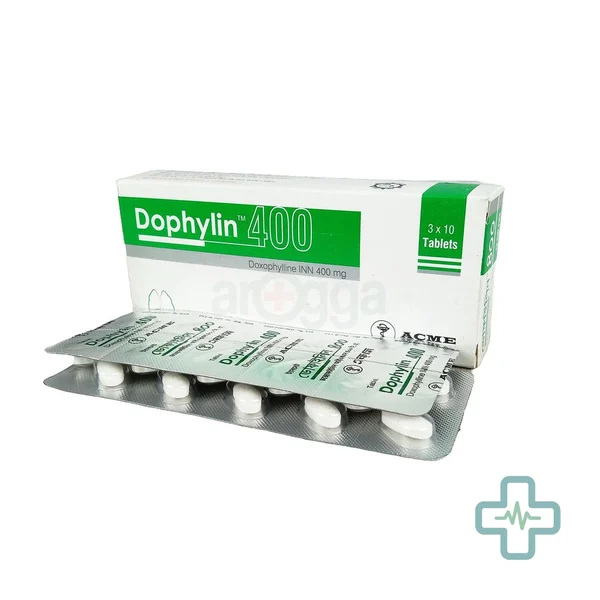
Dophylin 400 mg Tablet
Doxofylline
The ACME Laboratories Ltd.
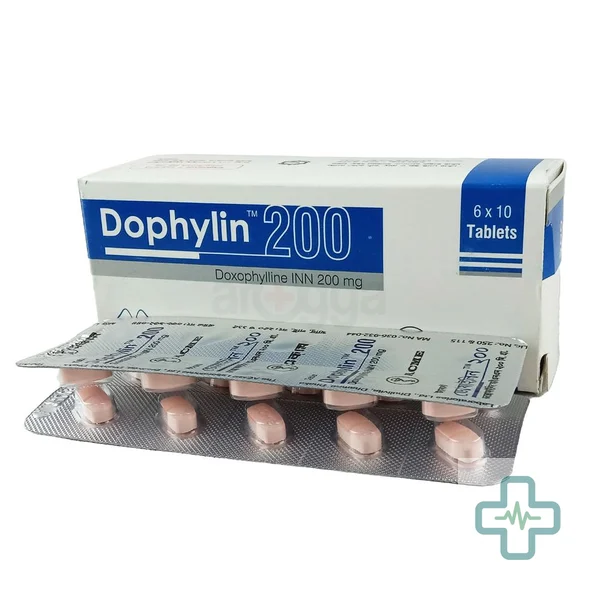
Dophylin 200 mg Tablet
Doxofylline
The ACME Laboratories Ltd.
Dophylin Oral Syrup 100 mg/5 ml
Doxofylline
The ACME Laboratories Ltd.
All Doxofylline brands (115)
- Ascova 100 mg/5 ml Syrup
- Ascova 200 mg Tablet
- Ascova 400 mg Tablet
- Asdofyl 100 mg/5 ml Syrup
- Asdofyl 200 mg Tablet
- Asdofyl 400 mg Tablet
- Asmadox 200 mg Tablet
- Axofyl 200 mg Tablet
- Axofyl 400 mg Tablet
- Bredox 200 mg Tablet
- Bredox 400 mg Tablet
- Brezofil 200 mg Tablet
- Brezofil 400 mg Tablet
- Brezofil 400 SR Tablet
- Copadox 400 mg Tablet
- Dioxovia 200 mg Tablet
- Docopa 100 mg/5 ml Syrup
- Docopa 200 mg Tablet
- Docopa 400 mg Tablet
- Dofolin-200 mg Tablet
- Dofolin-400 mg Tablet
- Dophylin 200 mg Tablet
- Dophylin 400 mg Tablet
- Dophylin Oral Syrup 100 mg/5 ml
- Doxair 100 mg/5 ml Syrup
- Doxair 200 mg Tablet
- Doxecure 200 mg Tablet
- Doxiflo 200 mg Tablet
- Doxiflo 400 mg Tablet
- Doximar 100 mg/5 ml Syrup
- Doximar 200 mg Tablet
- Doximar 400 mg Tablet
- Doxinex 200 mg Tablet
- Doxiva 100 mg/5 ml Syrup
- Doxiva 200 mg Tablet
- Doxobid 200 mg Tablet
- Doxobid 400 mg Tablet
- Doxobron 100 mg/5 ml Syrup
- Doxochem 400 mg Tablet
- Doxocontin 400 mg Tablet
- Doxofast-200 mg Tablet
- Doxofast-400 mg Tablet
- Doxofree 200 mg Tablet
- Doxofree Tablet 400 mg
- Doxofyl 200 mg Tablet
- Doxofyl SR 400 mg Sr Tablet
- Doxofylline -200 mg Tablet
- DOXOFYLLINE 400 mg Tablet
- Doxolar 200 Tablet
- Doxolar 400 mg Tablet
- Doxoma 100 mg/5 ml Syrup
- Doxoma 200 mg Tablet
- Doxoma 400 mg Tablet (Drug International)
- Doxoma-400 mg Tablet (Drug International, Gopalpur)
- Doxomate 200 mg Tablet
- Doxomate 400 mg Tablet
- Doxonil 100 mg/5 ml Syrup
- Doxonil 400 mg Tablet
- Doxonorm 200 mg Tablet
- Doxopa 200 mg Tablet
- Doxopa 400 mg Tablet
- Doxorif 100 mg/5 ml Syrup
- Doxorif 200 mg Tablet
- Doxorif 400 mg Tablet
- Doxorin 100 mg/5 ml Syrup
- Doxorin 200 mg Tablet
- Doxorin 400 mg Tablet
- Doxorin SR 400 mg Sr Tablet
- Doxotas 200 mg Tablet
- Doxotas 400 mg Tablet
- Doxoven 100 mg/5 ml Syrup
- Doxoven 200 mg Tablet
- Doxoven 400 mg Tablet
- Doxoven 400 SR Tablet
- Doxovia 100 ml Syrup 100 mg/5 ml
- Doxovia 400 mg Tablet
- Filodox 100 mg/5 ml Syrup
- Filodox 200 mg Tablet
- Fixolin 200 mg Tablet
- Flindof 200 mg Tablet
- Flindof 400 mg Tablet
- Freashair 400 mg Tablet
- Freeway 200 mg Tablet
- Freeway 400 mg Tablet
- Freshair 200 mg Tablet
- Freshair Syrup 100 mg/5 ml
- Medofil 200 mg Tablet
- Mucodox 200 mg Tablet
- Myxivent 400 mg Tablet
- Novetor-200 mg Tablet
- Novetor-400 mg Tablet
- Phydox 200 mg Tablet
- Phydox 400 mg Tablet
- Pulmino 400 mg Tablet
- Pulmodox 200 mg Tablet
- Pulmonaaf 400 mg Tablet
- Pulmonaaf Syrup 100 mg/5 ml
- Radifyllin 200 mg Tablet
- Soltara-200 mg Tablet
- Theodox 200 mg Tablet
- UNIFYLIN 200 mg Tablet
- UNIFYLIN 400 mg Tablet
- UNIFYLIN SYRUP 100 mg/5 ml
- Ventofylin 100 mg/5 ml Syrup
- Ventofylin 200 mg Tablet
- Ventofylin 400 mg Tablet
- Windo 200 mg Tablet
- Windo 400 mg Tablet
- Xendox 200 mg Tablet
- Xendox 400 mg Tablet
- Xiva 100 mg/5 ml Syrup
- Xiva 400 mg Tablet
- XIVA-200 mg Tablet
- Xofyl 200 mg Tablet
- Xofyl 400 mg Tablet
What is Doxofylline?
Doxofylline is a bronchodilator (xanthine derivative) medicine available in Bangladesh under many brand names. Below are its uses, side effects and precautions — and every brand with its current price.
What is Doxofylline used for?
- Bronchial asthma (maintenance treatment)
- Chronic obstructive pulmonary disease (COPD)
- Chronic bronchitis with airway narrowing
- Breathlessness and wheezing associated with reversible airway obstruction
Side Effects
Doxofylline is generally better tolerated than theophylline. Possible side effects include nausea, stomach discomfort, headache, dizziness, and mild sleep disturbance or irritability. Palpitations and fast heartbeat can occur but are less frequent than with older xanthines. High doses may cause vomiting or tremor. Stop the medicine and contact a doctor if you develop severe palpitations, chest pain, persistent vomiting, or any seizure-like activity.
Precautions & Warnings
Use doxofylline with caution in heart disease, high blood pressure, hyperthyroidism, peptic ulcer, epilepsy, and liver or kidney impairment — dose adjustment may be needed. Limit heavy tea, coffee, and energy drinks, which add xanthine-like load. Fever, viral illness, and smoking status can change how the body handles xanthines, so inform your doctor of any major changes. Remember it does not replace inhaled steroids or your reliever inhaler; continue them as prescribed.
Drug Interactions
Erythromycin, clarithromycin, ciprofloxacin, cimetidine, and allopurinol can raise doxofylline levels and increase side effects. Rifampicin, phenytoin, carbamazepine, and smoking can lower its levels. Avoid taking it together with other xanthines such as theophylline or aminophylline — the effects add up. Caution is needed with ephedrine and other stimulant sympathomimetics. Flu vaccination or active viral infection may also alter xanthine handling. Tell your doctor about every medicine you use.
Contraindications
Doxofylline is contraindicated in people hypersensitive to doxofylline or other xanthine derivatives, in acute myocardial infarction (recent heart attack), in significant low blood pressure, and during breastfeeding unless a doctor advises otherwise. It should not be relied on to treat an acute asthma attack — fast-acting inhaled relievers and emergency care are needed for that.
Pregnancy & Lactation
Pregnancy: Safety in pregnancy has not been established, so doxofylline should be used only if the doctor judges the benefit clearly outweighs the risk, generally avoiding the first trimester. Lactation: Xanthines pass into breast milk and may make the baby irritable; use during breastfeeding is generally not recommended unless the doctor advises it. Discuss your asthma treatment plan with your doctor if you are pregnant or breastfeeding.
Storage
Store below 30°C in a dry place, protected from light and moisture. Keep tablets in the original pack and out of the reach of children. Do not use after the expiry date printed on the package.
Frequently asked questions about Doxofylline
How is Doxofylline different from theophylline?
Can Doxofylline stop a sudden asthma attack?
Can I drink tea or coffee while taking Doxofylline?
General information about Doxofylline, written from a shared template for every medicine with this ingredient by the ChamberBD content team. This page has not been individually reviewed by a clinician and does not replace a doctor's advice — always follow your doctor's prescription.