
Generic
Domperidone
Brand medicines containing Domperidone available in Bangladesh — compare prices, strengths and manufacturers.
Domperidone brands in Bangladesh
Showing 1–24 of 235 medicines
Adegut 10 mg Tablet
Domperidone
Supreme Pharmaceuticals Ltd.

Adegut 5 mg/5 ml Suspension
Domperidone
Supreme Pharmaceuticals Ltd.
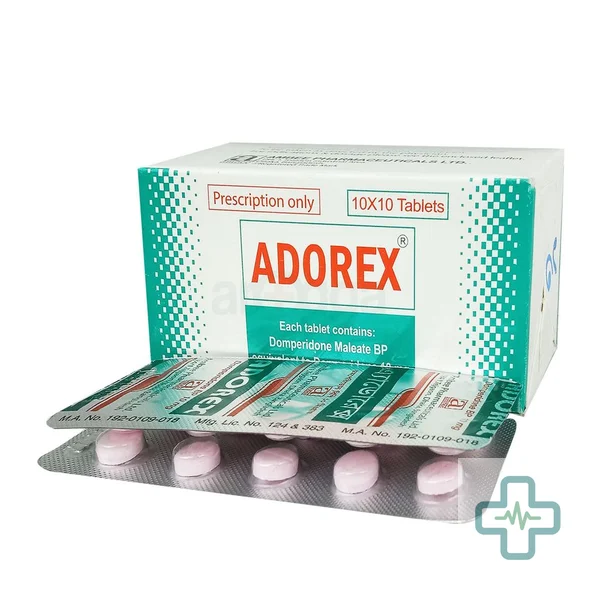
Adorex 10 mg Tablet
Domperidone
Ambee Pharmaceuticals Ltd.
Adorex 5 mg/5 ml Suspension
Domperidone
Ambee Pharmaceuticals Ltd.
Adorex 5 mg/ml Paediatric Drops
Domperidone
Ambee Pharmaceuticals Ltd.

Almigut 10 mg Tablet
Domperidone
Al-Madina Pharmaceuticals Ltd.

Anet 10 mg Tablet
Domperidone
Kemiko Pharmaceuticals Ltd.

Anet 5 mg/5 ml Suspension
Domperidone
Kemiko Pharmaceuticals Ltd.

Apedom 10 mg Tablet
Domperidone
Apollo Pharmaceutical Laboratories Ltd.

Apedom 5 mg/5 ml Suspension
Domperidone
Apollo Pharmaceutical Laboratories Ltd.
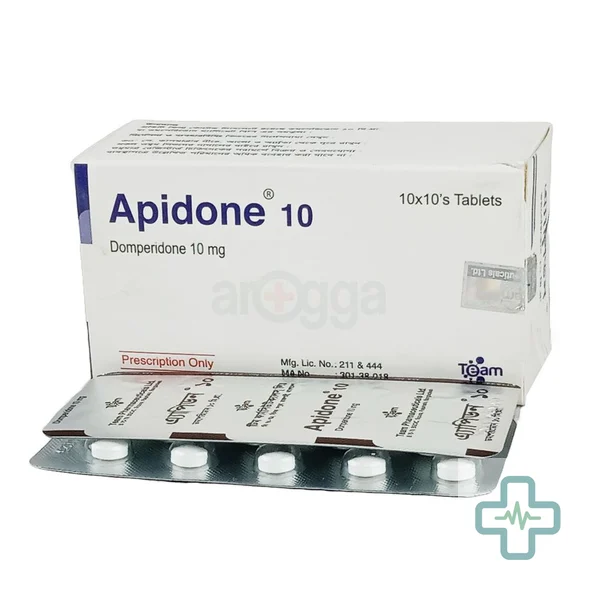
Apidone 10 mg Tablet
Domperidone
Team Pharmaceuticals Ltd.

Apidone 5 mg/5 ml Suspension
Domperidone
Team Pharmaceuticals Ltd.
Apuldon 15 mg Suppository
Domperidone
Aristopharma Limited
Apuldon 30 mg Suppository
Domperidone
Aristopharma Limited
Apuldon 5 mg/ml Paediatric Drops
Domperidone
Aristopharma Limited

Atidon 10 mg Tablet
Domperidone
Asiatic Laboratories Ltd.
Atidon 5 mg/5 ml Suspension
Domperidone
Asiatic Laboratories Ltd.

Avomit 10 mg Tablet
Domperidone
Chemist Laboratories Ltd.

Avomit 5 mg/5 ml Suspension
Domperidone
Chemist Laboratories Ltd.

Bedom 10 mg Tablet
Domperidone
Bengal Drugs & Chemical Works Pharm. Ltd.

Bedom 5 mg/5 ml Suspension
Domperidone
Bengal Drugs & Chemical Works Pharm. Ltd.
Bedon 10 mg Tablet
Domperidone
Bengal Techno Pharma Ltd.
Bedon 5 mg/5 ml Suspension
Domperidone
Bengal Techno Pharma Ltd.
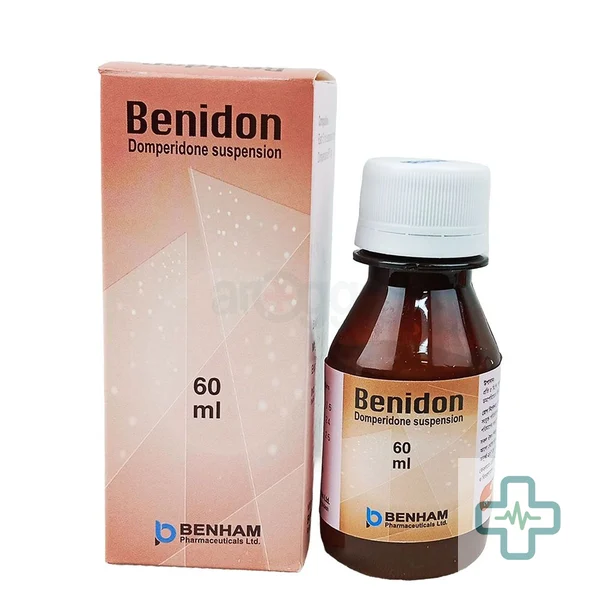
Benidon 5 mg/5 ml Suspension
Domperidone
Benham Pharmaceuticals Ltd.
All Domperidone brands (235)
- Adegut 10 mg Tablet
- Adegut 5 mg/5 ml Suspension
- Adorex 10 mg Tablet
- Adorex 5 mg/5 ml Suspension
- Adorex 5 mg/ml Paediatric Drops
- Almigut 10 mg Tablet
- Anet 10 mg Tablet
- Anet 5 mg/5 ml Suspension
- Apedom 10 mg Tablet
- Apedom 5 mg/5 ml Suspension
- Apidone 10 mg Tablet
- Apidone 5 mg/5 ml Suspension
- Apuldon 15 mg Suppository
- Apuldon 30 mg Suppository
- Apuldon 5 mg/ml Paediatric Drops
- Atidon 10 mg Tablet
- Atidon 5 mg/5 ml Suspension
- Avomit 10 mg Tablet
- Avomit 5 mg/5 ml Suspension
- Bedom 10 mg Tablet
- Bedom 5 mg/5 ml Suspension
- Bedon 10 mg Tablet
- Bedon 5 mg/5 ml Suspension
- Benidon 5 mg/5 ml Suspension
- Bpdon 10 mg Tablet
- Cosy 10 mg Tablet
- Cosy 5 mg/5 ml Suspension
- Dedom 10 mg Tablet
- Dedom 5 mg/5 ml Suspension
- Deflux 10 mg Tablet
- Deflux 5 mg/5 ml Suspension
- Deflux 5 mg/ml Paediatric Drops
- Deflux Meltab 10 mg Dispersible Tablet
- Degut 10 mg Tablet
- Degut 5 mg/ml Paediatric Drops
- Deno 10 mg Tablet
- Depidon 10 mg Tablet
- Dno 10 mg Sachet
- Dom 10 mg Tablet
- Dom 5 mg/5 ml Suspension
- Domaid 5 mg/5 ml Suspension
- Domar 10 mg Tablet
- Domar 5 mg/5 ml Suspension
- Domebex 10 mg Tablet
- Domee 10 mg Tablet
- Domerin 10 mg Tablet
- Domerin 5 mg/5 ml Suspension
- DOMERIN10 10 mg Tablet
- Domesic 10 mg Tablet
- Dometic 10 mg Tablet
- Dometic 5 mg/5 ml Suspension
- Domfast 10 mg Dispersible Tablet
- Domfix 10 mg Tablet
- Domidon 10 mg Tablet
- Domigut 10 mg Tablet
- DOMILIN 10 mg Tablet
- Domilin 5 mg/5 ml Suspension
- Domilux 10 mg Tablet
- Domilux 5 mg/5 ml Suspension
- Domilux Peditric Drops 5 mg/ml Paediatric Drops
- Domimed 10 mg Tablet
- Domimed 5 mg/5 ml Suspension
- Domin 10 mg Tablet
- Domin 15 mg Suppository
- Domin 30 mg Suppository
- Domin 5 mg/5 ml Suspension
- Domin 5 mg/ml Paediatric Drops
- Domin EF 10 mg Sachet
- Dominaaf 10 mg Tablet
- Dominaaf 5 mg/5 ml Suspension
- Dominaaf 5 mg/ml Paediatric Drops
- Dominat 10 mg Tablet
- Dominat 5 mg/5 ml Suspension
- Dominol 10 mg Tablet
- Dominol 5 mg/5 ml Suspension
- Dominol 5 mg/ml Paediatric Drops
- Domiper 10 mg Tablet
- Domiren 10 mg Tablet
- Domiren 5 mg/5 ml Suspension
- Domiren 5 mg/ml Paediatric Drops
- Domixon 10 mg Tablet
- Domon 10 mg Tablet
- Domp 5 mg/5 ml Suspension
- Dompa 10 mg Tablet
- Dompa 5 mg/5 ml Suspension
- Dompen 10 mg Tablet
- Domperid 10 mg Tablet
- Domperid 5 mg/5 ml Suspension
- Domperidon 10 mg Tablet
- Domperidone 10 mg Tablet
- Domperon 10 mg Tablet
- Domperon 5 mg/5 ml Suspension
- Dompi 10 mg Tablet
- Dompidox 10 mg Tablet
- Domsil 5 mg/5 ml Suspension
- Domstal 10 mg Tablet
- Domstal 5 mg/5 ml Suspension
- Domtec 5 mg/5 ml Suspension
- Don 10 mg Tablet
- Don 15 mg Suppository
- Don 30 mg Suppository
- Don 5 mg/5 ml Suspension
- Don 5 mg/ml Paediatric Drops
- Don-A 10 mg Tablet
- Dopad pon 10 mg Tablet
- Dopadon 10 mg Tablet
- Dopadon 5 mg/ml Paediatric Drops
- Dopatic 10 mg Tablet
- Dopatic Oral 5 mg/5 ml Suspension
- Doperon 10 mg Tablet
- Doperon 5 mg/5 ml Suspension
- Dopon 10 mg Tablet
- Doridon 10 mg Tablet
- Doridon 5 mg/ml Paediatric Drops
- Dudon 10 mg Tablet
- Dudon 5 mg/5 ml Suspension
- Dysnov 5 mg/5 ml Suspension
- Dysnov 5 mg/ml Paediatric Drops
- Edone 10 mg Tablet
- Edone 5 mg/5 ml Suspension
- Edone-S 10 mg Sachet
- Efodio 10 mg Tablet
- Efodio 5 mg/5 ml Suspension
- Egut 10 mg Tablet
- Egut 5 mg/5 ml Suspension
- Egut 5 mg/ml Paediatric Drops
- Emedon 10 mg Tablet
- Emidom 10 mg Tablet
- Emidom 5 mg/5 ml Suspension
- Emidom 5 mg/ml Paediatric Drops
- Emperidon Tablet 10 mg
- Eridon 10 mg Tablet
- Eridon 5 mg/5 ml Suspension
- Esogut 10 mg Tablet
- Esogut 5 mg/ml Paediatric Drops
- Evdom 5 mg/5 ml Suspension
- Fixgut 10 mg Tablet
- Gardi 10 mg Tablet
- Gidonic 10 mg Tablet
- Gidonic Suspension 5 mg/5 ml
- Gidora 10 mg Tablet
- Gidora 5 mg/5 ml Suspension
- Gutset 10 mg Tablet
- Gutset 5 mg/5 ml Suspension
- Gutset 5 mg/ml Paediatric Drops
- Inodon 10 mg Tablet
- Inodon 5 mg/5 ml Suspension
- Loridon 10 mg Tablet
- Loridon 5 mg/5 ml Suspension
- Loridon 5 mg/ml Paediatric Drops
- Loval 10 mg Tablet
- Loval 5 mg/5 ml Suspension
- Merin 10 mg Tablet
- Merin 5 mg/5 ml Suspension
- Milium 10 mg Tablet
- Moticare 10 mg Tablet
- Motidom 10 mg Tablet
- Motifast 10 mg Tablet
- Motigen 10 mg Tablet
- Motigut 10 mg Tablet
- Motigut 5 mg/5 ml Suspension
- Motigut 5 mg/ml Paediatric Drops
- Motil 10 mg Tablet
- Motil 5 mg/5 ml Suspension
- Motilant 10 mg Tablet
- Motilant 5 mg/5 ml Suspension
- Motilex 10 10 mg Tablet
- Motilex 10 mg Tablet
- Motilex 5 mg/5 ml Suspension
- Motilium 10 mg Tablet
- Motilium 5 mg/5 ml Suspension
- Motiper 10 mg Tablet
- Motiper 5 mg/5 ml Suspension
- Motireg 10 mg Tablet
- Motiwin 10 mg Tablet
- Motiwin 5 mg/5 ml Suspension
- Noburn 10 mg Tablet
- Noburn 5 mg/5 ml Suspension
- Normogut 10 mg Tablet
- Normogut 5 mg/5 ml Suspension
- Normogut PD 5 mg/ml Paediatric Drops
- Nudom 10 mg Tablet
- Nudon 10 mg Tablet
- Omid 10 mg Tablet
- Omid 5 mg/5 ml Suspension
- Omidon 10 mg Tablet
- Omidon 5 mg/5 ml Suspension
- Omidon 5 mg/ml Paediatric Drops
- Orbidon 10 mg Tablet
- Orbidon 5 mg/5 ml Suspension
- P Don 10 mg Tablet
- P Don 5 mg/5 ml Suspension
- Paridon 10 mg Tablet
- Paridon 15 mg Suppository
- Paridon 30 mg Suppository
- Peri 10 mg Tablet
- Perigut 10 mg Tablet
- Perion 5 mg/ml Paediatric Drops
- Peristal 10 mg Tablet
- Peristal 5 mg/5 ml Suspension
- Pradom 10 mg Tablet
- Pridon 10 mg Tablet
- Prokinet 5 mg/5 ml Suspension
- Proknet 10 mg Tablet
- Regut 10 mg Tablet
- Remadon 10 mg Tablet
- Remedon 10 mg Tablet
- Ridon 5 mg/5 ml Suspension
- Ridon EG 10 mg Sachet
- Ridon EG Effervescent Granuls 10 mg Sachet
- Ridon FC 10 mg Tablet
- Ridon ODT 10 mg Dispersible Tablet
- Sagdon 10 mg Tablet
- Sandom 10 mg Tablet
- Sandom 5 mg/5 ml Suspension
- Sandom 5 mg/ml Paediatric Drops
- SB-Dom 10 mg Tablet
- Skydon 10 mg Tablet
- Stadon 10 mg Tablet
- Sydon 10 mg Tablet
- Sydon 5 mg/5 ml Suspension
- Uldom 10 mg Tablet
- Umodin 10 mg Tablet
- Unidon 10 mg Tablet
- Vave 10 mg Dispersible Tablet
- Vave 10 mg Tablet
- Vave 5 mg/5 ml Suspension
- Vave 5 mg/ml Paediatric Drops
- Vegadon 5 mg/5 ml Suspension
- Vesidon 10 mg Tablet
- Vomitop 10 mg Tablet
- Vomitop 5 mg/5 ml Suspension
- Xemidon 10 mg Tablet
- Xeridon 10 mg Tablet
- Xeridon 5 mg/5 ml Suspension
What is Domperidone?
Domperidone is a antiemetic / prokinetic (dopamine antagonist) medicine available in Bangladesh under many brand names. Below are its uses, side effects and precautions — and every brand with its current price.
What is Domperidone used for?
- Nausea and vomiting in adults and, per doctor, in children
- Functional dyspepsia with early fullness, bloating and belching
- Gastroparesis (delayed stomach emptying), including diabetic gastroparesis
- Reflux symptoms when slow gastric emptying contributes, as judged by a doctor
- Nausea associated with some medicines, for example during migraine, when prescribed
Side Effects
Domperidone is usually well tolerated at recommended doses. Common side effects include dry mouth, headache, abdominal cramps and diarrhoea. Because it raises the hormone prolactin, some users notice breast tenderness, milk secretion or menstrual irregularity; these settle after stopping the medicine.
Rare but important effects involve the heart: domperidone can prolong the QT interval and, at high doses, in older patients or with interacting medicines, may trigger serious rhythm disturbance. Movement-related side effects such as muscle spasms or restlessness are rare, occurring mainly in children. Seek urgent care for palpitations, fainting, seizure-like episodes or severe allergic reactions.
Precautions & Warnings
Use domperidone cautiously and only under medical advice if you are over 60, have any heart disease, a history of rhythm problems or congenital long QT, or abnormal blood potassium or magnesium levels, as these increase the risk of serious arrhythmia. Tell your doctor about kidney or liver problems; doses may need reduction in kidney impairment.
Keep treatment short — typically up to one week unless your doctor specifically advises longer — and never combine it with other QT-prolonging medicines or strong CYP3A4 inhibitors. If vomiting persists, recurs or comes with severe pain, blood, drowsiness or dehydration, stop self-managing and get medical assessment promptly.
Drug Interactions
Do not take domperidone with medicines that prolong the QT interval or raise its blood level. Important examples include the antifungals ketoconazole, itraconazole, fluconazole and voriconazole; macrolide antibiotics such as erythromycin and clarithromycin; some antiarrhythmics (amiodarone); certain antipsychotics and antidepressants; and HIV protease inhibitors.
Grapefruit juice can also raise domperidone levels and is best avoided. Anticholinergic medicines may blunt its prokinetic effect, and it can alter the absorption of some other drugs by speeding stomach emptying. Always tell your doctor and pharmacist about every medicine, supplement and herbal product you use before starting domperidone.
Contraindications
Domperidone is contraindicated in people with known allergy to it, in moderate or severe liver impairment, and in anyone with existing QT prolongation, significant electrolyte disturbance or heart disease such as heart failure. It must not be combined with QT-prolonging drugs or strong CYP3A4 inhibitors such as ketoconazole or erythromycin.
It is also contraindicated where stimulating stomach movement is dangerous: gastrointestinal bleeding, mechanical obstruction or perforation. It should not be used in prolactin-secreting pituitary tumour (prolactinoma). Use in pregnancy, infants and the elderly requires specific medical judgement rather than routine use.
Pregnancy & Lactation
Pregnancy: Data on domperidone in pregnancy are limited. It should be used only when a doctor judges the expected benefit to outweigh potential risk, at the lowest dose for the shortest time. Safer-established measures for pregnancy nausea are usually preferred first.
Lactation: Small amounts pass into breast milk. Although domperidone raises prolactin, it is not an approved or routine way to increase milk supply, and infant heart-rhythm risk cannot be fully excluded. Breastfeeding mothers should use it only on medical advice, especially if the baby was premature or has heart problems.
Storage
Store below 30°C in a dry place away from direct sunlight and moisture. Keep the in its original packaging until use, and keep suspension bottles tightly closed; shake well before each use and discard as directed after opening. Keep out of the reach and sight of children. Do not use after the expiry date printed on the pack.
Frequently asked questions about Domperidone
When should I take Domperidone — before or after food?
Can I take Domperidone with my antifungal or antibiotic medicine?
General information about Domperidone, written from a shared template for every medicine with this ingredient by the ChamberBD content team. This page has not been individually reviewed by a clinician and does not replace a doctor's advice — always follow your doctor's prescription.