
Generic
Clobazam
Brand medicines containing Clobazam available in Bangladesh — compare prices, strengths and manufacturers.
Clobazam brands in Bangladesh
Showing 1–24 of 32 medicines
Ablazam 10 mg Tablet
Clobazam
Ablation Pharmaceuticals Ltd.
Anlax 10 mg Tablet
Clobazam
Sharif Pharmaceuticals Ltd.
Anxitas 10 mg Tablet
Clobazam
Kumudini Pharma Ltd.
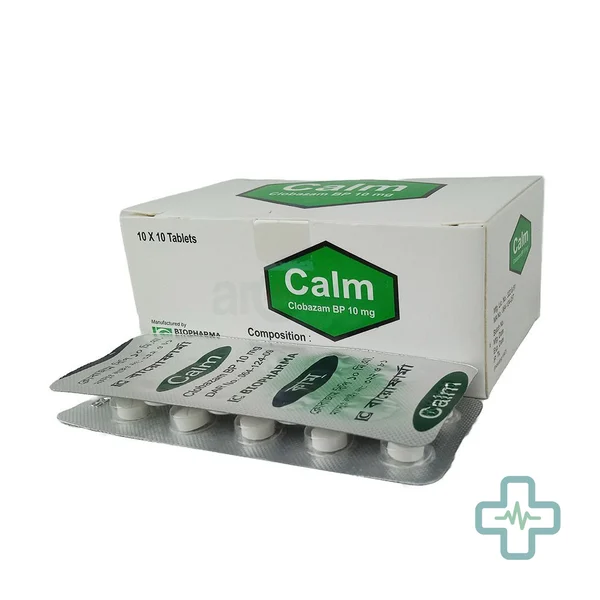
Calm 10 mg Tablet
Clobazam
Biopharma Ltd.
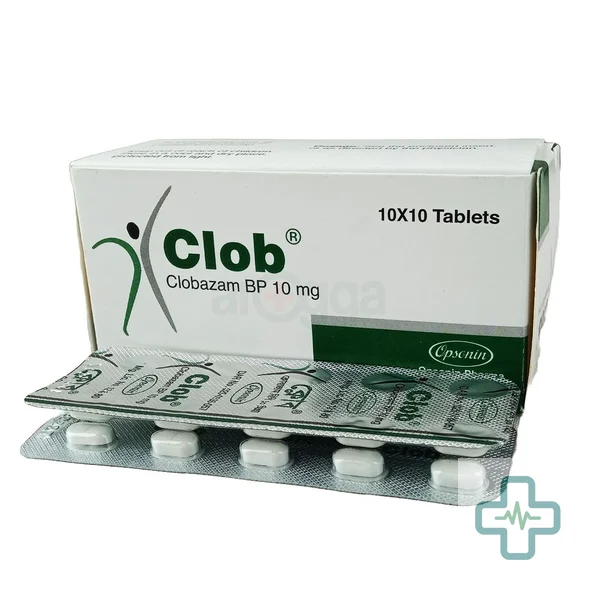
Clob 10 mg Tablet
Clobazam
Opsonin Pharma Limited
Clobam 10 mg Tablet
Clobazam
Square Pharmaceuticals PLC, Pabna
Clobazam 10 mg Tablet
Clobazam
KDH Laboratories Ltd.
Clobazin 10 mg Tablet
Clobazam
Ziska Pharmaceuticals Ltd.
Clobid 10 mg Tablet
Clobazam
Medimet Pharmaceuticals Ltd.

Clozam 10 mg Tablet
Clobazam
Navana Pharmaceuticals Ltd.

Colax 10 mg Tablet
Clobazam
Pharmadesh Laboratories Ltd.

Cosium 10 mg Tablet
Clobazam
The ACME Laboratories Ltd.
Cozam 10 mg Tablet
Clobazam
Jalalabad Pharmaceuticals Ltd.

Danium 10 mg Tablet
Clobazam
Doctor's Chemicals Works Ltd.

Detens 10 mg Tablet
Clobazam
Orion Pharma Ltd.

Ebazam 10 mg Tablet
Clobazam
Edruc Ltd.
Ficlozam 10 mg Tablet
Clobazam
Synovia Pharma PLC.

Frisium 10 mg Tablet
Clobazam
Synovia Pharma PLC.
I-Zam 10 mg Tablet
Clobazam
Indo-Bangla Pharmaceuticals Ltd.
Keolax 10 mg Tablet
Clobazam
Beximco Pharmaceuticals Ltd.

Nebium 10 mg Tablet
Clobazam
Globe Pharmaceuticals Ltd.

Noanxit 10 mg Tablet
Clobazam
Rephco Pharmaceuticals Ltd.
Noet 10 mg Tablet
Clobazam
Premier Pharmaceuticals Ltd.

Prezium 10 mg Tablet
Clobazam
Nipa Pharmaceuticals Ltd.
All Clobazam brands (32)
- Ablazam 10 mg Tablet
- Anlax 10 mg Tablet
- Anxitas 10 mg Tablet
- Calm 10 mg Tablet
- Clob 10 mg Tablet
- Clobam 10 mg Tablet
- Clobazam 10 mg Tablet
- Clobazin 10 mg Tablet
- Clobid 10 mg Tablet
- Clozam 10 mg Tablet
- Colax 10 mg Tablet
- Cosium 10 mg Tablet
- Cozam 10 mg Tablet
- Danium 10 mg Tablet
- Detens 10 mg Tablet
- Ebazam 10 mg Tablet
- Ficlozam 10 mg Tablet
- Frisium 10 mg Tablet
- I-Zam 10 mg Tablet
- Keolax 10 mg Tablet
- Nebium 10 mg Tablet
- Noanxit 10 mg Tablet
- Noet 10 mg Tablet
- Prezium 10 mg Tablet
- Procalm 10 mg Tablet
- Prozium 10 mg Tablet
- Robazam 10 mg Tablet
- Sedzam 10 mg Tablet
- Suzium 10 mg Tablet
- Tranquil 10 mg Tablet
- Trisium 10 mg Tablet
- Zium 10 mg Tablet
What is Clobazam?
Clobazam is a benzodiazepine anticonvulsant / anxiolytic medicine available in Bangladesh under many brand names. Below are its uses, side effects and precautions — and every brand with its current price.
What is Clobazam used for?
Doctors prescribe Clobazam for:
- Epilepsy — adjunctive treatment: added to other anti-seizure medicines when seizures are not fully controlled, in adults and children over a specialist-decided age, including in Lennox-Gastaut syndrome
- Catamenial (menstruation-related) seizures — sometimes used intermittently around the period, on specialist advice
- Severe acute anxiety — short-term use only, when a doctor judges a benzodiazepine necessary
Clobazam is prescription-only and, in epilepsy, should be managed by a neurologist. It is not a medicine to start, stop or adjust on your own.
Side Effects
Common side effects of Clobazam:
- Drowsiness and sedation, especially at the start and after dose increases
- Dizziness, unsteady walking and poor coordination
- Slowed reactions, difficulty concentrating
- Drooling or dry mouth, constipation
- Irritability or behaviour changes, particularly in children
- Tolerance — the effect may lessen over months in some patients
Seek urgent medical help for: severe skin rash with blisters or peeling (rare but serious reactions are reported with clobazam), breathing difficulty or very shallow breathing (especially if combined with opioids or alcohol), worsening seizures, severe confusion, or signs of dependence such as craving and self-increased doses.
Precautions & Warnings
Key precautions with Clobazam:
- Dependence warning: benzodiazepines are the most misused medicine class in Bangladesh. Even in epilepsy, where longer use is medically justified, take Clobazam only at the prescribed dose, never increase it yourself, and never share it.
- Never stop abruptly — risk of rebound seizures and withdrawal; all changes must be tapered under medical supervision.
- No alcohol — it deepens sedation and can dangerously suppress breathing.
- Driving caution: do not drive or operate machinery until you are sure of your alertness — and remember epilepsy itself carries driving restrictions.
- Tell your doctor about breathing problems, liver or kidney disease, depression, muscle weakness or any history of substance misuse.
- Report severe rash immediately, and attend regular reviews so the specialist can reassess benefit, dose and duration.
Drug Interactions
Tell your doctor about every medicine you take. Important interactions with Clobazam:
- Alcohol — markedly increases sedation and clobazam levels; strictly avoid.
- Opioid painkillers (tramadol, morphine, codeine) — combined use can severely suppress breathing.
- Other anti-epileptics — interactions with valproate, phenytoin, carbamazepine, stiripentol and cannabidiol may change drug levels; specialists adjust doses accordingly.
- Strong CYP2C19 inhibitors (such as fluconazole, fluvoxamine, omeprazole) — can raise the active metabolite of clobazam and deepen sedation.
- Other sedatives — sleeping pills, sedating antihistamines, antipsychotics and some antidepressants add to drowsiness.
Contraindications
Clobazam must not be used in:
- Allergy to Clobazam or other benzodiazepines
- Severe respiratory failure or sleep apnoea syndrome
- Myasthenia gravis
- Severe liver disease
- History of dependence on alcohol or drugs, unless within a supervised treatment programme
- For the anxiety indication, it is not used in the first trimester of pregnancy and in very young children
Specialist judgement is required in the elderly and in anyone with chronic breathing problems or depression.
Pregnancy & Lactation
Pregnancy: Clobazam should be used in pregnancy only when the specialist judges it essential — for example, when stopping it would risk uncontrolled seizures, which are themselves dangerous for mother and baby. Benzodiazepines near delivery can make the newborn floppy, sleepy and slow to feed, and regular use can cause withdrawal symptoms in the baby. Never stop abruptly on discovering a pregnancy; contact your specialist the same day to review the plan.
Breastfeeding: Clobazam passes into breast milk and may sedate the infant. Breastfeeding is generally not recommended during treatment; if it is attempted under medical advice, the baby must be watched closely for sleepiness and poor feeding.
Storage
Store Clobazam below 30°C in a dry place, away from light and moisture, in its original packaging. As a benzodiazepine with misuse potential, keep it securely stored, out of the reach of children and of anyone it was not prescribed for. Do not use after the expiry date, and return unused tablets to a pharmacy — do not keep leftovers at home or give them to others.
Frequently asked questions about Clobazam
Why must Clobazam never be stopped suddenly?
Two reasons. First, in epilepsy, abrupt withdrawal removes the seizure protection quickly and can trigger rebound seizures — sometimes prolonged, life-threatening status epilepticus. Second, after regular benzodiazepine use the brain has adapted, so sudden stopping causes withdrawal: severe anxiety, tremor, sweating, sleeplessness and occasionally confusion or seizures even in non-epileptic users. The safe approach is always a slow, planned taper over weeks, designed by your doctor. This applies even if you feel the medicine is no longer helping.
General information about Clobazam, written from a shared template for every medicine with this ingredient by the ChamberBD content team. This page has not been individually reviewed by a clinician and does not replace a doctor's advice — always follow your doctor's prescription.