
Generic
Cefuroxime
Brand medicines containing Cefuroxime available in Bangladesh — compare prices, strengths and manufacturers.
Cefuroxime brands in Bangladesh
Showing 1–24 of 311 medicines
Adetil 250 mg Tablet
Cefuroxime
Supreme Pharmaceuticals Ltd.
Adetil 500 mg Tablet
Cefuroxime
Supreme Pharmaceuticals Ltd.
Adetil 125 mg/5 ml Powder For Suspension
Cefuroxime
Supreme Pharmaceuticals Ltd.
Adrox 250 mg/5 ml Powder For Suspension
Cefuroxime
Ad-din Pharmaceuticals Ltd.
Athexim 500 mg Tablet
Cefuroxime
C2C Pharma Limited
Athexim PFS 125 mg/5 ml Powder For Suspension
Cefuroxime
C2C Pharma Limited

Axefur 125 mg/5 ml Powder For Suspension
Cefuroxime
Amulet Pharmaceuticals Ltd.

Axefur 500 mg Tablet
Cefuroxime
Amulet Pharmaceuticals Ltd.

Axet 125 mg Tablet
Cefuroxime
Orion Pharma Ltd.
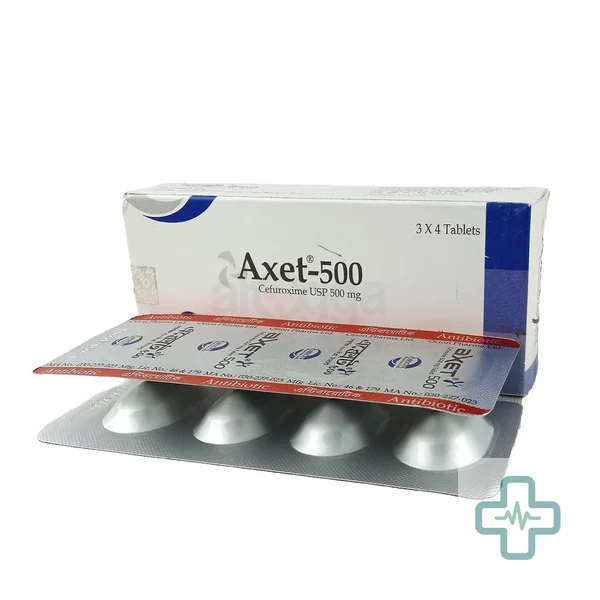
Axet 500 mg Tablet
Cefuroxime
Orion Pharma Ltd.

Axet 125 mg/5 ml Powder For Suspension
Cefuroxime
Orion Pharma Ltd.
Axet 250 mg/VIAL IV/IM Injection
Cefuroxime
Orion Pharma Ltd.
Axet 750 mg/VIAL IV/IM Injection
Cefuroxime
Orion Pharma Ltd.

Axetil 125 mg Tablet
Cefuroxime
Alco Pharma Limited

Axetil 250 mg Tablet
Cefuroxime
Alco Pharma Limited
Axibid 250 mg Tablet
Cefuroxime
Nuvista Pharma Ltd
Axibid 500 mg Tablet
Cefuroxime
Nuvista Pharma Ltd
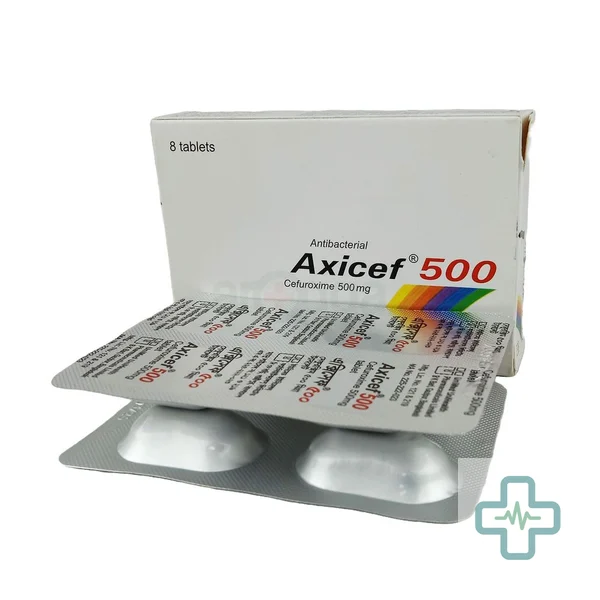
Axicef 500 mg Tablet
Cefuroxime
Unimed Unihealth Pharmaceuticals Ltd.

Axim 125 mg Tablet
Cefuroxime
Aristopharma Limited
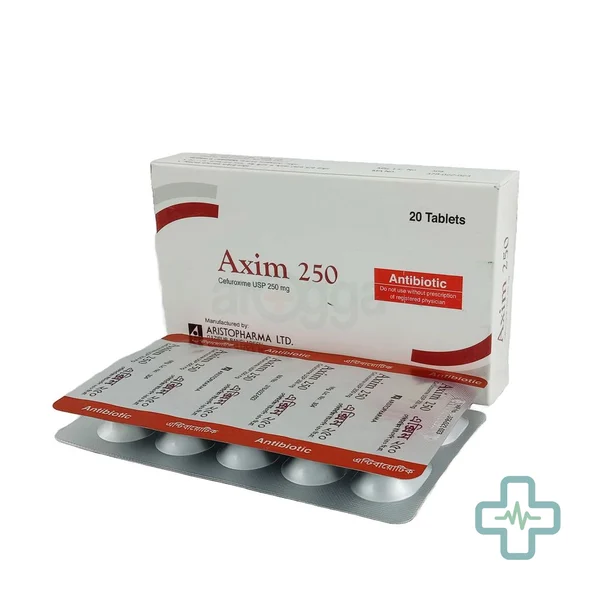
Axim 250 mg Tablet
Cefuroxime
Aristopharma Limited
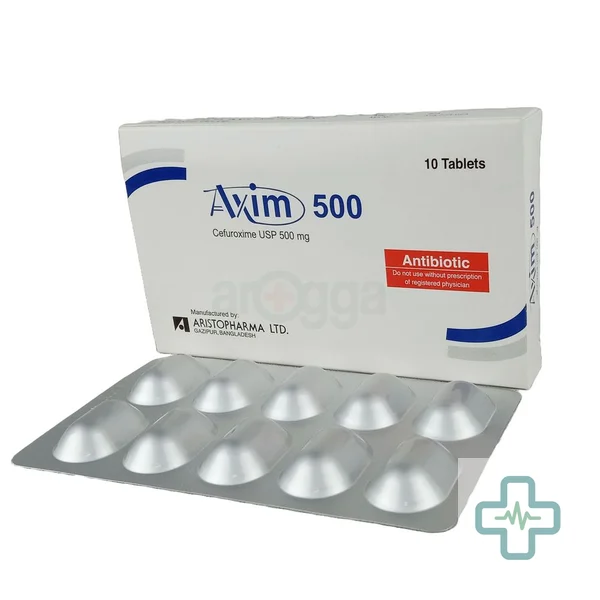
Axim 500 mg Tablet
Cefuroxime
Aristopharma Limited
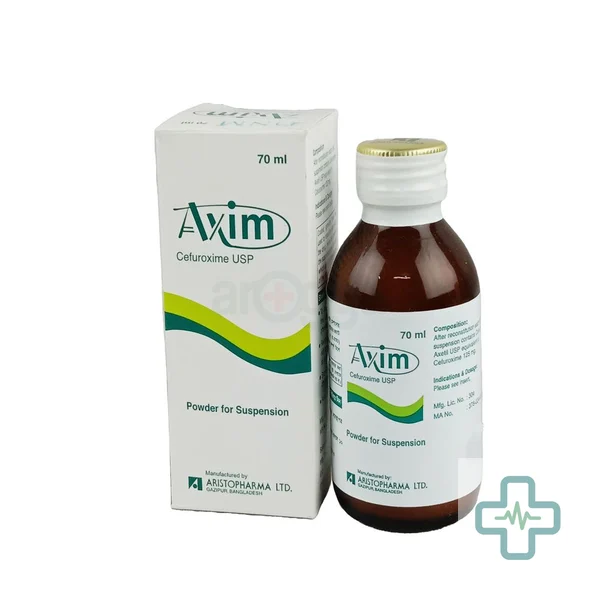
Axim 125 mg/5 ml Powder For Suspension
Cefuroxime
Aristopharma Limited
Axim 250 mg/5 ml Powder For Suspension
Cefuroxime
Aristopharma Limited
Axim 1.5 gm IV IV/IM Injection
Cefuroxime
Aristopharma Limited
All Cefuroxime brands (311)
- Adetil 125 mg/5 ml Powder For Suspension
- Adetil 250 mg Tablet
- Adetil 500 mg Tablet
- Adrox 250 mg/5 ml Powder For Suspension
- Athexim 500 mg Tablet
- Athexim PFS 125 mg/5 ml Powder For Suspension
- Axefur 125 mg/5 ml Powder For Suspension
- Axefur 500 mg Tablet
- Axet 125 mg Tablet
- Axet 125 mg/5 ml Powder For Suspension
- Axet 250 mg/VIAL IV/IM Injection
- Axet 500 mg Tablet
- Axet 750 mg/VIAL IV/IM Injection
- Axetil 125 mg Tablet
- Axetil 250 mg Tablet
- Axibid 250 mg Tablet
- Axibid 500 mg Tablet
- Axicef 500 mg Tablet
- Axim 1.5 gm IV IV/IM Injection
- Axim 125 mg Tablet
- Axim 125 mg/5 ml Powder For Suspension
- Axim 250 mg Tablet
- Axim 250 mg/5 ml Powder For Suspension
- Axim 500 mg Tablet
- Bactikil 125 mg/5 ml Powder For Suspension
- Bactikil 250 mg Tablet
- Bactikil 500 mg Tablet
- Benkill 125 mg/5 ml Powder For Suspension
- Benkill 250 mg Tablet
- Benkill 500 mg Tablet
- Cebac-A 250 mg Tablet
- Cefobac 1.5 gm/VIAL IV/IM Injection
- Cefobac 125 mg Tablet
- Cefotil 1.5 gm IV IV/IM Injection
- Cefotil 1.5 gm/VIAL IV/IM Injection
- Cefotil 125 125 mg Tablet
- Cefotil 125 mg Tablet
- Cefotil 125 mg/5 ml Powder For Suspension
- Cefotil 250 250 mg Tablet
- Cefotil 250 mg Tablet
- Cefotil 500 500 mg Tablet
- Cefotil 500 mg Tablet
- Cefotil 750 mg IV/IM Injection
- Cefotil 750 mg/VIAL IV/IM Injection
- Cefoxil 125 mg/5 ml Powder For Suspension
- Cefoxil 250 mg Tablet
- Cefoxil 500 mg Tablet
- Cefoxil Dry Vial 750 mg/VIAL IV/IM Injection
- Cefroxil 250 mg Tablet
- Cefstar 125 mg Tablet
- Cefstar 125 mg/5 ml Powder For Suspension
- Cefstar 250 mg Tablet
- Cefstar 500 mg Tablet
- Cefu 750 mg/VIAL IV/IM Injection
- Cefuact 250 mg Tablet
- Cefuact 500 mg Tablet
- Cefuact PFS 125 mg/5 ml Powder For Suspension
- Cefufine 125 mg/5 ml Powder For Suspension
- Cefufine 250 mg Tablet
- Cefufine 500 mg Tablet
- Cefunix 125 mg/5 ml Powder For Suspension
- Cefunix 250 mg Tablet
- Cefunix 500 mg Tablet
- Cefurim 125 mg Tablet
- Cefurim 125 mg/5 ml Powder For Suspension
- Cefurim 250 mg Tablet
- Cefurino 250 mg Tablet
- Cefuroxime 1.5 g IV Inj IV/IM Injection
- Cefuroxime 125 mg Tablet
- Cefuroxime 250 mg Tablet
- Cefuroxime 750 mg/VIAL IV/IM Injection
- Cefuroxime Inj. 750 mg IV/IM Injection
- Cefurxet 250 mg Tablet
- Cefuxim 125 mg/5 ml Powder For Suspension
- Cefuxim-250 mg Tablet
- Cefuxim-500 mg Tablet
- Cerox 125 mg Tablet
- Cerox 125 mg/5 ml Powder For Suspension
- Cerox 250 mg Tablet
- Cerox 500 mg Tablet
- Cerox-A 1.5 gm/VIAL IV/IM Injection
- Cerox-A DS 250 mg/5 ml Powder For Suspension
- Ceroxime 125 mg Tablet
- Ceroxime 125 mg/5 ml Powder For Suspension
- Ceroxime 250 mg Tablet
- Ceroxime 500 mg Tablet
- Ceroxime 750 mg IV/IM Injection
- Cexitil 125 mg/5 ml Powder For Suspension
- Cexitil 250 mg Tablet
- Cexitil 500 mg Tablet
- Dexatil 125 mg/5 ml Powder For Suspension
- Dexatil 250 mg Tablet
- Doctil 250 mg Tablet
- Doctil 250 mg/5 ml Powder For Suspension
- Doctil 500 mg Tablet
- Doctil 750 mg/VIAL IV/IM Injection
- Doctil Plus 125 mg/5 ml Powder For Suspension
- Eliroxime 125 mg/5 ml Powder For Suspension
- erotil 1.5 gm IV IV/IM Injection
- Eurix 500 mg Tablet
- Eurix 750 IV/IM Injection
- Famicef 1.5 gm/VIAL IV/IM Injection
- Famicef 125 mg/5 ml Powder For Suspension
- Famicef 250 mg Tablet
- Famicef 250 mg/5 ml Powder For Suspension
- Famicef 500 mg Tablet
- Fightex 250 mg Tablet
- Fightex 500 mg Tablet
- Fixcef 1.5 1.5 gm/VIAL IV/IM Injection
- Fixcef 1.5 gm/VIAL IV/IM Injection
- Fixcef 125 250 mg/5 ml Powder For Suspension
- Fixcef 125 mg/5 ml Powder For Suspension
- Fixcef 250 mg Tablet
- Fixcef 250 mg/VIAL IV/IM Injection (Navana Health Care)
- Fixcef 500 mg Tablet
- Fixcef 750 mg/VIAL IV/IM Injection
- Fixcef Plus 250 mg Tablet
- Fixcef-250 mg/VIAL IV/IM Injection (Navana Pharmaceuticals)
- Furex 1.5 gm IV/IM Injection
- Furex 125 mg/5 ml Powder For Suspension
- Furex 250 mg Tablet
- Furex 250 mg/VIAL IV/IM Injection
- Furex 500 mg Tablet
- Furex 750 mg/VIAL IV/IM Injection
- Furocef 1 gm/VIAL Injection
- Furocef 1.5 gm/VIAL IV/IM Injection
- Furocef 125 mg Tablet
- Furocef 125 mg/5 ml Powder For Suspension
- Furocef 250 mg Tablet
- Furocef 250 mg/VIAL IV/IM Injection
- Furocef 500 mg Tablet
- Furocef 750 mg/VIAL IV/IM Injection
- Furocef DS 250 mg/5 ml Powder For Suspension
- Furoget 250 mg Tablet
- Furoget 500 mg Tablet
- Furotec 125 mg/5 ml Powder For Suspension
- Furotec 500 mg Tablet
- Furotil 1.5 gm/VIAL IV/IM Injection
- Furotil 125 mg Tablet
- Furotil 125 mg/5 ml Powder For Suspension
- Furotil 250 mg Tablet
- Furotil 500 mg Tablet
- Furotil 750 mg/VIAL IV/IM Injection
- Furotil DS 250 mg/5 ml Powder For Suspension
- Furotixol 125 mg/5 ml Powder For Suspension
- Furotixol 250 mg Tablet
- Furotixol 500 mg Tablet
- Fuxtil 125 mg/5 ml Powder For Suspension
- Fuxtil 250 mg Tablet
- Fuxtil 500 mg Tablet
- Fuxtil IV 1.5gm/Vial IV/IM Injection
- Fuxtil IV/IM 750mg/Vial IV/IM Injection
- Gimrox 125 mg/5 ml Powder For Suspension
- Gimrox 250 mg Tablet
- Gimrox 500 mg Tablet
- Gimrox 750 mg IV/IM Injection
- Infanil 250 mg Tablet
- Infanil 500 mg Tablet
- Infanil PFS 125 mg/5 ml Powder For Suspension
- Kfore 125 mg/5 ml Powder For Suspension
- Kfore 250 mg Tablet
- Kfore 500 mg Tablet
- Kfore 750 mg/VIAL IV/IM Injection
- Kilbac 1.5 gm/VIAL IV/IM Injection
- Kilbac 125 mg Tablet
- Kilbac 125 mg/5 ml Powder For Suspension
- Kilbac 250 mg Tablet
- Kilbac 250 mg/5 ml Powder For Suspension
- Kilbac 250 mg/VIAL IV/IM Injection
- Kilbac 500 mg Tablet
- Kilbac 750 mg/VIAL IV/IM Injection
- Kilmax 1.5 gm/VIAL IV/IM Injection
- Kilmax 125 mg Tablet
- Kilmax 125 mg/5 ml Powder For Suspension
- Kilmax 250 mg Tablet
- Kilmax 250 mg/5 ml Powder For Suspension
- Kilmax 250 mg/VIAL IV/IM Injection
- Kilmax 500 mg Tablet
- Kilmax 750 mg/VIAL IV/IM Injection
- Lepath 250 mg Tablet
- Libotil 125 mg/5 ml Powder For Suspension
- Menat 125 mg Tablet
- Menat 125 mg/5 ml Powder For Suspension
- Menat 250 mg Tablet
- Merocef 250 mg Tablet
- Merocef 750 mg/VIAL IV/IM Injection
- Mextil 1.5 gm/VIAL IV/IM Injection
- Mextil 125 mg Tablet
- Mextil 125 mg/5 ml Powder For Suspension
- Mextil 250 mg Tablet
- Mextil 250 mg/5 ml Powder For Suspension
- Mextil 250 mg/VIAL IV/IM Injection
- Mextil 500 mg Tablet
- Mextil 750 mg/VIAL IV/IM Injection
- Mikoroxim 125 mg Tablet
- Mikoroxim 250 mg Tablet
- Oceftil 125 mg/5 ml Powder For Suspension
- Oceftil 250 mg Tablet
- Orextil 125 mg/5 ml Powder For Suspension
- Orextil 250 mg Tablet
- Orextil 500 mg Tablet
- Picocef 125 mg/5 ml Powder For Suspension
- Picocef 500 mg Tablet
- Primocef 1.5 gm/VIAL IV/IM Injection
- Primocef 125 mg/5 ml Powder For Suspension
- Primocef 250 mg Tablet
- Primocef 500 mg Tablet
- Primocef 750 mg/VIAL IV/IM Injection
- Probac 125 mg/5 ml Powder For Suspension
- Probac 250 mg Tablet
- Probac 500 mg Tablet
- Recofast 250 mg/5 ml Powder For Suspension
- Recofast 750 mg/VIAL IV/IM Injection
- Relacef 250 mg Tablet
- Relacef 500 mg Tablet
- Ricofast 125 mg Tablet
- Ricofast 250 mg Tablet
- Ricofast 500 mg Tablet
- Rofurox 125 mg/5 ml Powder For Suspension
- Rofurox 250 mg Tablet
- Rofurox 500 mg Tablet
- Roxibac 1.5 gm/VIAL IV/IM Injection
- Roxibac 250 mg Tablet
- Roxibac 500 mg Tablet
- Roxibac 750 mg/VIAL IV/IM Injection
- Roxicef 125 mg/5 ml Powder For Suspension
- Roxicil 750 mg/VIAL IV/IM Injection
- Roxilab 1.5 gm IV IV/IM Injection
- Roxilab 125 mg Tablet
- Roximax 250 mg Tablet
- Roximax 500 mg Tablet
- Roxtal 250 mg Tablet
- Roxtal 500 mg Tablet
- Secomax 250 mg Tablet
- Secomax 250 mg/5 ml Powder For Suspension
- Secomax 500 mg Tablet
- SECOXIM 250 mg Tablet
- secoxim 500 mg Tablet
- Sefur 1.5 gm/VIAL IV/IM Injection
- Sefur 125 mg Tablet
- Sefur 250 mg Tablet
- Sefur 250 mg/5 ml Powder For Suspension
- Sefur 500 mg Tablet
- Sefur 750 mg/VIAL IV/IM Injection
- Sefurox 1.5 gm/VIAL IV/IM Injection
- Sefurox 125 mg Tablet
- Sefurox 125 mg/5 ml Powder For Suspension
- Sefurox 250 mg/VIAL IV/IM Injection
- Sefurox 500 mg Tablet
- Sefurox 750 mg/VIAL IV/IM Injection
- Segorin 125 mg Tablet
- Segorin 125 mg/5 ml Powder For Suspension
- Segorin 250 mg Tablet
- Segorin 500 mg Tablet
- Sharpkil 250 mg Tablet
- Sharpkil 500 mg Tablet
- Staxim 125 mg/5 ml Powder For Suspension
- Staxim 250 mg/VIAL IV/IM Injection
- Staxim 500 mg Tablet
- Staxim 750 mg/VIAL IV/IM Injection
- Til 125 mg Tablet
- Til 125 mg/5 ml Powder For Suspension
- Til 250 mg Tablet
- TIL-750 IV/IM Injection
- Turbocef 250 250 mg Tablet
- Turbocef 250 mg Tablet
- Turbocef 250 mg/5 ml Powder For Suspension
- Turbocef 500 mg Tablet
- Turbocef 750 mg/VIAL IV/IM Injection
- Turbocil 250 mg/5 ml Powder For Suspension
- Twotil 250 mg Tablet
- Twotil 500 mg Tablet
- Urix 125 mg Tablet
- Urix 250 mg Tablet
- Uroxime 250 mg/5 ml Powder For Suspension
- Uroxime 500 mg Tablet
- Vexotil 125 mg/5 ml Powder For Suspension
- Vexotil 250 mg Tablet
- Vexotil 500 mg Tablet
- Winfax 125 mg/5 ml Powder For Suspension
- Winfax 250 mg Tablet
- Winfax 500 mg Tablet
- Xefrim 125 mg/5 ml Powder For Suspension
- Xefrim 250 mg 250 mg Tablet
- Xefrim 250 mg Tablet
- Xefrim 500 mg Tablet
- Ximetil 125 mg Tablet
- Ximetil 250 mg Tablet
- Ximetil 750 mg/VIAL IV/IM Injection
- Ximetil Powder for Suspension 125 mg/5 ml
- Ximorox 125 mg/5 ml Powder For Suspension
- Ximorox 250 mg Tablet
- Ximorox 500 mg Tablet
- Xinarox 1.5 IV IV/IM Injection
- Xinarox 250 mg Tablet
- Xinarox 500 mg Tablet
- Xinarox 750 IV/IM Injection
- Xitil 125 mg Tablet
- Xitil 250 mg Tablet
- Xitil 500 mg Tablet
- Xitil 750 mg/VIAL IV/IM Injection
- Xorimax 125 mg/5 ml Powder For Suspension
- Xorimax 250 mg Tablet
- Xorimax 500 mg Tablet
- Xtil 500 mg Tablet
- Zenifor 250 mg/5 ml Powder For Suspension
- Zenifor 500 mg Tablet
- Zerotil 125 mg/5 ml Powder For Suspension
- Zerotil 750 IV/IM Injection
- Zinacef 750 mg/VIAL IV/IM Injection
- Zinnat 500 mg Tablet
What is Cefuroxime?
Cefuroxime is a second-generation cephalosporin antibiotic medicine available in Bangladesh under many brand names. Below are its uses, side effects and precautions — and every brand with its current price.
What is Cefuroxime used for?
- Throat, tonsil, and sinus infections
- Middle-ear infections
- Bronchitis and certain chest infections
- Urinary tract infections
- Skin and soft-tissue infections
- Early Lyme disease (in regions where it occurs)
Side Effects
Cefuroxime is usually well tolerated. Possible side effects include:
- Diarrhoea, nausea, or vomiting
- Abdominal discomfort or indigestion
- Headache or dizziness
- Skin rash and, with longer use, thrush
Rarely, it may cause serious allergic reactions or severe, persistent diarrhoea due to a bowel infection. Stop Cefuroxime and seek urgent medical attention if you notice facial or throat swelling, difficulty breathing, a spreading rash, or blood in your stools.
Precautions & Warnings
Cefuroxime is a prescription-only antibiotic — never self-medicate. Take it only when prescribed by a registered doctor, and never buy it over the counter or share it. Always complete the full prescribed course, even after your symptoms improve, because stopping early allows the strongest bacteria to survive and the infection to come back harder to treat.
Tell your doctor if you are allergic to penicillin or cephalosporins, or have kidney disease or bowel problems. Antibiotic resistance is a serious national crisis in Bangladesh, and unnecessary use of cephalosporins like Cefuroxime pushes us closer to infections that no longer respond to treatment.
Drug Interactions
Tell your doctor about all the medicines you take. Important interactions with Cefuroxime include:
- Antacids and acid-reducing drugs (such as ranitidine or omeprazole) — can reduce absorption; separate the timing
- Probenecid — raises cefuroxime levels
- Warfarin — bleeding risk may increase
- Oral typhoid vaccine — may be less effective
Contraindications
Do not take Cefuroxime if you:
- Are allergic to cefuroxime or other cephalosporin antibiotics
- Have had a severe allergic reaction to penicillin
Use with caution and tell your doctor if you have kidney disease, a history of bowel disease (colitis), or are prone to allergies. Your doctor will judge whether Cefuroxime is appropriate for you.
Pregnancy & Lactation
Cefuroxime may be used in pregnancy when the doctor judges it necessary, as cephalosporins are generally considered among the safer antibiotics. Always tell your doctor if you are pregnant or planning a pregnancy.
Small amounts pass into breast milk and it is usually considered compatible with breastfeeding, though the baby may occasionally have loose stools or thrush. Discuss breastfeeding with your doctor before taking Cefuroxime.
Storage
Store Cefuroxime in a cool, dry place below 30°C, away from direct sunlight and moisture, in its original pack. Reconstituted suspension for children should be kept as advised on the label and used within the stated time. Keep all forms out of children's reach and never use the medicine after the expiry date.
Frequently asked questions about Cefuroxime
I am allergic to penicillin — can I still take Cefuroxime?
General information about Cefuroxime, written from a shared template for every medicine with this ingredient by the ChamberBD content team. This page has not been individually reviewed by a clinician and does not replace a doctor's advice — always follow your doctor's prescription.