
Generic
Carvedilol
Brand medicines containing Carvedilol available in Bangladesh — compare prices, strengths and manufacturers.
Carvedilol brands in Bangladesh
Showing 1–24 of 67 medicines
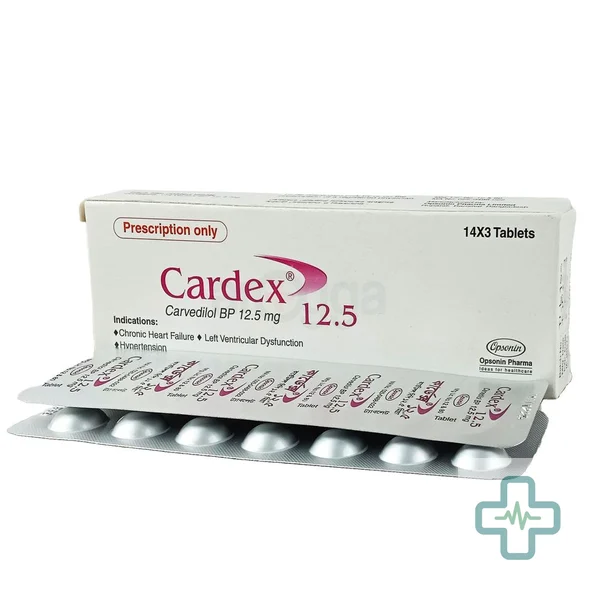
Cardex 12.5 mg Tablet
Carvedilol
Opsonin Pharma Limited
Cardex 25 mg Tablet
Carvedilol
Opsonin Pharma Limited
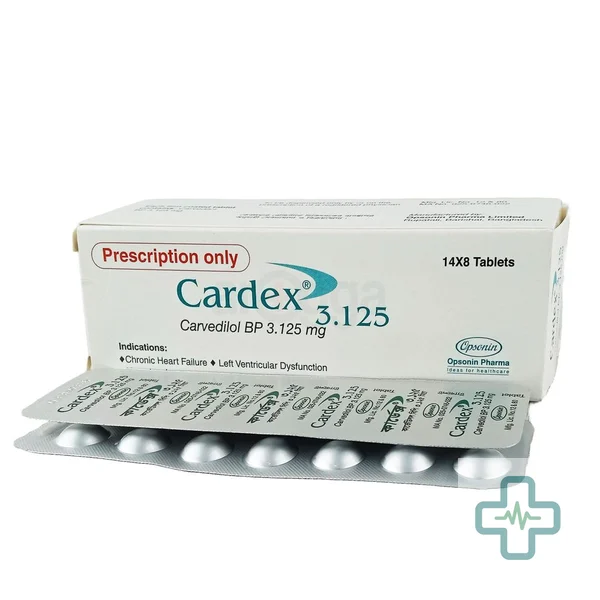
Cardex 3.125 mg Tablet
Carvedilol
Opsonin Pharma Limited
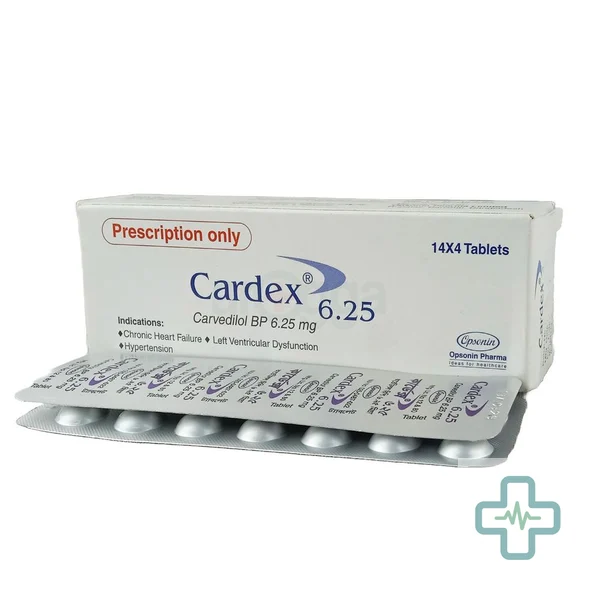
Cardex 6.25 mg Tablet
Carvedilol
Opsonin Pharma Limited
Cardivas 12.5 mg Tablet
Carvedilol
Sun Pharmaceutical (Bangladesh) Ltd.

Cardivas 6.25 mg Tablet
Carvedilol
Sun Pharmaceutical (Bangladesh) Ltd.
Cardocarv 6.25 mg Tablet
Carvedilol
Marksman Pharmaceutical Ltd.

Carved 25 mg Tablet
Carvedilol
Biopharma Ltd.
Carvedilol 3.125 mg Tablet
Carvedilol
Beximco Pharmaceuticals Ltd.

Carvetab 12.5 mg Tablet
Carvedilol
Medimet Pharmaceuticals Ltd.
Carvicard 12.5 mg Tablet
Carvedilol
Novo Healthcare and Pharma Ltd.
Carvicard 6.25 mg Tablet
Carvedilol
Novo Healthcare and Pharma Ltd.
Carvicor 12.5 mg Tablet
Carvedilol
Jenphar Bangladesh Ltd.
CArvicor 25 mg Tablet
Carvedilol
Jenphar Bangladesh Ltd.
Carvicor 6.25 mg Tablet
Carvedilol
Jenphar Bangladesh Ltd.
Carvida 12.5 mg Tablet
Carvedilol
Delta Pharma Limited
Carvida 25 mg Tablet
Carvedilol
Delta Pharma Limited
Carvida 3.125 mg Tablet
Carvedilol
Delta Pharma Limited

Carvida 6.25 mg Tablet
Carvedilol
Delta Pharma Limited
Carvidol 12.5 mg Tablet
Carvedilol
Cosmic Pharma Ltd.
Carviloc 25 mg Tablet
Carvedilol
Popular Pharmaceuticals PLC
Carviloc 6.25 mg Tablet
Carvedilol
Popular Pharmaceuticals PLC

Carvipress 12.5 mg Tablet
Carvedilol
The ACME Laboratories Ltd.

Carvipress 25 mg Tablet
Carvedilol
The ACME Laboratories Ltd.
All Carvedilol brands (67)
- Cardex 12.5 mg Tablet
- Cardex 25 mg Tablet
- Cardex 3.125 mg Tablet
- Cardex 6.25 mg Tablet
- Cardivas 12.5 mg Tablet
- Cardivas 6.25 mg Tablet
- Cardocarv 6.25 mg Tablet
- Carved 25 mg Tablet
- Carvedilol 3.125 mg Tablet
- Carvetab 12.5 mg Tablet
- Carvicard 12.5 mg Tablet
- Carvicard 6.25 mg Tablet
- Carvicor 12.5 mg Tablet
- CArvicor 25 mg Tablet
- Carvicor 6.25 mg Tablet
- Carvida 12.5 mg Tablet
- Carvida 25 mg Tablet
- Carvida 3.125 mg Tablet
- Carvida 6.25 mg Tablet
- Carvidol 12.5 mg Tablet
- Carviloc 25 mg Tablet
- Carviloc 6.25 mg Tablet
- Carvipress 12.5 mg Tablet
- Carvipress 25 mg Tablet
- Carvipress 6.25 mg Tablet
- Carvista 12.5 12.5 mg Tablet
- Carvista 12.5 mg Tablet
- Carvista 25 25 mg Tablet
- Carvista 25 mg Tablet
- Carvista 3.125 mg Tablet
- Carvista 6.25 6.25 mg Tablet
- Carvista 6.25 mg Tablet
- Cavelon 12.5 Tablet 25 mg
- Cavelon 3.125 mg Tablet
- Cavelon 3.125 Tablet
- Cavelon-12.5 mg Tablet
- Cavelon-6.25 mg Tablet
- Corel 12.5 mg Tablet
- Corel 6.25 mg Tablet
- Dilapress 25 mg Tablet
- Dilgard 12.5 mg Tablet
- Dilgard 25 mg Tablet
- Dilgard 6.25 mg Tablet
- Dilocard 12.5 mg Tablet
- Dilocard 6.25 mg Tablet
- Dilol 12.5 mg Tablet
- Dilol 6.25 mg Tablet
- Diola 6.25 mg Tablet
- Durol 12.5 mg Tablet
- Durol 25 mg Tablet
- Durol 6.25 6.25 mg Tablet
- Durol 6.25 mg Tablet
- Koreg 12.5 mg Tablet
- Koreg 25 mg Tablet
- Koreg 6.25 mg Tablet
- Raditrend 25 mg Tablet
- Raditrend 6.25 mg Tablet
- Rovedilol 12.5 mg Tablet
- Rovedilol 6.25 mg Tablet
- Ucardol 12.5 mg Tablet
- Ucardol 25 mg Tablet
- Ucardol 3.125 mg Tablet
- Vedilol 12.5 mg Tablet
- Vedilol 25 mg Tablet
- Vedilol 6.25 mg Tablet
- Vesodil 25 mg Tablet
- Vesodil 6.25 mg Tablet
What is Carvedilol?
Carvedilol is a beta-blocker (non-selective, with alpha-blocking activity) medicine available in Bangladesh under many brand names. Below are its uses, side effects and precautions — and every brand with its current price.
What is Carvedilol used for?
- Chronic heart failure — mild to severe, together with other heart failure medicines
- High blood pressure (hypertension) — alone or in combination
- After a heart attack with reduced heart pumping function (left ventricular dysfunction)
- Angina (chest pain) — in selected patients
Side Effects
Possible side effects of carvedilol include:
- Dizziness or light-headedness, especially after dose increases — usually settles in 1–2 weeks
- Tiredness, weakness, slow pulse
- Low blood pressure on standing
- Temporary fluid retention or slight weight gain when starting (in heart failure)
- Cold hands and feet, headache, nausea, diarrhoea
- Blurred vision, dry eyes
- Worsening wheeze in asthma patients
- Seek prompt care for fainting, very slow pulse, marked breathlessness or rapid swelling
Precautions & Warnings
- Monitor pulse, blood pressure and (in heart failure) daily weight; report a gain of more than 1.5–2 kg in a few days.
- Rise slowly from sitting or lying; avoid driving until dizziness settles after each dose increase.
- Tell your doctor about asthma, COPD, diabetes, liver disease, kidney disease, thyroid problems or circulation disorders.
- Diabetics: carvedilol can mask low-sugar warning signs — monitor sugar more closely.
- Wearers of contact lenses may notice dry eyes.
- Inform doctors before surgery or anaesthesia; do not stop the medicine before surgery unless instructed.
- Avoid alcohol close to dosing (especially extended-release forms) — it can speed up drug release.
Drug Interactions
- Verapamil, diltiazem: risk of very slow pulse and heart block — close monitoring needed
- Digoxin: carvedilol can raise digoxin levels and further slow the heart
- Insulin and diabetes medicines: enhanced sugar-lowering and masked hypoglycaemia symptoms
- Rifampicin: markedly reduces carvedilol levels
- Fluoxetine, paroxetine and other CYP2D6 inhibitors: may increase carvedilol effects
- Clonidine: careful sequencing needed when stopping
- Other antihypertensives, nitrates: additive pressure lowering
- NSAIDs: may blunt the blood-pressure effect
Contraindications
- Allergy to carvedilol or any component
- Acute decompensated heart failure needing intravenous medicines
- Severe asthma or history of severe bronchospasm
- Very slow pulse, sick sinus syndrome or second/third-degree heart block without a pacemaker
- Cardiogenic shock or severe symptomatic low blood pressure
- Severe liver impairment
Pregnancy & Lactation
Pregnancy: Carvedilol should be used in pregnancy only if your doctor judges the benefit outweighs the risk. Beta-blockers can slow the baby's growth and heart rate, and may cause low blood sugar in the newborn. Tell your doctor immediately if you are or plan to become pregnant — a safer alternative may be chosen.
Lactation: Small amounts may pass into breast milk. Breastfeeding is generally not recommended during treatment unless your doctor advises otherwise after weighing the benefits.
Storage
Store below 30°C in a dry place, protected from light and moisture. Keep in the original packaging and out of the reach of children. Do not use after the expiry date.
General information about Carvedilol, written from a shared template for every medicine with this ingredient by the ChamberBD content team. This page has not been individually reviewed by a clinician and does not replace a doctor's advice — always follow your doctor's prescription.