
Generic
Baclofen
Brand medicines containing Baclofen available in Bangladesh — compare prices, strengths and manufacturers.
Baclofen brands in Bangladesh
Showing 1–24 of 108 medicines
Albafen 10 mg Tablet
Baclofen
Allied Pharmaceuticals Ltd.
Albipen-10 mg Tablet
Baclofen
Albion Laboratories Ltd.
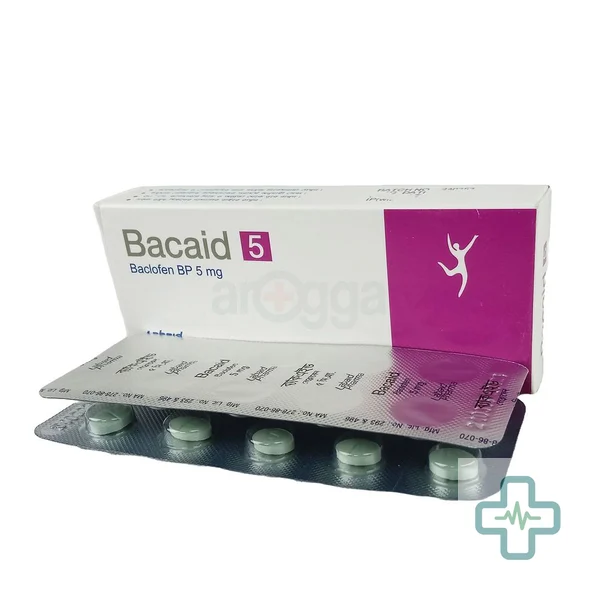
Bacaid 5 mg Tablet
Baclofen
Labaid Pharmaceuticals Ltd.
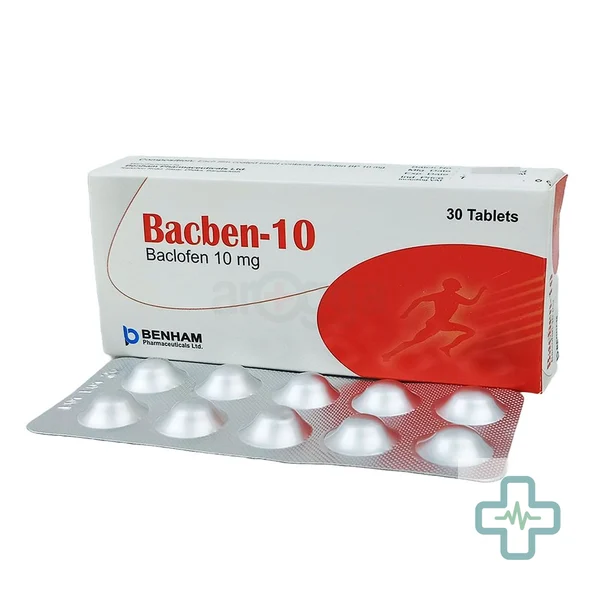
Bacben 10 mg Tablet
Baclofen
Benham Pharmaceuticals Ltd.
Bacfil-10 mg Tablet
Baclofen
Nipa Pharmaceuticals Ltd.
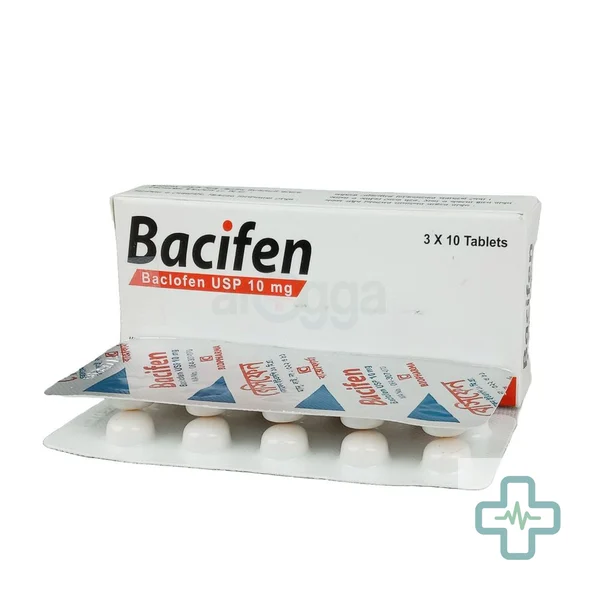
Bacifen 10 mg Tablet
Baclofen
Biopharma Ltd.
Bacifen Oral Solution 100 mg/100 ml Syrup
Baclofen
Biopharma Ltd.
Backtone 10 mg Tablet
Baclofen
Pharmacil Ltd.
Backtone 25 mg Tablet
Baclofen
Pharmacil Ltd.
Backtone 5 mg Tablet
Baclofen
Pharmacil Ltd.
Baclex 10 mg Tablet
Baclofen
Silco Pharmaceuticlas Ltd.
Baclium 10 mg Tablet
Baclofen
Virgo Pharmaceuticals Ltd.
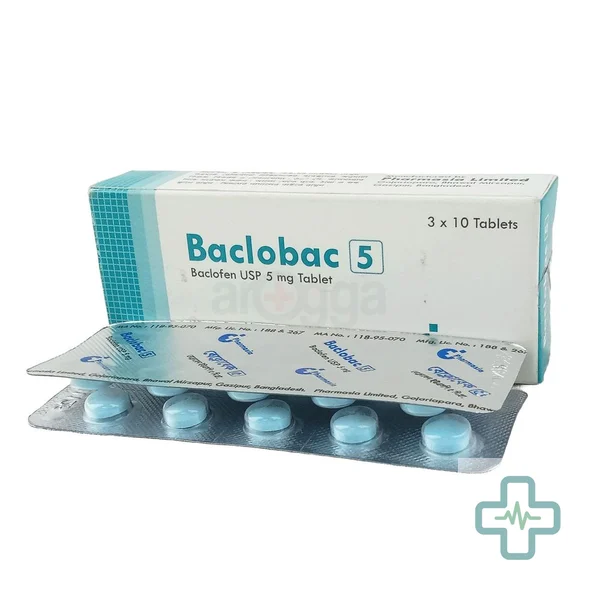
Baclobac 5 mg Tablet
Baclofen
Pharmasia Ltd.
Baclodol 10 mg Tablet
Baclofen
Astra Biopharmaceuticals Ltd.

Baclof 10 mg Tablet
Baclofen
Pacific Pharmaceuticals Ltd.
Baclofen 10 mg Tablet
Baclofen
Prime Pharmaceuticals Ltd.
Baclofen 5 mg Tablet
Baclofen
Premier Pharmaceuticals Ltd.

Bacloflex 10 mg Tablet
Baclofen
Somatec Pharmaceuticals Ltd.

Baclomark 10 mg Tablet
Baclofen
Hallmark Pharmaceuticals Ltd.
Baclomax 100 mg/100 ml Syrup
Baclofen
Veritas Pharmaceuticals Ltd.
Baclomax 10 mg Tablet
Baclofen
Veritas Pharmaceuticals Ltd.
Baclomax 5 mg Tablet
Baclofen
Veritas Pharmaceuticals Ltd.
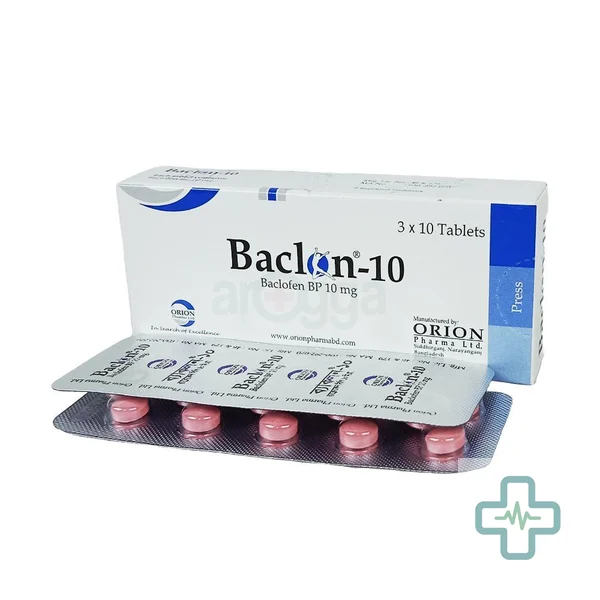
Baclon 10 mg Tablet
Baclofen
Orion Pharma Ltd.
Baclonil 10 mg Tablet
Baclofen
Silva Pharmaceuticals Ltd.
All Baclofen brands (108)
- Albafen 10 mg Tablet
- Albipen-10 mg Tablet
- Bacaid 5 mg Tablet
- Bacben 10 mg Tablet
- Bacfil-10 mg Tablet
- Bacifen 10 mg Tablet
- Bacifen Oral Solution 100 mg/100 ml Syrup
- Backtone 10 mg Tablet
- Backtone 25 mg Tablet
- Backtone 5 mg Tablet
- Baclex 10 mg Tablet
- Baclium 10 mg Tablet
- Baclobac 5 mg Tablet
- Baclodol 10 mg Tablet
- Baclof 10 mg Tablet
- Baclofen 10 mg Tablet
- Baclofen 5 mg Tablet
- Bacloflex 10 mg Tablet
- Baclomark 10 mg Tablet
- Baclomax 10 mg Tablet
- Baclomax 100 mg/100 ml Syrup
- Baclomax 5 mg Tablet
- Baclon 10 mg Tablet
- Baclonil 10 mg Tablet
- Baclonil 5 mg Tablet
- Baclosic 10 mg Tablet
- Baclovan 10 mg Tablet
- Bacmax 10 mg Tablet
- Bacmax 100 mg/100 ml Syrup
- Bacmax 5 mg Tablet
- Bacspa 10 mg Tablet
- Bacspa 5 mg Tablet
- Bactab 10 mg Tablet
- Balo 5 mg Tablet
- Balo-10 mg Tablet
- Beclovan 5 mg Tablet
- Beklo 10 mg Tablet
- Beklo 100 mg/100 ml Syrup
- Beklo 25 mg Tablet
- Beklo 5 mg Tablet
- Bfen 10 Tablet
- Bfen 5 Tablet
- C-Bac 10 mg Tablet
- Easybak 10 mg Tablet
- Ezybak 10 mg Tablet
- Felo-5 mg Tablet
- Feloson 10 mg Tablet
- Fenobac 10 mg Tablet
- Fenobac 100 mg/100 ml Syrup
- Fenobac 25 mg Tablet
- Fenobac 5 mg Tablet
- Flexibac 10 mg Tablet
- Flexibac 100 mg/100 ml Syrup
- Flexibac 25 mg Tablet
- Flexibac-5 mg Tablet
- Flexifen 10 mg Tablet
- Flexifen 25 mg Tablet
- Flexifen 5 mg Tablet
- Flexilax 10 mg Tablet
- Flexilax 5 5 mg Tablet
- Flexilax 5 mg Tablet
- Flexiril 5 mg Tablet
- Getease 10 mg Tablet
- Getease 5 mg Tablet
- Laxifen 10 mg Tablet
- Laxifen 5 mg Tablet
- Liofen 10 mg Tablet
- Liofen 5 mg Tablet
- Liorel 10 mg Tablet
- Liorel 25 mg Tablet
- Lospan 25 mg Tablet
- Lospan 5 mg Tablet
- Movibac 10 mg Tablet
- Movibac 5 mg Tablet
- Muslofen 10 mg Tablet
- Mylofen 10 mg Tablet
- Mylofen 5 mg Tablet
- Myoral 10 mg Tablet
- Myorel 25 mg Tablet
- Myorel 5 mg Tablet
- Myospa 10 mg Tablet
- Myospa 25 mg Tablet
- Priclofen 10 mg Tablet
- Reflexen 10 mg Tablet
- Reflexen 25 mg Tablet
- Relmas 10 Tablet
- Relofen 10 mg Tablet
- Rembac 10 mg Tablet
- Restobac 10 mg Tablet
- Restobac 25 mg Tablet
- SB-Beflex 10 mg Tablet
- Skelofen 10 mg Tablet
- Slaken 10 mg Tablet
- Spafen 10 mg Tablet
- Spaflex 10 mg Tablet
- Spaflex 5 mg Tablet
- Spakem 10 mg Tablet
- Spakem 25 mg Tablet
- Spakem 5 mg Tablet
- Spinafen 10 mg Tablet
- Spinafen 25 mg Tablet
- Spinax 10 mg Tablet
- Spinofen 10 mg Tablet
- Spinolex 10 mg Tablet
- Starbac 10 mg Tablet
- Starbac 5 mg Tablet
- Xanbac 10 mg Tablet
- Zerolent 10 mg Tablet
What is Baclofen?
Baclofen is a centrally acting skeletal muscle relaxant medicine available in Bangladesh under many brand names. Below are its uses, side effects and precautions — and every brand with its current price.
What is Baclofen used for?
Baclofen is used, on prescription, for conditions in which muscles become overly tight or go into spasm:
- Spasticity (muscle stiffness) from stroke, multiple sclerosis, cerebral palsy, or spinal cord injury and disease
- Painful muscle spasm associated with back pain, neck pain and other musculoskeletal problems, usually as a short course
- Chronic severe hiccups in selected cases, under specialist care
It treats the muscle tightness itself rather than ordinary pain, so it is often combined with physiotherapy and, when needed, an appropriate painkiller chosen by the doctor. Improvement is judged by easier movement and reduced spasm frequency over days to weeks.
Side Effects
Side effects are most noticeable when starting or increasing the dose:
- Common: drowsiness, dizziness, weakness or fatigue, nausea, headache, dry mouth
- Less common: low blood pressure, confusion (especially in the elderly), sleep disturbance, constipation, difficulty passing urine, mood changes
- Serious: hallucinations or seizures after abrupt withdrawal, severe muscle weakness with falls, markedly slowed breathing at high doses or when combined with sedatives
Most mild effects settle as the body adjusts over the first week or two. If drowsiness or weakness interferes with daily activities, do not stop on your own — ask the doctor to adjust the dose or schedule.
Precautions & Warnings
Observe these precautions with Baclofen:
- Expect drowsiness — avoid driving, motorcycle riding and machinery until you know your response
- Avoid alcohol and other sedating substances, which intensify sleepiness and unsteadiness
- Rise slowly from sitting or lying positions to reduce dizziness and falls, particularly if you are elderly
- Tell your doctor if you have epilepsy, kidney disease, stomach ulcers, psychiatric illness, diabetes or breathing problems
- Kidney impairment requires a much lower dose — baclofen accumulates dangerously when the kidneys are weak
- Never stop suddenly; always taper under medical guidance
- Keep physiotherapy and follow-up appointments so the dose can be matched to your progress
Drug Interactions
Baclofen interacts mainly with medicines that also calm the nervous system or lower blood pressure:
- Sedatives: sleeping pills, benzodiazepines, opioids (such as tramadol), antihistamines, antipsychotics — additive drowsiness and breathing suppression
- Alcohol — markedly increases sedation and unsteadiness; avoid it
- Blood pressure medicines — pressure may drop too far; monitoring is advised
- Tricyclic antidepressants — can exaggerate muscle weakness
- Levodopa (Parkinson's medicine) — confusion, hallucinations and agitation have been reported
- Lithium — may worsen certain movement symptoms
Give your doctor and pharmacist a complete list of all medicines, supplements and herbal products you take.
Contraindications
Do not take Baclofen if you have:
- Known allergy to baclofen or any ingredient of the product
- An active peptic (stomach or duodenal) ulcer — oral baclofen can aggravate it
Use it only with special caution and close medical supervision — never on your own — if you have epilepsy or a history of seizures, significant kidney impairment, severe psychiatric illness, severe respiratory disease, or if you are elderly and prone to falls and confusion. Baclofen is also not for children unless a specialist specifically prescribes and supervises the treatment with a carefully calculated dose.
Pregnancy & Lactation
Pregnancy: Baclofen should be used in pregnancy only if the doctor judges it clearly necessary. Babies exposed in the womb, particularly to higher maternal doses, can develop withdrawal symptoms such as tremor, irritability or, rarely, seizures after birth — so the newborn care team should be informed in advance.
Breastfeeding: Small amounts of baclofen pass into breast milk. At usual oral doses problems are uncommon, but the decision should rest with your doctor, who will weigh the benefit against any risk and may suggest watching the baby for unusual sleepiness or poor feeding. Never start, stop or change the dose yourself during pregnancy or lactation.
Storage
Store Baclofen below 30°C in the original pack, protected from light, heat and moisture. Do not keep it in damp places such as bathrooms. Keep it out of the reach and sight of children — an accidental dose that merely relaxes an adult can seriously sedate a child. Check the expiry date before each refill and do not use tablets that are broken, discoloured or past their date. Dispose of unwanted tablets safely; do not flush them down the toilet or keep them for unsupervised future use.
Frequently asked questions about Baclofen
Is Baclofen a painkiller?
Not in the usual sense. Baclofen does not block pain the way paracetamol or NSAIDs do — it relaxes overactive muscles. When pain is caused by muscle spasm or spasticity, relieving the tightness does reduce the pain, which is why it helps in neck, back and nerve-disease-related stiffness. It will not help headaches, toothaches or fever. If you need additional pain relief, ask your doctor which painkiller is safe to combine with it rather than choosing one yourself.
General information about Baclofen, written from a shared template for every medicine with this ingredient by the ChamberBD content team. This page has not been individually reviewed by a clinician and does not replace a doctor's advice — always follow your doctor's prescription.