 Chamber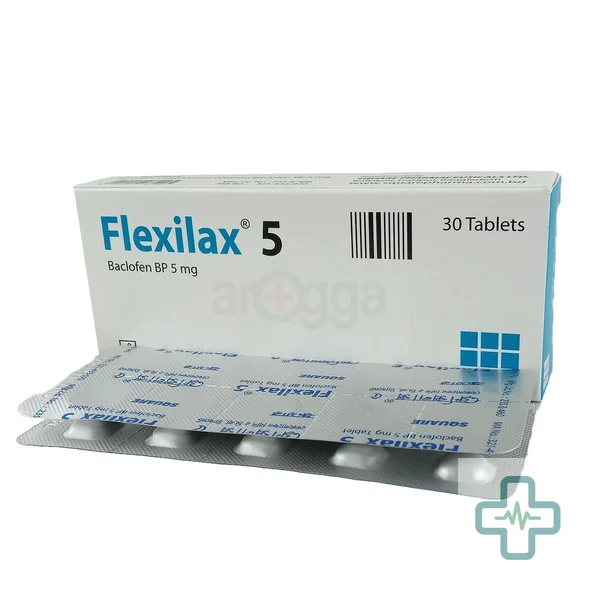
Tablet
Flexilax 5 mg Tablet
Generic: Baclofen
Manufacturer: Square Pharmaceuticals PLC, Pabna
Therapeutic class: Centrally Acting Skeletal Muscle Relaxant
What is Flexilax used for?
Flexilax 5 mg Tablet contains baclofen, a centrally acting skeletal muscle relaxant. It is used to relieve muscle stiffness, spasms, and tightness caused by conditions affecting the brain or spinal cord, such as multiple sclerosis or spinal…
Price in Bangladesh
| Pack | Price (BDT) |
|---|---|
| Per tablet | ৳ 5.50 |
| Strip of 10 | ৳ 55.00 |
Prices are indicative — actual retail price may vary by pharmacy.
What is Flexilax?
Flexilax 5 mg Tablet contains baclofen, a centrally acting skeletal muscle relaxant. It is used to relieve muscle stiffness, spasms, and tightness caused by conditions affecting the brain or spinal cord, such as multiple sclerosis or spinal cord injury.
Flexilax 5 mg tablet is manufactured and marketed by Square Pharmaceuticals PLC, Pabna in Bangladesh. It contains Baclofen, a centrally acting skeletal muscle relaxant. Doctors prescribe it to loosen abnormally tight, stiff or spasming muscles — whether from nerve-related diseases or from painful muscle spasm of the neck and back. It is a prescription medicine and is not an ordinary painkiller.
Baclofen works on GABA-B receptors in the spinal cord. By boosting this natural calming signal, it damps down the overactive nerve impulses that keep muscles contracted, so the muscles relax, stiffness eases and movement becomes more comfortable. Because this calming action also reaches the brain, drowsiness and dizziness are common, especially in the first days of treatment.
Indications
Flexilax is used, on prescription, for conditions in which muscles become overly tight or go into spasm:
- Spasticity (muscle stiffness) from stroke, multiple sclerosis, cerebral palsy, or spinal cord injury and disease
- Painful muscle spasm associated with back pain, neck pain and other musculoskeletal problems, usually as a short course
- Chronic severe hiccups in selected cases, under specialist care
It treats the muscle tightness itself rather than ordinary pain, so it is often combined with physiotherapy and, when needed, an appropriate painkiller chosen by the doctor. Improvement is judged by easier movement and reduced spasm frequency over days to weeks.
Dosage & Administration
Doses are individualised and increased slowly. A typical adult schedule:
- Starting: 5 mg three times daily, taken with food or milk
- Titration: increased gradually every three days as advised, commonly to 30–60 mg per day in divided doses
- Maximum: usually 80 mg per day, under medical supervision
Take Flexilax at evenly spaced times each day and do not change the dose yourself. Most importantly, never stop it suddenly after weeks of use — abrupt withdrawal can cause agitation, hallucinations, fever, rebound muscle stiffness and even seizures. Your doctor will taper it down over one to two weeks or longer when it is time to stop.
Side Effects
Side effects are most noticeable when starting or increasing the dose:
- Common: drowsiness, dizziness, weakness or fatigue, nausea, headache, dry mouth
- Less common: low blood pressure, confusion (especially in the elderly), sleep disturbance, constipation, difficulty passing urine, mood changes
- Serious: hallucinations or seizures after abrupt withdrawal, severe muscle weakness with falls, markedly slowed breathing at high doses or when combined with sedatives
Most mild effects settle as the body adjusts over the first week or two. If drowsiness or weakness interferes with daily activities, do not stop on your own — ask the doctor to adjust the dose or schedule.
Precautions & Warnings
Observe these precautions with Flexilax:
- Expect drowsiness — avoid driving, motorcycle riding and machinery until you know your response
- Avoid alcohol and other sedating substances, which intensify sleepiness and unsteadiness
- Rise slowly from sitting or lying positions to reduce dizziness and falls, particularly if you are elderly
- Tell your doctor if you have epilepsy, kidney disease, stomach ulcers, psychiatric illness, diabetes or breathing problems
- Kidney impairment requires a much lower dose — baclofen accumulates dangerously when the kidneys are weak
- Never stop suddenly; always taper under medical guidance
- Keep physiotherapy and follow-up appointments so the dose can be matched to your progress
Drug Interactions
Flexilax interacts mainly with medicines that also calm the nervous system or lower blood pressure:
- Sedatives: sleeping pills, benzodiazepines, opioids (such as tramadol), antihistamines, antipsychotics — additive drowsiness and breathing suppression
- Alcohol — markedly increases sedation and unsteadiness; avoid it
- Blood pressure medicines — pressure may drop too far; monitoring is advised
- Tricyclic antidepressants — can exaggerate muscle weakness
- Levodopa (Parkinson's medicine) — confusion, hallucinations and agitation have been reported
- Lithium — may worsen certain movement symptoms
Give your doctor and pharmacist a complete list of all medicines, supplements and herbal products you take.
Contraindications
Do not take Flexilax if you have:
- Known allergy to baclofen or any ingredient of the product
- An active peptic (stomach or duodenal) ulcer — oral baclofen can aggravate it
Use it only with special caution and close medical supervision — never on your own — if you have epilepsy or a history of seizures, significant kidney impairment, severe psychiatric illness, severe respiratory disease, or if you are elderly and prone to falls and confusion. Flexilax is also not for children unless a specialist specifically prescribes and supervises the treatment with a carefully calculated dose.
Pregnancy & Lactation
Pregnancy: Baclofen should be used in pregnancy only if the doctor judges it clearly necessary. Babies exposed in the womb, particularly to higher maternal doses, can develop withdrawal symptoms such as tremor, irritability or, rarely, seizures after birth — so the newborn care team should be informed in advance.
Breastfeeding: Small amounts of baclofen pass into breast milk. At usual oral doses problems are uncommon, but the decision should rest with your doctor, who will weigh the benefit against any risk and may suggest watching the baby for unusual sleepiness or poor feeding. Never start, stop or change the dose yourself during pregnancy or lactation.
Storage Conditions
Store Flexilax below 30°C in the original pack, protected from light, heat and moisture. Do not keep it in damp places such as bathrooms. Keep it out of the reach and sight of children — an accidental dose that merely relaxes an adult can seriously sedate a child. Check the expiry date before each refill and do not use tablets that are broken, discoloured or past their date. Dispose of unwanted tablets safely; do not flush them down the toilet or keep them for unsupervised future use.
Frequently Asked Questions
Does Flexilax make you sleepy?
Yes, drowsiness is one of the commonest effects of Flexilax, especially in the first days and after each dose increase. Plan to avoid driving, riding motorcycles and operating machinery until you know how strongly it affects you, and avoid alcohol completely. For many people the sleepiness lessens as the body adjusts over one to two weeks. If it remains disabling, talk to your doctor — shifting more of the dose to night-time or slowing the titration often helps.
Can I stop Flexilax suddenly when my muscles feel better?
No — this is the single most important rule with Flexilax. Stopping baclofen abruptly after weeks of regular use can cause a withdrawal reaction: agitation, confusion, hallucinations, fever, rebound muscle stiffness and even seizures. When your doctor agrees that treatment can end, the dose is reduced gradually over one to two weeks or longer. Keep taking it as prescribed in the meantime, even on days when your muscles already feel normal.
Is Flexilax a painkiller?
Not in the usual sense. Flexilax does not block pain the way paracetamol or NSAIDs do — it relaxes overactive muscles. When pain is caused by muscle spasm or spasticity, relieving the tightness does reduce the pain, which is why it helps in neck, back and nerve-disease-related stiffness. It will not help headaches, toothaches or fever. If you need additional pain relief, ask your doctor which painkiller is safe to combine with it rather than choosing one yourself.
Last updated: