
Generic
Aceclofenac
Brand medicines containing Aceclofenac available in Bangladesh — compare prices, strengths and manufacturers.
Aceclofenac brands in Bangladesh
Showing 1–24 of 128 medicines
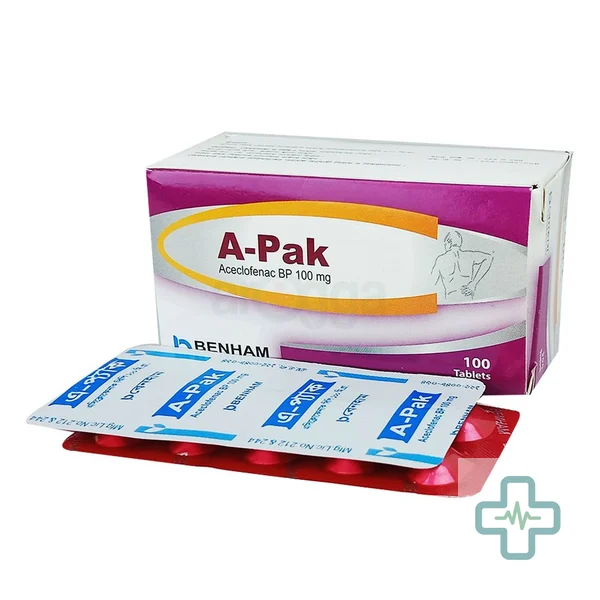
A-Pak 100 mg Tablet
Aceclofenac
Benham Pharmaceuticals Ltd.
A-Pak SR Tablet 200 mg Er Tablet
Aceclofenac
Benham Pharmaceuticals Ltd.
Ac 100 mg Tablet
Aceclofenac
Pacific Pharmaceuticals Ltd.
AC PR SR Tablet 200 mg Er Tablet
Aceclofenac
Pacific Pharmaceuticals Ltd.
Aceclocil 100 mg Tablet
Aceclofenac
Pharmacil Ltd.
Aceclof 100 mg Tablet
Aceclofenac
Premier Pharmaceuticals Ltd.
Aceclofar 100 mg Tablet
Aceclofenac
Bengal Drugs & Chemical Works Pharm. Ltd.
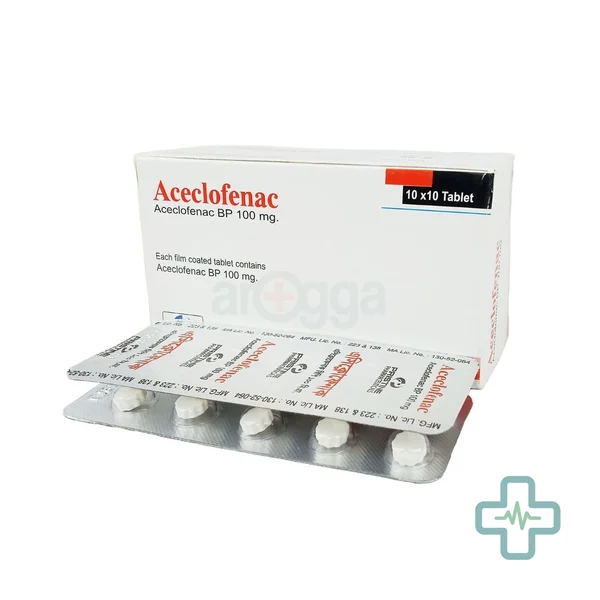
Aceclofen 100 mg Tablet
Aceclofenac
Astra Biopharmaceuticals Ltd.
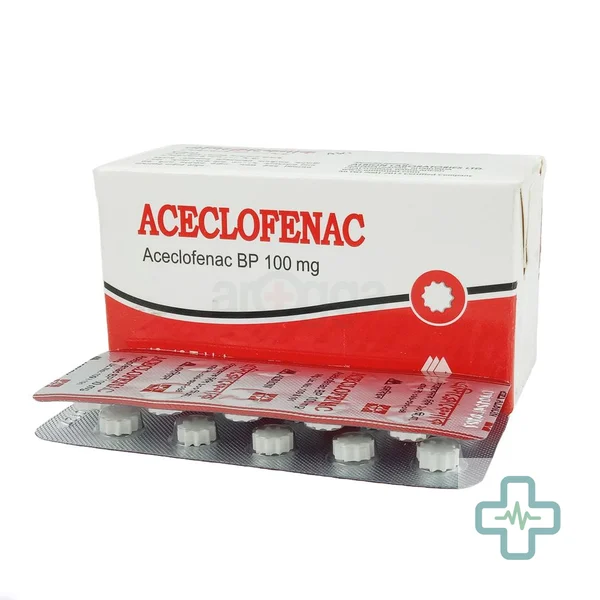
Aceclofenac 100 mg Tablet
Aceclofenac
Bengal Techno Pharma Ltd.
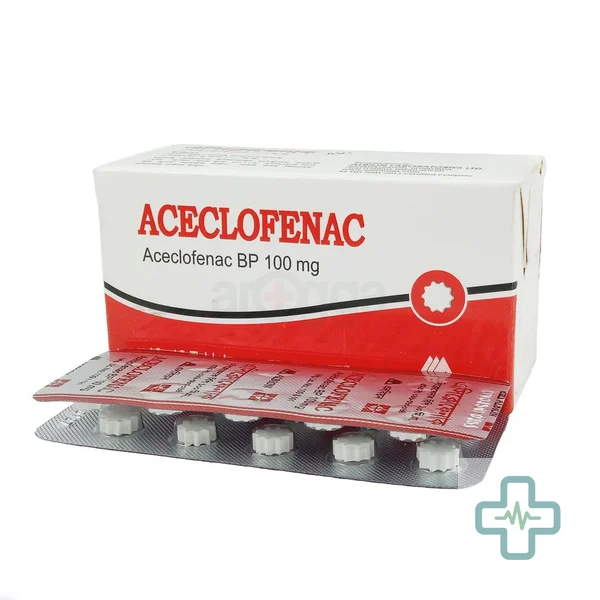
Aceclofenac 100 100 mg Tablet
Aceclofenac
Today Pharma Ltd.
Aceclofenac 200 mg Er Tablet
Aceclofenac
Pristine Pharmaceuticals
Aceclofenac SR 200 mg Er Tablet
Aceclofenac
Albion Laboratories Ltd.
Aceclofex SR 200 mg Er Tablet
Aceclofenac
SinoHealth Pharmaceuticals Ltd.

Aceclora 100 mg Tablet
Aceclofenac
Marksman Pharmaceutical Ltd.
Aceclosic 100 mg Tablet
Aceclofenac
Physic Pharmaceuticals Ltd.,
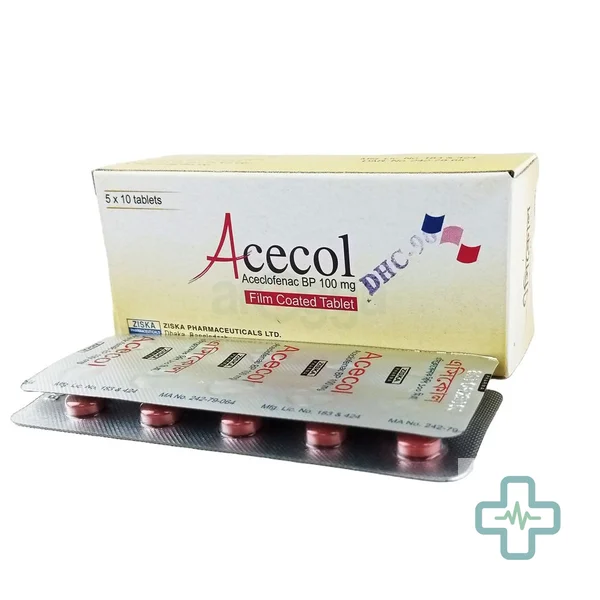
Acecol 100 mg Tablet
Aceclofenac
Ziska Pharmaceuticals Ltd.
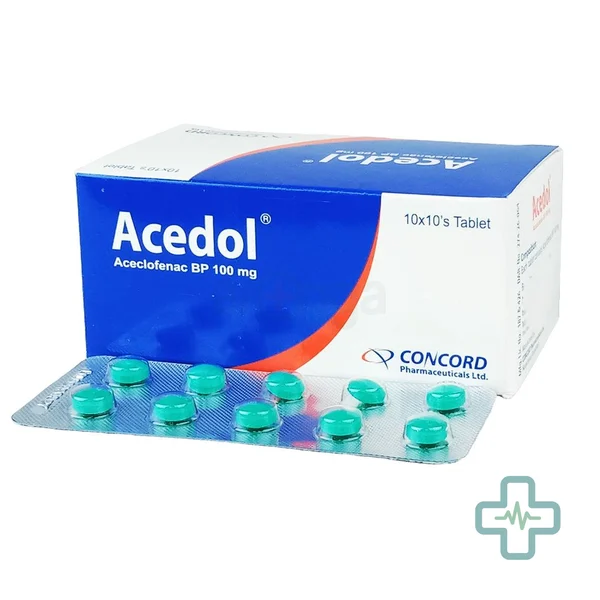
Acedol 100 mg Tablet
Aceclofenac
Concord Pharmaceuticals Ltd.
Acedol SR 200 mg Er Tablet
Aceclofenac
Concord Pharmaceuticals Ltd.
Acefenac 100 mg Tablet
Aceclofenac
General Pharmaceuticals Ltd.
Aceflex 100 mg Tablet
Aceclofenac
Maks Drugs Ltd.
Acelock 100 mg Tablet
Aceclofenac
Bristol Pharma Ltd.
Acenac 100 mg Tablet
Aceclofenac
Medicon Pharmaceuticals Ltd.
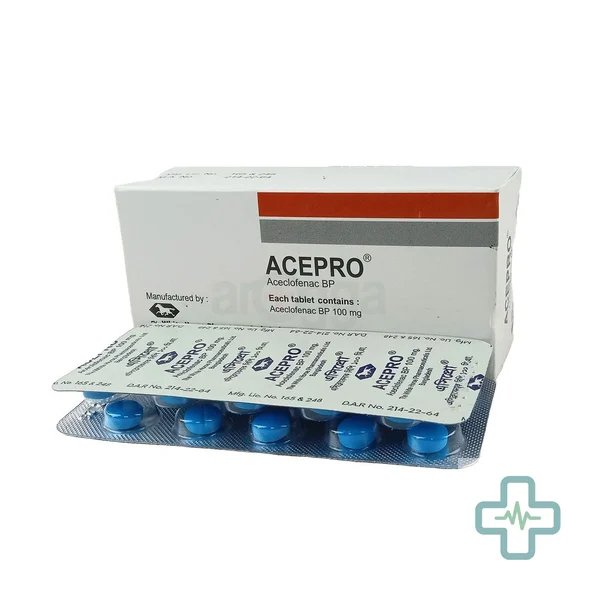
ACEPRO 100 mg Tablet
Aceclofenac
The White Horse Pharmaceuticals Ltd.
ACF 100 mg Tablet
Aceclofenac
Decent Pharma Laboratories Ltd.
All Aceclofenac brands (128)
- A-Pak 100 mg Tablet
- A-Pak SR Tablet 200 mg Er Tablet
- Ac 100 mg Tablet
- AC PR SR Tablet 200 mg Er Tablet
- Aceclocil 100 mg Tablet
- Aceclof 100 mg Tablet
- Aceclofar 100 mg Tablet
- Aceclofen 100 mg Tablet
- Aceclofenac 100 100 mg Tablet
- Aceclofenac 100 mg Tablet
- Aceclofenac 200 mg Er Tablet
- Aceclofenac SR 200 mg Er Tablet
- Aceclofex SR 200 mg Er Tablet
- Aceclora 100 mg Tablet
- Aceclosic 100 mg Tablet
- Acecol 100 mg Tablet
- Acedol 100 mg Tablet
- Acedol SR 200 mg Er Tablet
- Acefenac 100 mg Tablet
- Aceflex 100 mg Tablet
- Acelock 100 mg Tablet
- Acenac 100 mg Tablet
- ACEPRO 100 mg Tablet
- ACF 100 mg Tablet
- Aclopain 100 mg Tablet
- Aclovix 100 mg Tablet
- ACN 100 mg Tablet
- Alcefen 100 mg Tablet
- Alofen 100 mg Tablet
- Alona 100 mg Tablet
- Altraflam 100 mg Tablet
- Apeclo 100 mg Tablet
- Apeclo SR 200 mg Er Tablet
- Apitac 100 mg Tablet
- Arnac 100 mg Tablet
- Aros 100 mg Tablet
- Avenac 100 mg Tablet
- Biofenac 100 mg Tablet
- Carepain 100 mg Tablet
- Ceclofen 100 mg Tablet
- Ceclonac 100 mg Tablet
- Ceconac 100 mg Tablet
- Celofen 100 mg Tablet
- Centofane 100 mg Tablet
- Claim 100 mg Tablet
- Claim ER 200 mg Er Tablet
- Clasifen 100 mg Tablet
- Dolonac 100 mg Tablet
- Ecena 100 mg Tablet
- Ecofenac 100 mg Tablet
- Ectinac 100 mg Tablet
- El-100 mg Tablet
- Ena 100 mg Tablet
- Exipain 100 mg Tablet
- Fenaaf 100 mg Tablet
- Fixonac 100 mg Tablet
- Fleco 100 mg Tablet
- Flexi 100 mg Tablet
- Flexi SR 200 mg Er Tablet
- Flexidol 100 mg Tablet
- Flexivan 100 mg Tablet
- Flexivan ER 200 mg Er Tablet
- Freemax 100 mg Tablet
- Grofenac 100 mg Tablet
- Hifenac 100 mg Tablet
- Intas 100 mg Tablet
- Labenac SR 200 mg Er Tablet
- Lofam-100 mg Tablet
- Lofens 100 mg Tablet
- M-Fenac 100 mg Tablet
- Maclo 100 mg Tablet
- Maxpain 100 mg Tablet
- Mervan SR 200 mg Er Tablet
- Motifen 100 mg Tablet
- Movex 100 mg Tablet
- Movex SR 200 mg Er Tablet
- Nclo 100 mg Tablet
- Noak 100 mg Tablet
- Nofenac Tablet 100 mg
- Nostrin 100 mg Tablet
- Orcenac 100 mg Tablet
- Orifen 100 mg Tablet
- Ostefen 100 mg Tablet
- Ostoflex 100 mg Tablet
- Ostoflex SR 200 mg Er Tablet
- Painex 100 mg Tablet
- Painkil Sr 200 mg Er Tablet
- Painles 100 mg Tablet
- Painlock 100 mg Tablet
- Paino 100 mg Tablet
- Pankil 100 mg Tablet
- Phoenix Aceclofance 100 mg Tablet
- Polynac 100 mg Tablet
- Ponos 100 mg Tablet
- Ponos SR 200 Tablet Er Tablet
- Preservin 100 mg Tablet
- Preservin SR 200 mg Er Tablet
- Protilez 100 mg Tablet
- Rapid 100 mg Tablet
- Reofen 100 mg Tablet
- Reservix 100 mg Tablet
- Reservix SR 200 mg Er Tablet
- Reservix SR Tablet 200 mg Er Tablet
- Rheunil 100 mg Tablet
- Rolon 100 mg Tablet
- Ruclon 100 mg Tablet
- Rumac 100 mg Tablet
- SB-Acelo 100 mg Tablet
- Senac - A 100 mg Tablet
- Servex 100 mg Tablet
- Silfenac 100 mg Tablet
- Syclofen 100 mg Tablet
- Tablet Penac-AC 100 mg Tablet
- Technofen 100 mg Tablet
- Tekna 100 mg Tablet
- Ternilla 100 mg Tablet
- UAC 100 mg Tablet
- Vaxtin 100 mg Tablet
- Xe Fast 100 mg Tablet
- Xerifen 100 mg Tablet
- Xeriflam 100 mg Tablet
- Xpain 100 mg Tablet
- Xtrafen 100 mg Tablet
- Xtrafen SR 200 mg Er Tablet
- Xyfen 100 mg Tablet
- Zerodol 100 mg Tablet
- Zolfin 100 mg Tablet
- Zolonac 100 mg Tablet
What is Aceclofenac?
Aceclofenac is a non-steroidal anti-inflammatory drug (nsaid) medicine available in Bangladesh under many brand names. Below are its uses, side effects and precautions — and every brand with its current price.
What is Aceclofenac used for?
Aceclofenac is used to relieve pain and inflammation in:
- Osteoarthritis (knee, hip and other joints)
- Rheumatoid arthritis
- Ankylosing spondylitis
- Low back pain and neck pain
- Dental pain and pain after minor surgery
- Sprains, strains and sports injuries
- Period (menstrual) pain
- Frozen shoulder, tendonitis and other soft-tissue pain
It controls symptoms only; persistent or recurrent pain needs proper evaluation by a doctor to treat the underlying condition.
Side Effects
Common side effects of Aceclofenac include:
- Indigestion, stomach pain, heartburn, nausea or diarrhoea
- Dizziness or headache
- Mild rise in liver enzymes on blood tests
- Fluid retention and slightly raised blood pressure
Serious but less common: stomach or duodenal ulcer and bleeding (black stools, vomiting blood), kidney impairment, liver injury, severe skin or allergic reactions, and — with long-term high-dose use — a small increase in heart attack and stroke risk. Stop the medicine and see a doctor urgently for black stools, yellow eyes, swelling or chest pain.
Precautions & Warnings
Take these precautions with Aceclofenac:
- Always take it with food; for longer courses your doctor may add a gastric-protective medicine (PPI)
- Avoid in dengue fever or suspected dengue — like all NSAIDs it raises bleeding risk; use paracetamol for fever
- Use cautiously if elderly, or with a history of ulcer, kidney disease, heart disease, hypertension, liver disease or asthma
- Avoid while dehydrated (vomiting, diarrhoea, poor intake)
- Do not take two NSAIDs together, including over-the-counter painkillers
- On long-term treatment, get periodic checks of blood pressure, kidney function, liver enzymes and haemoglobin
Drug Interactions
Important interactions of Aceclofenac:
- Other NSAIDs and aspirin — greatly increased ulcer and bleeding risk
- Anticoagulants and antiplatelets (warfarin, clopidogrel, rivaroxaban) — higher bleeding risk
- Corticosteroids and SSRIs — added risk of stomach bleeding
- ACE inhibitors, ARBs and diuretics — combined use can harm the kidneys and weaken blood-pressure control
- Lithium, methotrexate and digoxin — aceclofenac can raise their blood levels
- Ciclosporin, tacrolimus — increased kidney toxicity
- Diabetes medicines — occasional blood-sugar fluctuations; monitor
Always give your doctor and pharmacist a full list of your medicines.
Contraindications
Do not take Aceclofenac if you have:
- Active peptic ulcer or gastrointestinal bleeding, or previous NSAID-related bleeding
- Asthma attacks, hives or allergy triggered by aspirin or other NSAIDs
- Severe heart failure, established ischaemic heart disease, cerebrovascular or peripheral arterial disease
- Severe kidney or liver impairment
- Dengue fever or suspected dengue
- The last trimester of pregnancy
- Known allergy to aceclofenac, diclofenac or any ingredient
Pregnancy & Lactation
Pregnancy: Aceclofenac should be avoided in pregnancy and is contraindicated in the last three months — like other NSAIDs it can prematurely close a vessel in the baby's heart, harm the baby's kidneys and delay labour. If pain relief is needed in pregnancy, paracetamol is the preferred choice under medical advice.
Breastfeeding: There is limited information on aceclofenac in breast milk, so it is generally not preferred during breastfeeding; doctors usually choose better-studied alternatives. Take it while nursing only if your doctor specifically advises it.
Storage
Store Aceclofenac below 30°C in a cool, dry place, protected from light and moisture. Keep tablets in the original blister pack until use. Keep all medicines out of the reach and sight of children. Do not use after the expiry date printed on the package.
Frequently asked questions about Aceclofenac
Is Aceclofenac the same as diclofenac?
They are close relatives but not identical. Aceclofenac is chemically derived from diclofenac and partly converts to diclofenac-like substances in the body, so their pain-relieving power is similar. Studies suggest aceclofenac may cause somewhat less stomach upset in many patients. However, all the major NSAID warnings — take with food, ulcer and bleeding risk, kidney and heart caution, and avoiding it in dengue — apply equally to Aceclofenac.
Can I take Aceclofenac for fever during dengue season?
No. Aceclofenac is an NSAID, and all NSAIDs should be avoided when dengue is possible because they impair platelets and increase the risk of serious bleeding. For fever in dengue season, take paracetamol within its daily limit and drink plenty of fluids. If fever lasts more than two days, or warning signs such as severe abdominal pain, vomiting, bleeding gums or black stools appear, see a doctor and get tested for dengue.
General information about Aceclofenac, written from a shared template for every medicine with this ingredient by the ChamberBD content team. This page has not been individually reviewed by a clinician and does not replace a doctor's advice — always follow your doctor's prescription.