Chamber
Viral Fever in Monsoon: Symptoms and Home Care
When the rains arrive in Bangladesh, fever spreads through almost every household. Most of these monsoon fevers are caused by viruses that pass easily in crowded, damp conditions, and they usually settle within a few days with simple care at home. The trouble is that fear often pushes families towards unnecessary antibiotics or random medicines from the local pharmacy. Knowing what a viral fever is, how to care for it safely, and when it needs testing can save you both worry and money.
What is a viral fever?
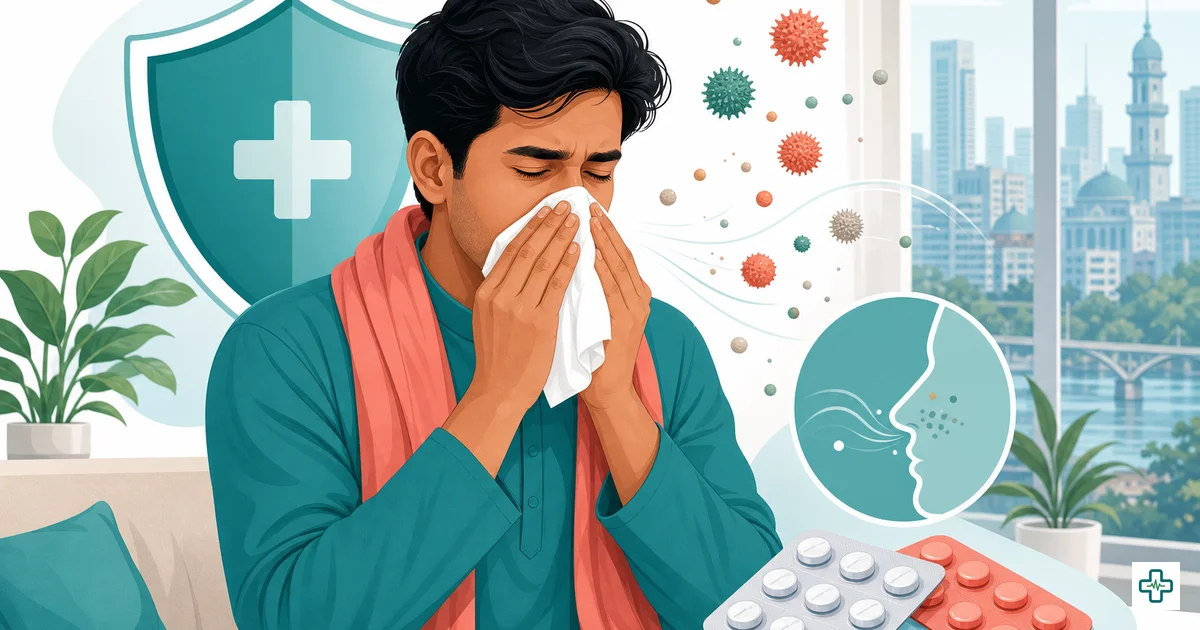
A viral fever is a rise in body temperature caused by a viral infection rather than bacteria. Many common viruses circulate more during the monsoon, including those behind the flu, the common cold, and mosquito-borne illnesses such as dengue. Because the body's immune system is fighting the virus, fever, body ache and tiredness are normal parts of recovery. Most viral fevers are self-limiting, meaning they get better on their own as the immune system clears the virus.
What are the symptoms and warning signs?
Viral fever often comes on suddenly and may bring a cluster of symptoms together. Recognising the difference between mild illness and danger signs is the most important skill.
- Fever with body ache, headache, sore throat or a runny nose.
- Tiredness, mild chills and loss of appetite for a few days.
- Sometimes a dry cough, red eyes or a light skin rash.
Warning signs that need urgent attention include very high fever that does not come down, severe or worsening headache, bleeding from the gums or nose, black or bloody stools, persistent vomiting, breathlessness, severe abdominal pain, or a fever that lasts more than three to four days.
Why do antibiotics not help?
Antibiotics only work against bacteria, so they do nothing for a viral fever. Taking them needlessly will not bring the fever down faster, but it can cause side effects and add to the serious problem of antibiotic resistance in Bangladesh. Antibiotics should only be used when a doctor confirms a bacterial infection. You can look up any prescribed medicine in our medicine directory instead of relying on guesswork at the counter.
How can you care for a viral fever at home?
Home care is the heart of treatment for an ordinary viral fever. A few steady habits help the body recover comfortably.
- Rest well and avoid heavy work or school until the fever settles.
- Drink plenty of fluids — water, fresh lime water, soup, fruit juice and oral saline (ORS) to prevent dehydration.
- Use paracetamol for fever and body ache, following the dose your doctor or pharmacist advises; you can read more about it in the medicine directory.
- Sponge the body with normal-temperature water if the fever is very high.
- Avoid aspirin and ibuprofen on your own, especially during dengue season, as they can increase bleeding risk.
Never combine several fever medicines at once, and never exceed the recommended paracetamol dose, as too much can harm the liver.
When does a fever need dengue or other testing?
During the monsoon, any fever lasting more than two to three days should make you think of dengue, especially with severe body ache, pain behind the eyes, or a rash. A simple blood test can check for dengue and other infections, and a doctor may also test for typhoid or malaria depending on your area and symptoms. Testing matters because dengue needs careful fluid management and monitoring of platelet levels. If you are unsure, it is always safer to get checked early.
When should you see a doctor?
See a doctor if the fever lasts more than three days, keeps climbing despite paracetamol, or comes with any warning sign such as bleeding, breathlessness, severe pain or confusion. Infants, elderly people, pregnant women and those with diabetes or heart disease should seek advice earlier. You can find the right physician through our list of registered doctors, and explore more health tips for monsoon illnesses. This article offers general information only and is not a substitute for advice from a qualified doctor.
Frequently Asked Questions
How long does a viral fever usually last?
Most viral fevers settle within three to five days as the immune system clears the virus. Tiredness or a mild cough can linger a little longer. A fever that lasts beyond four days, or keeps rising, should be checked by a doctor and may need a blood test.
Is paracetamol safe for fever at home?
Paracetamol is generally the safest fever medicine when taken at the correct dose and spacing. Problems arise only when it is overdosed or combined with other paracetamol-containing products. Always follow your doctor's or pharmacist's advice and never exceed the maximum daily amount.
Should I take antibiotics for a viral fever?
No. Antibiotics do not work against viruses and will not shorten a viral fever. They should only be taken when a doctor diagnoses a bacterial infection. Taking them needlessly fuels antibiotic resistance and can cause avoidable side effects.
When should I worry about dengue?
Think of dengue if a monsoon fever lasts more than two days, especially with pain behind the eyes, severe body ache, a rash, or any bleeding. A simple blood test can confirm it, and early monitoring of fluids and platelets keeps most patients safe.