Chamber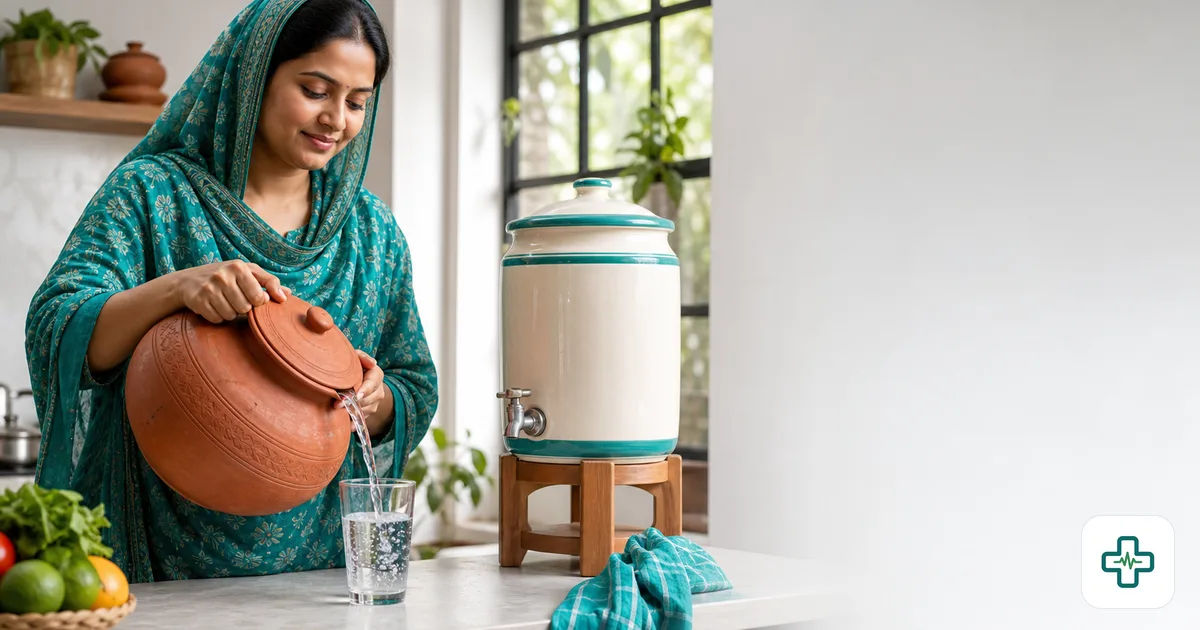
Safe Drinking Water: Home Purification Methods
Clean drinking water is one of the simplest and most powerful ways to protect a family's health, yet unsafe water remains a leading cause of diarrhoea, typhoid, hepatitis and worm infections across Bangladesh. The good news is that making water safe at home is cheap and easy once you know the right methods. Whether you rely on a tube well, supply line or stored water, a few reliable habits can prevent most waterborne illness. Choosing fluids wisely also matters when someone is already sick with diarrhoea.
Why water purification matters
Water can look perfectly clear and still carry bacteria, viruses and parasites that cause serious illness. Contamination is common during the monsoon, in flood-prone areas, and wherever sewage seeps into shallow wells or leaking pipes. Children, pregnant women and older adults are most vulnerable. Treating drinking water removes this hidden risk and is far cheaper than treating the diseases it prevents.
Boiling: the most reliable method
Boiling is the gold standard for killing germs and works even when water is cloudy after filtering the dirt out. Bring water to a rolling boil for at least one minute, then let it cool naturally. Do not add ice or pour it into a dirty container. Boiled water stored in a clean, covered pot stays safe for about 24 hours, so boil only what your household will use in a day.
Filtering and chlorination
When boiling is not practical, other methods help, especially in combination:
- Cloth or ceramic filters remove visible dirt and many germs; a clean folded cloth over the pot helps with muddy water.
- Household water filters (candle or membrane types) are useful, but clean the candles regularly or they grow germs.
- Chlorine tablets or drops (such as approved halotabs or a measured bleach solution) disinfect clear water; follow the packet exactly and wait 30 minutes before drinking.
- SODIS (solar disinfection): filling clear bottles and leaving them in strong sunlight for about six hours reduces germs when nothing else is available.
Filtering first and then boiling or chlorinating gives the safest result for muddy monsoon water.
Arsenic: a special concern in Bangladesh
In many parts of Bangladesh, tube-well water contains naturally occurring arsenic, which boiling and ordinary filters do not remove. Long-term arsenic exposure can cause skin changes and increase cancer risk. Use wells that have been officially tested and marked safe (green), prefer deep tube wells where available, and ask local health authorities about approved arsenic-removal options. Never assume a clear-looking tube well is arsenic-free.
Safe storage and daily habits
Purified water is easily re-contaminated by dirty hands and containers. Protect it with simple habits:
- Store treated water in clean, covered, narrow-mouthed containers.
- Pour water out rather than dipping cups or hands inside.
- Wash storage vessels with soap regularly and keep them off the floor.
- Use treated water for drinking, brushing teeth, washing salad items and making baby feeds.
When to see a doctor
Purifying water prevents illness, but see a doctor if a family member develops persistent diarrhoea, high fever, jaundice, or signs of dehydration such as reduced urine, sunken eyes and weakness. While unwell, give plenty of ORS (oral saline); keep a packet at home and check it in our medicine directory. For ongoing or severe symptoms you can see a relevant specialist through our platform. This article is general information and is not a substitute for advice from a registered doctor.
Frequently Asked Questions
Is filtered water always safe to drink?
Not always. Basic filters remove dirt and some germs but may miss bacteria and viruses, and dirty filter candles can add germs. For full safety, boil or chlorinate filtered water and clean the filter regularly.
Does boiling remove arsenic?
No. Boiling kills germs but does not remove arsenic, and it can slightly concentrate it as water evaporates. Use officially tested safe wells and ask about approved arsenic-removal methods.
How long does boiled water stay safe?
Boiled water kept in a clean, covered container is generally safe for about 24 hours. After that, or if it is exposed to dirty hands or cups, treat it again.
Are chlorine tablets safe for daily use?
Yes, when used exactly as directed. Approved water-purification tablets and measured chlorine drops are widely used and safe; using too much causes a strong taste, so follow the packet instructions.
Where can I learn more?
You can read more health tips on safe water and seasonal disease, and organise any prescribed treatment using our free prescription tool.