Chamber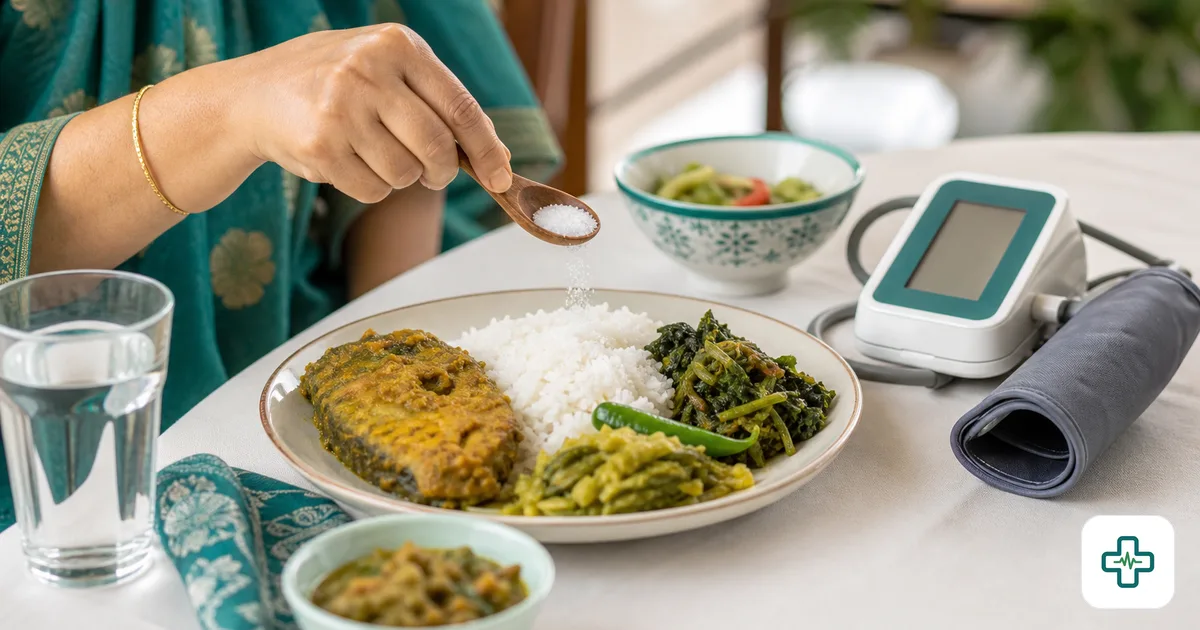
Cut Down Salt: Protect Your Blood Pressure
Salt makes food tasty, but most people in Bangladesh eat far more of it than their bodies need. Extra salt is one of the biggest hidden causes of high blood pressure, which in turn raises the risk of stroke, heart attack and kidney damage. The good news is that cutting salt is one of the easiest and cheapest ways to protect your health, and your tongue adjusts to less salt within a few weeks. Understanding where salt hides and how to reduce it can lower your blood pressure without any medicine at all.
How much salt is actually safe?
The World Health Organization recommends less than 5 grams of salt a day for an adult, which is roughly one level teaspoon. This includes all the salt you eat, not just what you add at the table. In Bangladesh many people eat almost double this amount, partly through cooking and partly through salty side dishes. Children need even less salt than adults, so the same low-salt cooking benefits the whole family.
Why does salt raise blood pressure?
Salt is made of sodium and chloride. When you eat too much sodium, your body holds on to extra water to balance it, which increases the volume of blood in your vessels and pushes up the pressure. Over years, this constant strain stiffens the arteries and overworks the heart and kidneys. High blood pressure usually causes no symptoms at all, which is why it is called a silent killer, and reducing salt is a proven way to bring it down.
Where is the hidden salt in Bangladeshi food?
Much of our salt does not come from the cooking pot but from preserved and processed foods. Common hidden sources include:
- Pickles (achar), chutney and salted lemon.
- Dried and salted fish such as shutki.
- Papad, chanachur, chips, salted nuts and other packet snacks.
- Instant noodles and their flavour sachets.
- Processed and packaged items like sausages, cheese, biscuits and ready sauces.
- Soda-based leavening (baking soda) and table salt sprinkled on fruit and salad.
How can you cut down salt every day?
Small, steady changes work better than sudden strict rules. Try these practical steps in your kitchen:
- Remove the salt shaker from the dining table so you do not add salt to cooked food.
- Add salt at the end of cooking and taste before adding more.
- Use lemon, green chili, garlic, ginger, coriander and other spices for flavour instead of extra salt.
- Rinse canned items and eat pickles and shutki only occasionally and in small amounts.
- Read packet labels and choose products with less sodium.
- Cook more at home, where you control how much salt goes in.
Does cutting salt replace blood-pressure medicine?
Reducing salt can lower blood pressure noticeably, and for some people with mild hypertension it may be enough on its own. But if your doctor has already prescribed medicine, do not stop it just because you are eating less salt. Instead, combine a low-salt diet with your treatment, and your doctor may be able to review the dose over time. You can check your prescribed tablets in our medicine directory to understand what each one does.
When should you see a doctor?
Get your blood pressure checked regularly, especially if you are over 35, overweight, or have a family history of hypertension. See a doctor if your readings stay high, or if you notice severe headache, blurred vision, chest pain, breathlessness or swelling of the feet. Seek emergency care immediately for a very high reading with chest pain, weakness on one side of the body, slurred speech or sudden severe headache, as these can signal a stroke. You can find a heart or kidney specialist through our list of registered doctors and see a relevant specialist when needed. If your doctor advises medicine, you can keep your records organised with our free prescription tool, and read more health tips on diet and heart care.
Frequently Asked Questions
Is sea salt or rock salt healthier than table salt?
No. Sea salt, rock salt (bit lobon) and table salt all contain similar amounts of sodium, so they affect blood pressure the same way. The key is to reduce the total quantity rather than switching type. Iodised salt is recommended in Bangladesh to prevent iodine deficiency, but still use it sparingly.
If I sweat a lot in the heat, do I need extra salt?
Most people get plenty of salt from food even when sweating, so you do not need to add extra. If you have heavy fluid loss from heat, hard labour or diarrhoea, oral rehydration saline (ORS) safely replaces both salt and water. Plain extra salt is not a substitute for ORS.
How long before my blood pressure improves after eating less salt?
Many people see a measurable drop within two to four weeks of consistently cutting salt. The benefit grows over months as the habit continues, especially when combined with weight control and regular activity.
Can low-sodium salt substitutes help?
Potassium-based low-sodium salts can help some people, but they are not safe for everyone, especially those with kidney disease or on certain blood-pressure medicines. Ask your doctor before switching to a salt substitute.
This article is for general health education and is not a substitute for professional medical advice; please consult a doctor about your own condition.