Chamber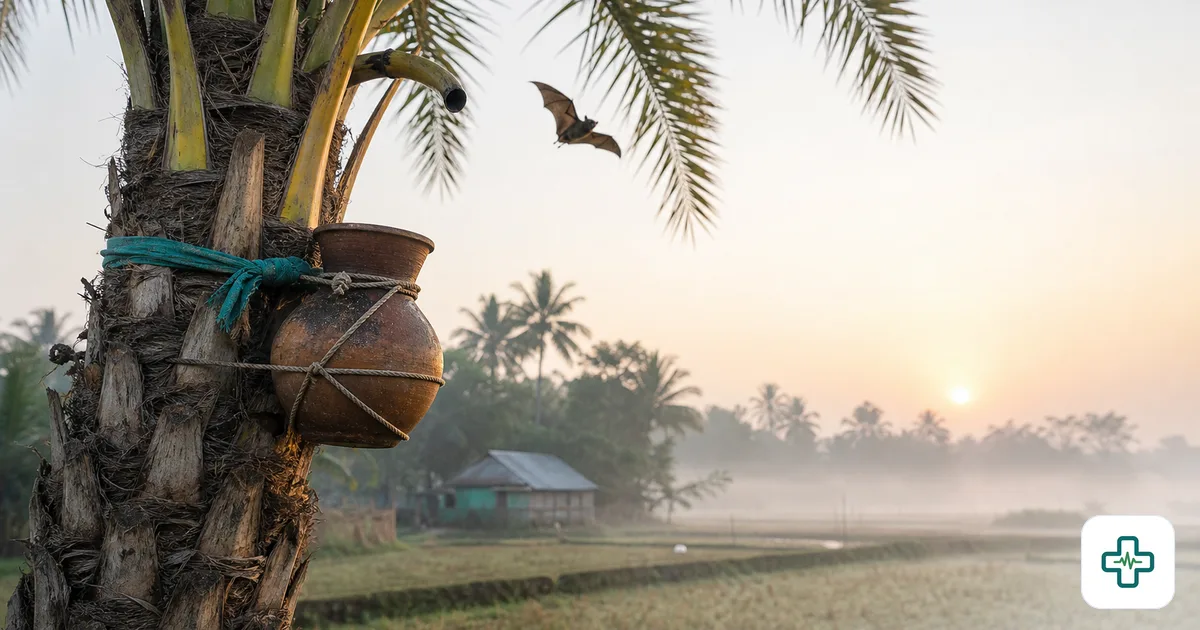
Nipah Virus: Date-Palm Sap Risk and Prevention
Each winter in Bangladesh, a small number of families face a frightening illness linked to one of the country's most loved seasonal treats — fresh date-palm sap, or khejurer ras. Nipah virus is a serious infection that has appeared almost every cold season in central and north-western districts. The good news is that it is uncommon and, more importantly, largely preventable with a few simple habits. Understanding how it spreads removes much of the fear and helps families enjoy winter safely.
What is Nipah virus?
Nipah virus is a virus carried naturally by fruit bats, which show no illness themselves. In Bangladesh, people usually catch it after drinking raw date-palm sap that bats have contaminated overnight with their saliva or urine while feeding from the collection pots. Less commonly, the virus can spread from an infected person to close caregivers or family members through droplets and bodily fluids. It is not spread by ordinary, casual contact in the community.
How does it spread through date-palm sap?
During winter, sap is collected from date palms in open clay pots tied to the tree overnight. Fruit bats are attracted to this sweet sap and lick or contaminate it while feeding. When people drink the raw, unboiled sap fresh in the morning, they may swallow the virus. This is why almost all human cases in Bangladesh are linked to fresh, raw sap rather than boiled sap or molasses, which are made safe by heat.
What are the symptoms and warning signs?
Symptoms usually appear within one to two weeks of exposure and can become serious quickly.
- Sudden fever with severe headache.
- Body ache, vomiting and extreme tiredness.
- Drowsiness, confusion or disorientation.
- In severe cases, seizures, difficulty breathing and loss of consciousness.
Because Nipah can cause dangerous brain inflammation (encephalitis), any high fever with confusion, severe headache or altered consciousness during the winter season is an emergency that needs immediate hospital care.
How can you prevent Nipah virus?
Prevention is straightforward and very effective. A few clear rules protect your whole family during the date-palm season.
- Do not drink raw or fresh date-palm sap, however tempting it looks.
- Avoid any fruit that may have been partly eaten or licked by bats or birds.
- Choose boiled sap or properly made molasses (gur), as boiling destroys the virus.
- If sap is collected, cover the pots with bamboo or net skirts to keep bats away.
- Wash and peel fruit before eating, and keep stored fruit covered.
When caring for a sick patient, wash your hands often, avoid sharing utensils, and use a mask, as the virus can occasionally pass between people in close contact.
How is Nipah treated?
There is no specific antiviral cure proven for Nipah, so treatment is supportive and given in hospital — managing fever, fluids, breathing and seizures while the body fights the infection. There is no need to take medicines on your own; do not buy random drugs from a pharmacy, though you can always check any prescribed medicine in our medicine directory. Early hospital admission gives the best chance of recovery.
When should you see a doctor?
Seek emergency hospital care immediately if anyone develops high fever with severe headache, drowsiness, confusion, fits or breathing difficulty, especially after drinking raw date-palm sap in winter. Do not wait at home. You can find neurologists, medicine specialists and physicians through our list of registered doctors, and read more health tips on seasonal infections. This article provides general information only and is not a substitute for advice from a qualified doctor.
Frequently Asked Questions
Is it safe to drink date-palm sap at all?
Raw, fresh sap carries the risk of Nipah and should be avoided, especially in known affected districts. Sap that has been boiled, and properly made molasses (gur), are safe because heat destroys the virus. If you cannot be sure the sap was boiled, do not drink it.
Can Nipah virus spread from person to person?
Yes, but uncommonly. It can pass from an infected patient to close caregivers or family members through droplets and bodily fluids, not through ordinary casual contact. Hand washing, masks and avoiding shared utensils greatly reduce this risk when caring for a patient.
Is there a vaccine or cure for Nipah?
There is currently no licensed vaccine and no proven specific antiviral cure. Treatment in hospital is supportive — managing fever, breathing, fluids and seizures. This is why prevention through avoiding raw sap and early hospital care are so important.
How soon do symptoms appear after exposure?
Symptoms usually begin within one to two weeks of exposure, occasionally longer. They can start as fever and headache and worsen quickly to drowsiness and confusion, so any such illness in the date-palm season should be treated as an emergency.