Chamber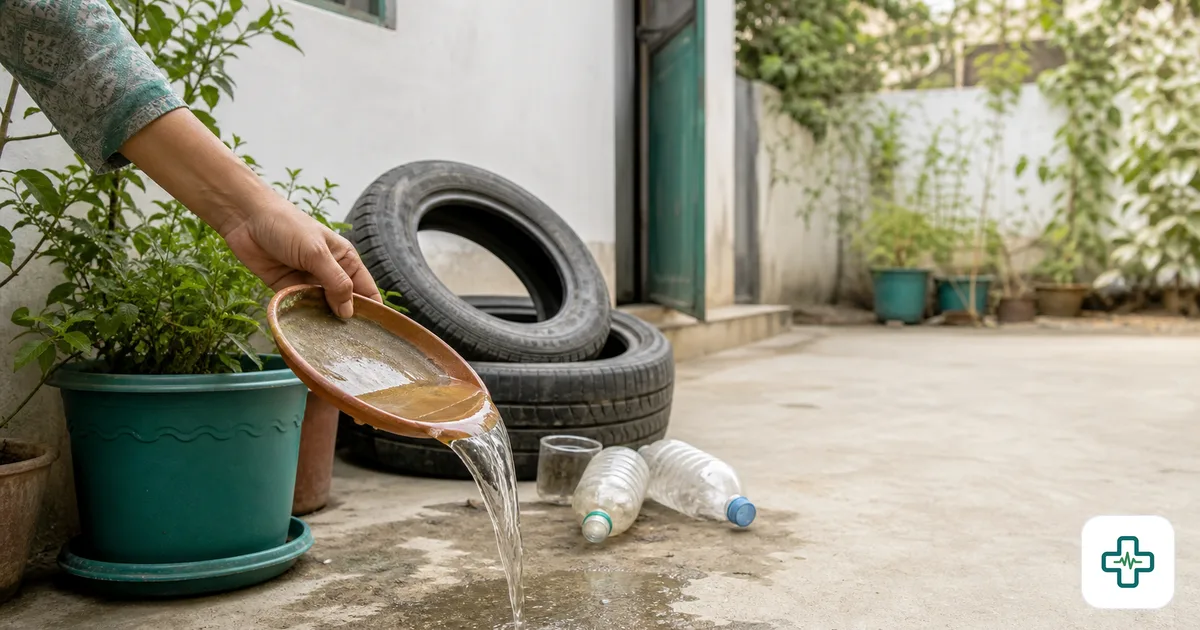
Mosquito Control at Home: Stop Dengue Breeding
Dengue has become a yearly emergency in Bangladesh, with large outbreaks during and after the monsoon. The mosquito that spreads it, Aedes aegypti, does not breed in dirty drains but in small pockets of clean, still water right inside and around our homes. That is actually good news: by removing these breeding spots, every household can directly cut the risk of dengue, chikungunya and Zika for the whole neighbourhood. Mosquito control at home is simple, cheap and one of the most effective things you can do.
Why the Aedes mosquito is different
Unlike the common night-biting mosquito, the Aedes mosquito bites mostly in the daytime, especially early morning and late afternoon. It breeds in clean rainwater that collects in containers, and the eggs can survive dry for months, hatching as soon as water returns. It rarely flies far, so the mosquito biting you was very likely born within your own house or compound. This is why source control at home matters so much.
Where dengue mosquitoes breed around the home
Look for any spot where clean water can sit for a few days:
- Flower pots, their saucers, and trays under indoor plants.
- Discarded tyres, tins, bottles, coconut shells and plastic cups.
- Water stored in buckets, drums and uncovered tanks for daily use.
- Roof gutters, sunshades, AC drip trays and refrigerator drip pans.
- Unused toilets, construction sites, and rainwater pooled on the roof or balcony.
Practical steps to stop breeding
Breaking the breeding cycle is the single most important step, and it costs almost nothing:
- Empty, scrub and dry water containers at least once a week, as eggs stick to the sides.
- Tightly cover all stored water drums and tanks.
- Throw away or turn over items that collect rainwater, such as tyres, tins and bottles.
- Change the water in flower vases and pot saucers every few days.
- Keep roof gutters and drains clear so water does not pool.
- Encourage neighbours to do the same, since one untended rooftop can affect the whole area.
Protecting yourself from bites
Alongside removing breeding sites, reduce bites during the day:
- Use a mosquito net for daytime sleep, especially for children, the sick and the elderly.
- Apply an approved mosquito repellent on exposed skin during peak biting hours.
- Wear long-sleeved, light-coloured clothing when mosquitoes are active.
- Fit screens on windows and doors and use them consistently.
If someone does get fever, manage it with paracetamol, which you can review in our medicine directory, and avoid painkillers such as ibuprofen or aspirin in suspected dengue unless a doctor advises, because they can increase bleeding risk.
When to see a doctor
See a doctor for any high fever during dengue season, particularly with severe headache, pain behind the eyes, body and joint aches, or a rash. Seek urgent care for warning signs such as severe abdominal pain, repeated vomiting, bleeding from the gums or nose, black stools, restlessness, cold clammy skin, or a drop in urine, as these can signal severe dengue. Drink plenty of fluids and ORS while arranging care. You can see a relevant specialist through our platform. This article is general information and is not a substitute for advice from a registered doctor.
Frequently Asked Questions
Does the dengue mosquito really breed in clean water?
Yes. The Aedes mosquito prefers clean, still water in containers, pots and discarded items, not dirty drains. That is why emptying and covering household water is the key to prevention.
When is the dengue mosquito most active?
It bites mainly in the daytime, with peaks in the early morning and late afternoon. Daytime protection like nets for napping children and repellents is therefore important, not just night-time measures.
Are coils and sprays enough to prevent dengue?
No. Coils, sprays and repellents reduce bites but do not stop breeding. The most effective step is removing standing water around the home every week so mosquitoes cannot multiply.
Which fever medicine is safe if I suspect dengue?
Paracetamol is generally used for fever and pain in suspected dengue. Avoid ibuprofen and aspirin unless a doctor advises, as they can raise the risk of bleeding. Always confirm with a doctor.
Where can I learn more?
You can read more health tips on dengue and monsoon illness, and organise any prescribed treatment with our free prescription tool.