Chamber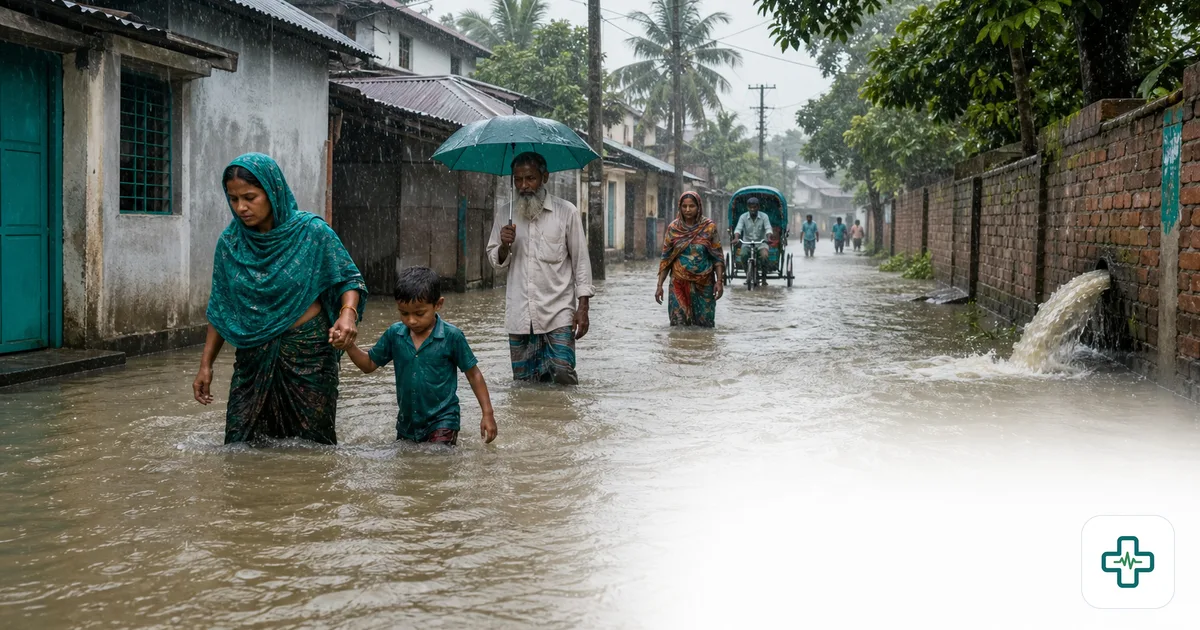
Monsoon Waterborne Diseases: Stay Safe Guide
When the rains arrive in Bangladesh, flooded streets, overflowing drains and waterlogged homes mix sewage with the water people drink and bathe in. The result is a yearly spike in waterborne diseases: watery diarrhoea, typhoid, hepatitis A and E, cholera and stubborn skin infections. Most of these illnesses are preventable with a few careful habits at home. Knowing the warning signs and acting early, especially with fluids, keeps a common monsoon illness from becoming dangerous.
Which waterborne diseases spike in the monsoon?
Several infections rise sharply during the rainy season because germs spread easily through dirty water and food:
- Diarrhoea and cholera: frequent watery stools that quickly cause dehydration.
- Typhoid: prolonged high fever, headache, weakness and poor appetite.
- Hepatitis A and E: jaundice with yellow eyes, dark urine and nausea.
- Skin and foot infections: rashes, fungal itching and wounds from wading through flood water.
Warning signs you should not ignore
Most cases are mild, but certain symptoms mean a person needs medical care. Watch for high fever lasting more than three days, blood or mucus in the stool, persistent vomiting, deep yellowing of the eyes, severe stomach pain, or signs of dehydration such as little urine, sunken eyes and extreme weakness. In infants and older adults these warning signs appear faster and matter more.
What causes the monsoon surge?
The core problem is contamination. Flood water carries sewage into tube wells and storage tanks, street food is washed or prepared with unsafe water, and cut vegetables or fruits sit exposed. Houseflies multiply and carry germs from waste to food. Walking barefoot through dirty water lets bacteria and fungus into small cuts. Understanding these routes makes prevention straightforward.
Home prevention steps that work
Simple, low-cost habits stop most monsoon infections before they start:
- Drink only boiled, filtered or properly treated water, even for brushing teeth.
- Eat freshly cooked, hot food; avoid uncovered street food and cut fruit.
- Wash hands with soap before eating and after using the toilet.
- Keep an ORS (oral saline) packet at home and start it early with loose stools.
- Cover food, control flies, and store drinking water in clean, covered containers.
- Wear footwear in flood water and dry your feet well to prevent skin infection.
For protection ahead of the season, ask a doctor about the typhoid and hepatitis vaccines, which are available privately in Bangladesh.
Home care for mild illness
Most diarrhoea is managed at home with fluids, not antibiotics. Give ORS after each loose stool, continue normal food and breastfeeding, and offer extra water, soups and rice gruel. For fever you may use paracetamol as advised; you can review it in our medicine directory. Never take antibiotics on your own, as misuse fuels resistance and rarely helps viral or mild illness.
When to see a doctor
See a doctor if fever lasts beyond three days, the stool contains blood, jaundice appears, vomiting prevents keeping fluids down, or dehydration signs develop. Seek urgent care for a child who is drowsy, not passing urine, or unable to drink. A qualified physician can confirm the cause and prescribe correctly; you can see a relevant specialist through our platform. This article is general information and is not a substitute for advice from a registered doctor.
Frequently Asked Questions
Is boiling enough to make water safe in the monsoon?
Yes. Bringing water to a rolling boil for at least one minute kills the germs that cause diarrhoea, typhoid and hepatitis. Let it cool and store it in a clean, covered container so it is not re-contaminated.
Do I need antibiotics for monsoon diarrhoea?
Usually not. Most diarrhoea settles with ORS and continued feeding. Antibiotics are only needed for specific infections a doctor diagnoses, such as dysentery with blood, and self-prescribing them is harmful.
Can vaccines protect against these diseases?
Vaccines exist for typhoid and hepatitis A, and infants receive hepatitis B through the EPI schedule. Ask your doctor before the rainy season; vaccines reduce but do not fully replace safe water and food habits.
How do I keep stored water safe at home?
Store treated water in clean, narrow-mouthed, covered containers and pour rather than dip cups inside. Clean storage drums regularly, and keep them off the floor and away from flood water.
Where can I learn more?
You can read more health tips on safe water and seasonal illness, and organise any prescribed treatment with our free prescription tool.