Chamber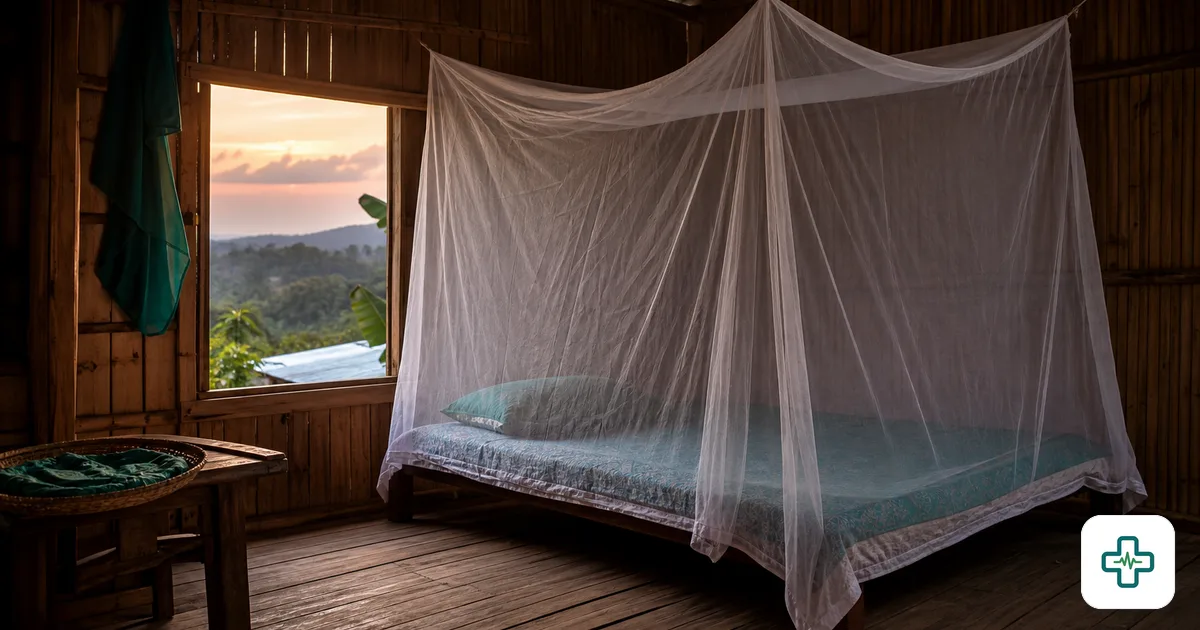
Malaria: Symptoms, Treatment and Prevention in BD
Malaria has become rare in most of Bangladesh, but it remains a real risk in the hill districts, especially the Chittagong Hill Tracts. Each year, most local cases are reported from areas like Bandarban, Rangamati and Khagrachhari, which makes travellers and forest workers particularly vulnerable. Malaria is serious but both treatable and preventable, and recognising the fever pattern early can be life-saving. This article is general health information and does not replace advice from a qualified doctor.
What is malaria and where is the risk highest?
Malaria is caused by a parasite spread through the bite of an infected female Anopheles mosquito, which usually bites between dusk and dawn. In Bangladesh the highest-risk areas are the hill districts near the borders, where dense forest and standing water suit the mosquito. Plains and city areas have very few cases. People who travel to or work in these hill areas, and those living there, carry the main risk, so prevention advice focuses on them.
What are the symptoms?
Malaria symptoms usually appear about 10 to 15 days after the bite and can come in cycles.
- Fever, often with shaking chills followed by sweating.
- Headache and body aches.
- Tiredness and weakness.
- Nausea, vomiting and sometimes diarrhoea.
- The classic pattern of chills, high fever, then heavy sweating returning every day or two.
Severe malaria can cause confusion, fits, very dark urine, breathing difficulty or yellow eyes, which are emergencies.
Why a blood test matters
Many fevers feel similar, so malaria cannot be diagnosed by symptoms alone. A simple blood test, either a rapid diagnostic test or a blood film examined under a microscope, confirms whether malaria parasites are present and which type. In hill districts, government and NGO health facilities offer these tests, often free. Never assume a fever after hill travel is "just viral"; getting tested quickly allows the right treatment to start without delay. Self-treating with leftover tablets can hide the diagnosis and lead to dangerous complications.
Why finishing treatment is so important
Malaria is treated with specific anti-malarial medicines chosen by a doctor according to the parasite type and local guidelines. The most important rule is to complete the full course exactly as prescribed, even after you feel well, because stopping early can let the infection return and helps the parasite become drug-resistant. Never buy or share anti-malarial tablets on your own. You can check medicines in our medicine directory, and keep a clear record using our free prescription tool so doses are not missed.
How can travellers and families prevent malaria?
Avoiding mosquito bites between dusk and dawn is the heart of prevention.
- Sleep under an insecticide-treated bed net, the single most effective measure in hill areas.
- Apply mosquito repellent to exposed skin in the evening and at night.
- Wear long sleeves and long trousers after sunset.
- Use mosquito screens, and treat clothing or nets with insecticide where available.
- Clear standing water and support local spraying programmes.
- If you are travelling to a high-risk area, ask a doctor in advance whether preventive medicine is advised for you.
When should you see a doctor?
See a doctor quickly if you develop fever during or within a few weeks of visiting a hill district, even if you have returned home, since symptoms can appear later. Seek emergency care immediately for confusion or drowsiness, fits, difficulty breathing, very dark or reduced urine, repeated vomiting, or yellow eyes, as these point to severe malaria. Pregnant women and young children need urgent attention with any malaria-like fever. You can see a relevant specialist and find more health tips on travel and seasonal illness. Early treatment saves lives.
Frequently Asked Questions
Is malaria common all over Bangladesh?
No. Most of the country, including the big cities and plains, reports very few cases. The risk is concentrated in the hill districts such as Bandarban, Rangamati and Khagrachhari, so travellers and residents there should take prevention seriously.
How is malaria diagnosed?
Malaria is confirmed with a blood test, either a rapid diagnostic test or a blood film under a microscope. Symptoms alone are not enough because many fevers feel similar, so testing after hill travel is important.
Can malaria come back after treatment?
Some types of malaria parasite can stay dormant and cause a relapse later, and stopping treatment early also allows the infection to return. This is why completing the full prescribed course exactly as directed is essential.
Do I need preventive tablets before visiting the hill tracts?
Sometimes. Whether preventive anti-malarial medicine is advised depends on the area, season and your health, so ask a doctor before you travel. Bed nets and repellents remain essential for everyone regardless.
This article is for general health education and is not a substitute for professional medical advice.