Chamber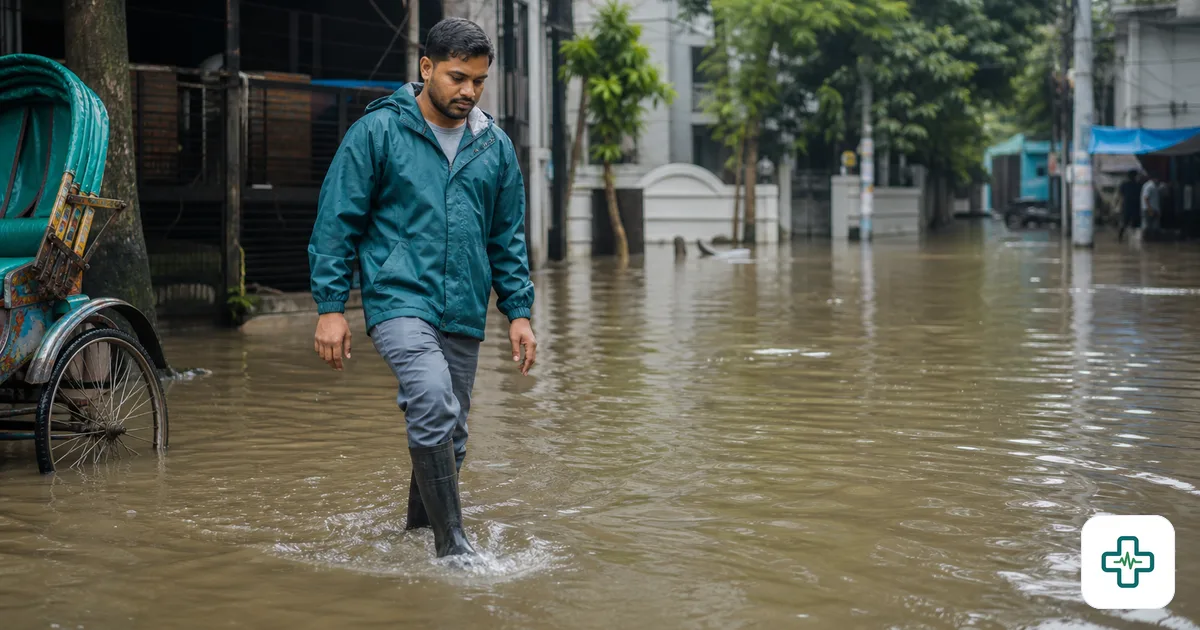
Leptospirosis: Flood-Water Fever and Prevention
When floods and waterlogging hit Bangladesh during the monsoon, many people have no choice but to wade through dirty, muddy water to reach work, school or safety. What many do not realise is that this water can carry leptospirosis, a bacterial infection that often looks just like an ordinary fever at first. The illness is common after floods yet frequently missed. Knowing how it spreads, recognising the symptoms early, and protecting your feet can prevent a serious problem.
What is leptospirosis?
Leptospirosis is an infection caused by Leptospira bacteria, which are spread in the urine of infected animals — especially rats, but also cattle and dogs. The bacteria survive in flood water, mud, ponds and damp soil. People catch it when contaminated water touches broken skin, cuts, or the eyes, nose and mouth, often while wading through flooded streets or working in fields. It is not usually spread directly from person to person.
What are the symptoms and warning signs?
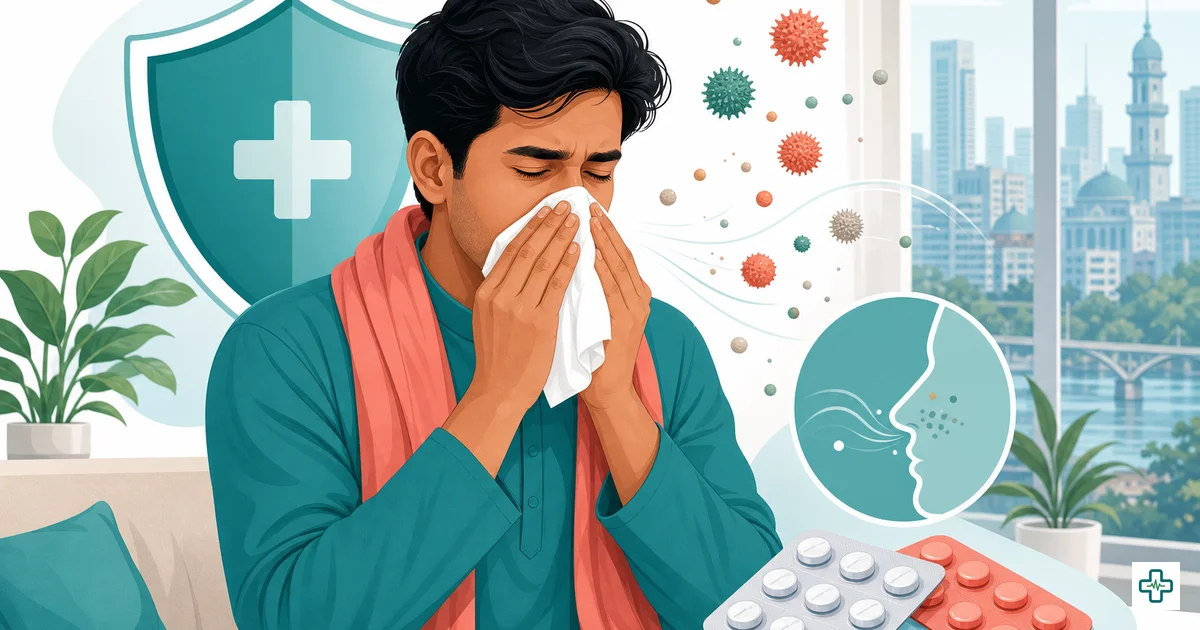
Symptoms usually appear about a week or two after exposure and can range from mild to severe. Early on, it is easily mistaken for a common viral fever.
- Sudden high fever with chills and severe headache.
- Intense muscle pain, especially in the calves and lower back.
- Red eyes, nausea, vomiting and tiredness.
Warning signs of severe disease include yellowing of the eyes and skin (jaundice), reduced urine, breathlessness, bleeding, or confusion. Severe leptospirosis can affect the kidneys, liver and lungs, so these danger signs need urgent hospital care.
How does it spread after floods?
Floods wash rat urine and animal waste into the water that fills streets, homes and fields. When you walk barefoot or with small cuts through this water, or splash it onto your face, the bacteria can enter your body. Farmers, fishermen, cleaners, rickshaw pullers and children playing in flood water are at higher risk. The longer the skin stays in contact with contaminated water, the greater the chance of infection.
How can you prevent leptospirosis?
Simple protection makes a real difference during flood season. A few habits sharply reduce the risk.
- Avoid wading through flood water when you can; find a drier route.
- Wear rubber boots, covered shoes or at least sandals if you must enter water.
- Cover any cut or wound with a waterproof dressing before going out.
- Wash your feet, hands and body with clean water and soap as soon as you get home.
- Keep food and drinking water covered, and control rats around the home.
If you develop fever after wading through flood water, tell your doctor about the exposure, as this clue helps with early diagnosis and treatment.
How is it treated?
Leptospirosis is treated with antibiotics prescribed by a doctor, and early treatment usually leads to a full recovery. Mild cases often improve quickly, while severe cases may need hospital admission for fluids and organ support. Do not buy antibiotics on your own from a pharmacy, as the wrong choice or dose can be harmful; you can look up any prescribed medicine in our medicine directory. Drink plenty of fluids and rest while you recover.
When should you see a doctor?
See a doctor if you develop fever, severe muscle pain or red eyes within two weeks of contact with flood or muddy water, especially during or after the monsoon. Seek urgent care for jaundice, reduced urine, breathlessness, bleeding or confusion, which suggest severe disease. You can find physicians through our list of registered doctors, and read more health tips on flood-related illness. This article gives general information only and is not a substitute for advice from a qualified doctor.
Frequently Asked Questions
How is leptospirosis different from an ordinary viral fever?
Early on they look similar, but leptospirosis often causes very intense muscle pain, especially in the calves, along with red eyes and a history of wading through flood water. Jaundice or reduced urine points strongly to leptospirosis. Telling your doctor about flood-water contact helps with the right diagnosis.
Can I catch leptospirosis just by walking through flood water?
Yes, the bacteria can enter through cuts, broken skin or the eyes, nose and mouth when you wade through contaminated water. The risk is higher with longer contact, open wounds or splashing water on your face. Wearing boots and washing afterwards greatly lowers the chance.
Is leptospirosis contagious between people?
It is not usually spread directly from person to person. It comes from water and soil contaminated by the urine of infected animals such as rats. Protecting yourself from flood water and animal waste is the key to prevention rather than avoiding other people.
Does leptospirosis need antibiotics?
Yes, unlike viral fever, leptospirosis is a bacterial infection treated with antibiotics chosen by a doctor. Early treatment usually leads to full recovery. Never self-prescribe antibiotics; see a doctor who can confirm the diagnosis and select the correct medicine and dose.