Chamber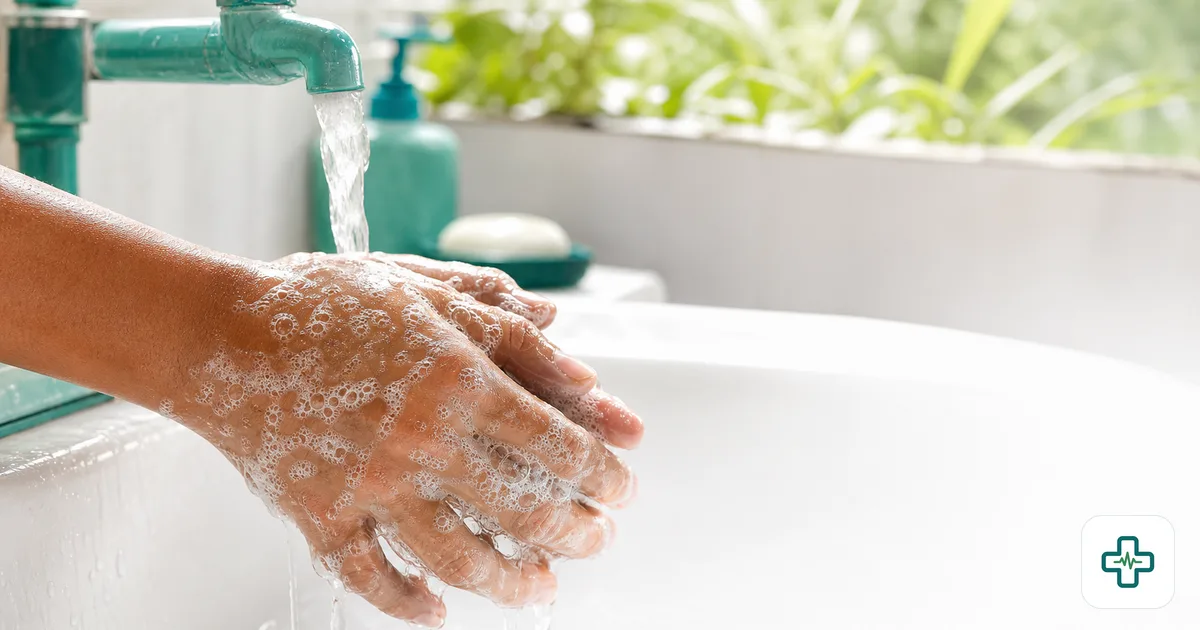
Hand Hygiene: Proper Handwashing to Prevent Disease
Our hands touch hundreds of surfaces every day, from door handles and money to phones and food, picking up invisible germs along the way. In a country like Bangladesh, where diarrhoea, typhoid, jaundice, and respiratory infections are common, washing hands properly is one of the simplest and most powerful things a family can do to stay healthy. It costs almost nothing, yet it prevents serious illness, hospital visits, and missed school and work.
Why does handwashing matter so much?
Many germs spread through the "hand-to-mouth" route. Someone touches a contaminated surface, then eats or rubs their eyes, and the germs get in. Washing with soap physically lifts and rinses away these germs along with dirt and grease. Studies consistently show that regular handwashing can sharply reduce diarrhoeal illness and respiratory infections such as colds and flu, protecting both children and the elderly.
When should you wash your hands?
You do not need to wash constantly, but there are key moments that matter most.
- Before cooking, serving, or eating food.
- After using the toilet or cleaning a child after the toilet.
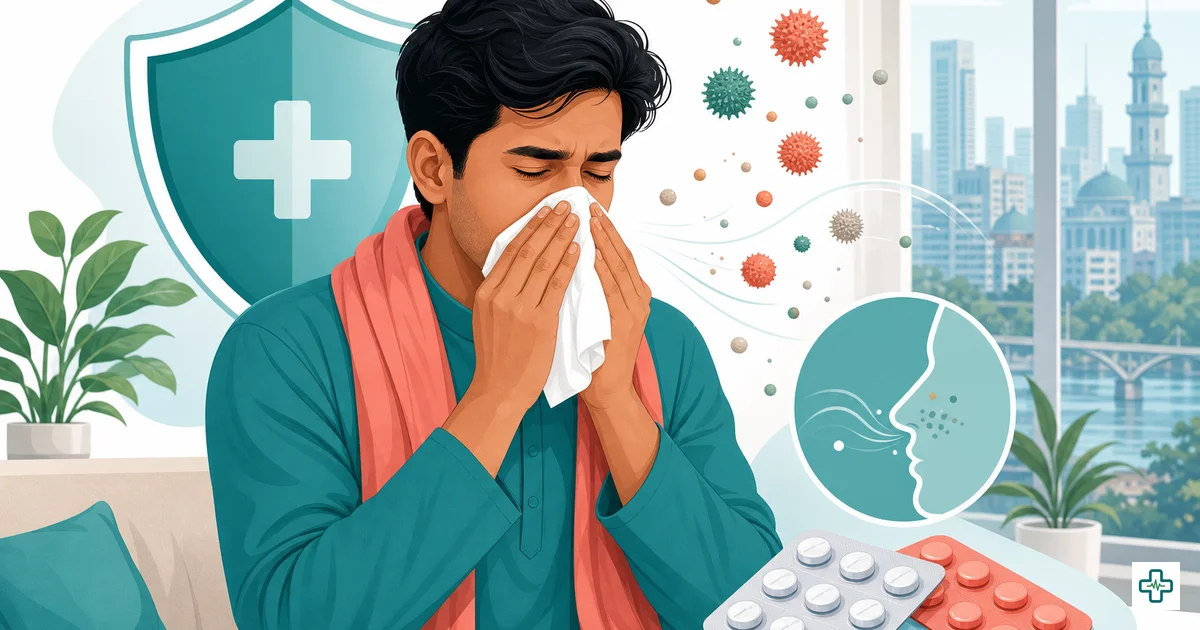
- After coughing, sneezing, or blowing your nose.
- After handling rubbish, animals, or coming home from outside.
- Before and after caring for someone who is sick.
How do you wash hands properly?
Quickly splashing water is not enough. Proper technique takes about 20 to 30 seconds.
- Wet your hands with clean running water and apply soap.
- Rub palms together, then the backs of both hands.
- Clean between the fingers and around the thumbs.
- Scrub the fingertips and under the nails.
- Rinse well and dry with a clean cloth or air-dry.
Any ordinary soap works; you do not need expensive antibacterial products. The scrubbing and rinsing do most of the work.
Soap and water or hand sanitiser?
Soap and water is the first choice, especially when hands are visibly dirty or greasy or after using the toilet. An alcohol-based hand sanitiser is a useful backup when you are out and no water is available. To work, a sanitiser should contain enough alcohol and be rubbed over all parts of the hands until dry. Sanitiser does not remove visible dirt and is less effective against certain germs, so it is a helper, not a full replacement.
How can you build the habit in children?
Children learn hygiene by watching adults and by making it easy and fun. Keep soap within their reach, sing a short song so they wash long enough, and praise them when they remember. Remind them especially before eating and after the toilet. Building this habit early protects them from worms, diarrhoea, and many school-spread infections for life.
When should you see a doctor?
Handwashing prevents illness but cannot cure an infection that has already taken hold. See a doctor if you or your child develops persistent diarrhoea, vomiting, high fever, or signs of dehydration such as reduced urine and a dry mouth, as oral saline (ORS) and timely treatment may be needed. You can reach a qualified physician through our see a relevant specialist directory, check any prescribed medicine in the medicine directory, and explore more health tips on preventing common infections.
Frequently Asked Questions
How long should I wash my hands?
About 20 to 30 seconds with soap, long enough to scrub the palms, backs, between the fingers, the thumbs, and under the nails. Humming a short tune is an easy way to keep going long enough, especially for children.
Is hand sanitiser as good as soap and water?
Soap and water is better, particularly when hands are visibly dirty or greasy or after the toilet. An alcohol-based sanitiser is a good backup when no water is available, but it does not remove dirt and is less effective against some germs.
Do I need special antibacterial soap?
No. Ordinary soap works very well, because the scrubbing and rinsing physically remove germs. Expensive antibacterial products are not necessary for everyday handwashing at home.
Can handwashing prevent diarrhoea in children?
Yes. Regular handwashing with soap is one of the most effective ways to reduce childhood diarrhoea, worms, and respiratory infections. If a child still develops diarrhoea, give oral saline (ORS) and consult a doctor; you can keep a record using the free prescription tool.
This article is for general health education and is not a substitute for professional medical advice.