Chamber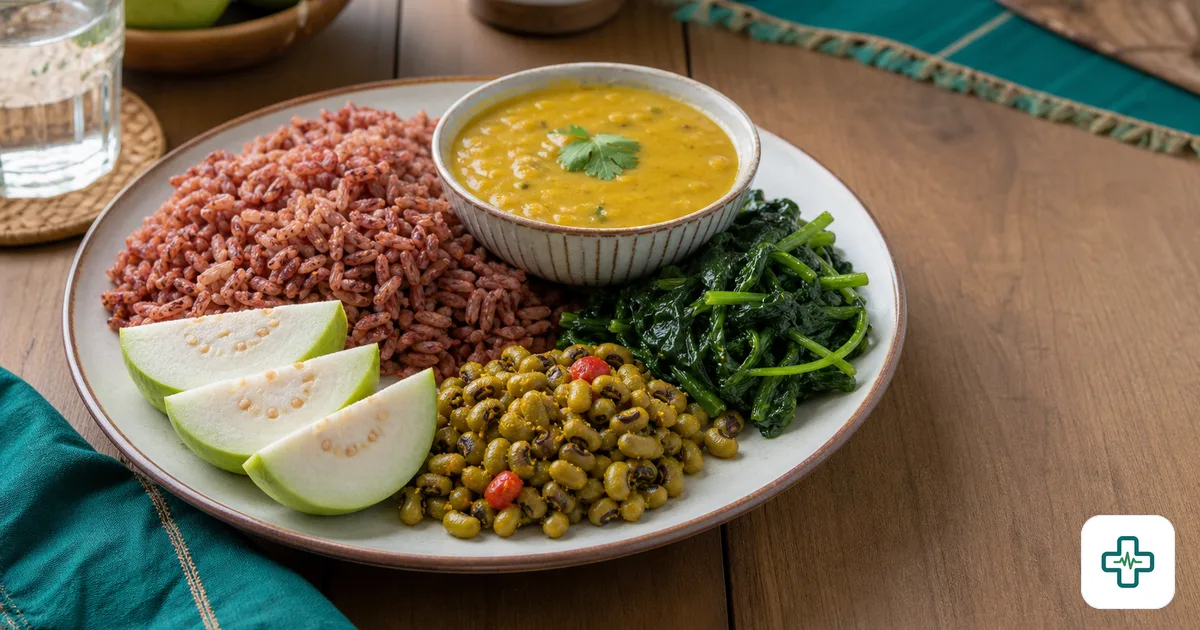
Fibre-Rich Diet: Better Digestion and Prevention
Fibre is the part of plant foods that the body cannot fully digest, and yet it does some of the most useful work in our diet. In Bangladesh, meals often lean heavily on white rice and refined flour, with too little of the fibre that keeps digestion smooth and protects against several long-term diseases. Adding more fibre is one of the simplest, cheapest changes you can make, and it does not require expensive foods.
What is dietary fibre?
Dietary fibre comes in two main types. Soluble fibre, found in oats, lentils (dal), beans, apples, and many vegetables, dissolves into a gel that slows digestion and helps control blood sugar and cholesterol. Insoluble fibre, found in the bran of whole grains, vegetable skins, and leafy greens, adds bulk to stool and keeps the bowels moving. A good diet includes both, and most local foods naturally provide a mix.
Why is fibre good for you?
Eating enough fibre brings several proven benefits:
- Smoother, more regular bowel movements and less constipation and piles.
- Slower rise in blood sugar after meals, which helps people with or at risk of diabetes.
- Lower LDL ("bad") cholesterol, supporting heart health.
- A longer feeling of fullness, which helps with weight control.
- A healthier gut, as fibre feeds the helpful bacteria in the intestine.
Over the long term, high-fibre diets are linked to a lower risk of heart disease, type 2 diabetes, and bowel cancer.
Which local foods are high in fibre?
You do not need imported "superfoods" to eat well. Affordable, everyday Bangladeshi foods are excellent sources:
- Lentils and pulses (masoor, mung, chickpea) and beans.
- Whole grains such as brown or red rice, oats, and whole-wheat (atta) roti instead of refined maida.
- Plenty of vegetables, including leafy greens (shak), beans, and gourds.
- Fruit with edible skin or pulp such as guava, apple, and banana.
- A small handful of nuts and seeds where affordable.
How can you add fibre safely?
Adding too much fibre too quickly can cause gas, bloating, and cramps, so the trick is to go gradually:
- Increase fibre slowly over two to three weeks rather than all at once.
- Swap some white rice or maida for red rice, oats, or whole-wheat roti.
- Add an extra serving of vegetables and a portion of dal each day.
- Keep the skin on fruit and vegetables where it is safe and clean to eat.
- Drink enough water, because fibre works best when you stay well hydrated.
Who should be a little careful?
Most people benefit from more fibre, but some need a tailored approach. People with certain bowel conditions, recent abdominal surgery, or narrowing of the gut should follow their doctor's advice. If you have diabetes and take medicine to lower blood sugar, increasing fibre may improve control, so review your readings with your doctor. Fibre supplements are rarely needed if you eat well, and food sources are usually better.
When should you see a doctor?
See a doctor if you have a lasting change in bowel habits, ongoing constipation despite a good diet, blood in the stool, unexplained weight loss, or persistent abdominal pain, as these need proper assessment rather than self-treatment. For diet-related conditions you can see a relevant specialist such as a nutritionist or gastroenterologist, browse the medicine directory if a doctor has prescribed anything for related symptoms, and read more health tips on healthy eating.
This article is for general health education and is not a substitute for professional medical advice; please consult a qualified doctor or dietitian about your own diet.
Frequently Asked Questions
How much fibre do I need each day?
Most adults benefit from roughly 25 to 30 grams of fibre a day from a mix of whole grains, dal, vegetables, and fruit. Rather than counting grams, aim to fill a good part of every plate with vegetables and choose whole grains over refined ones.
Does fibre cause gas and bloating?
It can if you increase it too fast. Adding fibre gradually over a couple of weeks and drinking plenty of water usually lets your gut adjust and reduces gas and bloating.
Can a high-fibre diet help with diabetes and cholesterol?
Yes. Soluble fibre from oats, dal, and vegetables slows sugar absorption and helps lower "bad" cholesterol, supporting better blood sugar and heart health alongside your prescribed treatment.
Are fibre supplements necessary?
Usually not. A varied diet of whole grains, pulses, vegetables, and fruit provides plenty of fibre. Supplements are only occasionally needed and are best used on a doctor's advice.