Chamber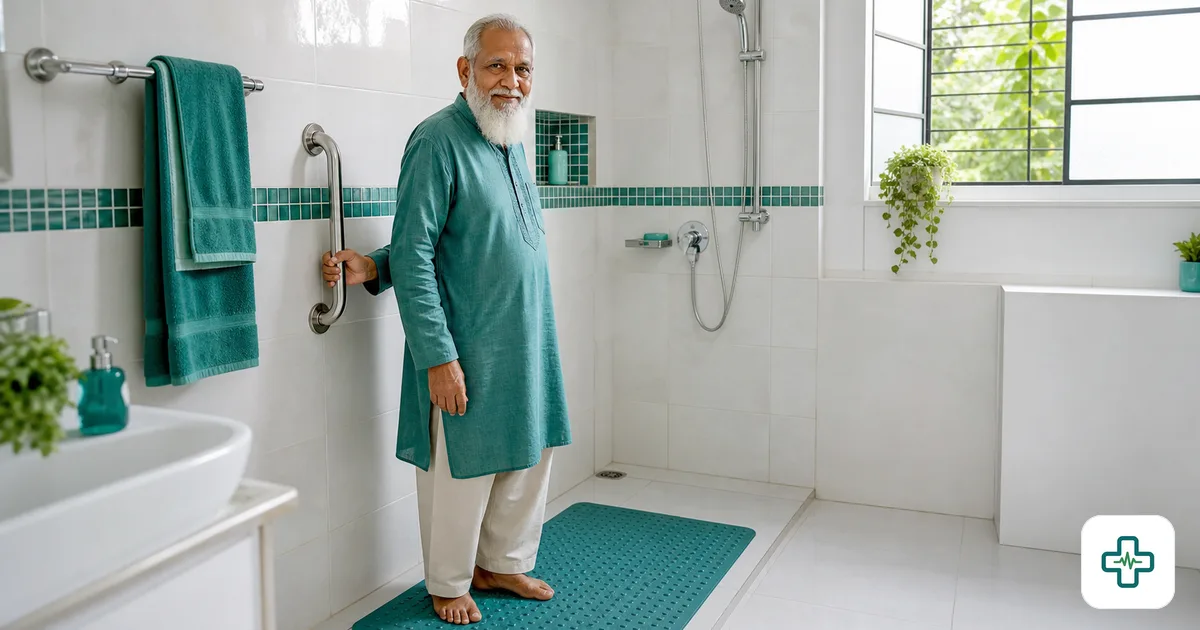
Fall Prevention for the Elderly: Home Safety Guide
For a young person a stumble is a minor moment, but for an older adult a fall can lead to a broken hip, months in bed, lasting fear and loss of independence. In Bangladesh, where many homes have raised thresholds, wet bathrooms and stairs without rails, falls are one of the biggest hidden dangers for the elderly. The reassuring news is that most falls are preventable with simple, low-cost changes around the house. This guide explains why falls matter so much and how families can make a home safer room by room.
Why are falls so dangerous for older people?
With age, bones become thinner and weaker, so a fall that would only bruise a younger person can fracture a hip, wrist or spine in an elder. Recovery is slow, and a long period in bed can lead to pneumonia, blood clots, pressure sores and muscle wasting. Beyond the physical harm, many older people who fall develop a deep fear of falling again, so they move less, grow weaker, and ironically become even more likely to fall. Preventing that first fall protects both body and confidence.
What home hazards should you fix first?
Most falls happen at home during ordinary activities. Walk through each room and remove the common dangers:
- Loose rugs, mats and trailing wires that catch the feet.
- Wet, slippery bathroom and kitchen floors; add a rubber mat and a sturdy grab bar.
- High thresholds between rooms and uneven floors.
- Clutter on the floor, stairs and walkways.
- Stairs without a firm handrail on at least one side.
- A bed or toilet seat that is too low to rise from easily.
How do footwear, lighting and vision help?
Three quiet factors prevent many falls. First, footwear: encourage well-fitting shoes or sandals with a firm, non-slip sole, and discourage loose slippers or walking in socks on smooth floors. Second, lighting: keep rooms, stairs and the path to the bathroom well lit, and place a night light or torch within reach for night-time trips. Third, vision: cataracts and the wrong glasses cause many falls, so arrange regular eye checks and keep glasses clean and current. Hearing also affects balance, so do not ignore hearing problems.
How can strength and balance reduce falls?
Muscles and balance can be improved at almost any age, and stronger legs are the best protection against falls. Encourage gentle daily activity such as walking, standing up and sitting down from a chair several times, and simple balance practice like standing on one leg while holding a steady surface. A physiotherapist can teach safe, tailored exercises for someone who is frail. Good nutrition with enough protein, calcium and morning sunlight for vitamin D keeps bones and muscles strong. Review medicines too, as some cause dizziness or drowsiness that raises fall risk.
What should you do after a fall?
Stay calm and do not rush to lift the person, as moving a possible fracture or head injury can cause more harm. Check whether they are hurt, especially the hip, head or wrist, and look for confusion or loss of consciousness. If there is severe pain, an obvious deformity, a head injury, bleeding that will not stop, or they cannot get up, keep them still and arrange emergency help. If they seem unhurt, help them rise slowly in stages, using a stable chair for support, and watch them closely for the next day or two.
When should you see a doctor?
See a doctor after any fall that causes pain, swelling, a wound, or difficulty walking, and seek emergency care for a suspected fracture, a head injury, loss of consciousness, or fainting. Repeated falls or new unsteadiness should always be checked, as they may point to a treatable cause such as low blood pressure, infection, poor vision or a medicine side effect. You can find an orthopaedic, medicine or eye specialist through our see a relevant specialist directory, and if a doctor prescribes pain relief or other medicine you can verify it in our medicine directory. For more on caring for older family members, see our more health tips.
Frequently Asked Questions
Is a walking stick or frame a sign of weakness?
Not at all. A well-fitted stick, frame or walker gives extra stability and confidence and can prevent serious falls. The right aid lets an older person stay active and independent for longer, which is a strength, not a weakness.
Should an older person who fell once stop walking around?
No. Becoming inactive out of fear actually weakens the muscles and raises future fall risk. The safer approach is to fix home hazards, improve strength and balance, and keep moving carefully, ideally with guidance from a doctor or physiotherapist.
Can medicines really cause falls?
Yes. Some medicines for blood pressure, sleep, anxiety or diabetes can cause dizziness, drowsiness or low blood sugar that leads to falls. If an elder feels unsteady, a doctor can review their medicines, but doses should never be changed without medical advice.
How can we make the bathroom safer quickly?
Add a non-slip rubber mat, fit a sturdy grab bar near the toilet and bathing area, keep the floor dry, ensure good lighting, and consider a raised toilet seat or a stool for bathing. These simple steps prevent many of the most serious falls.
This article is for general health education and is not a substitute for professional medical advice; please consult a qualified doctor about your elder's specific needs.