Chamber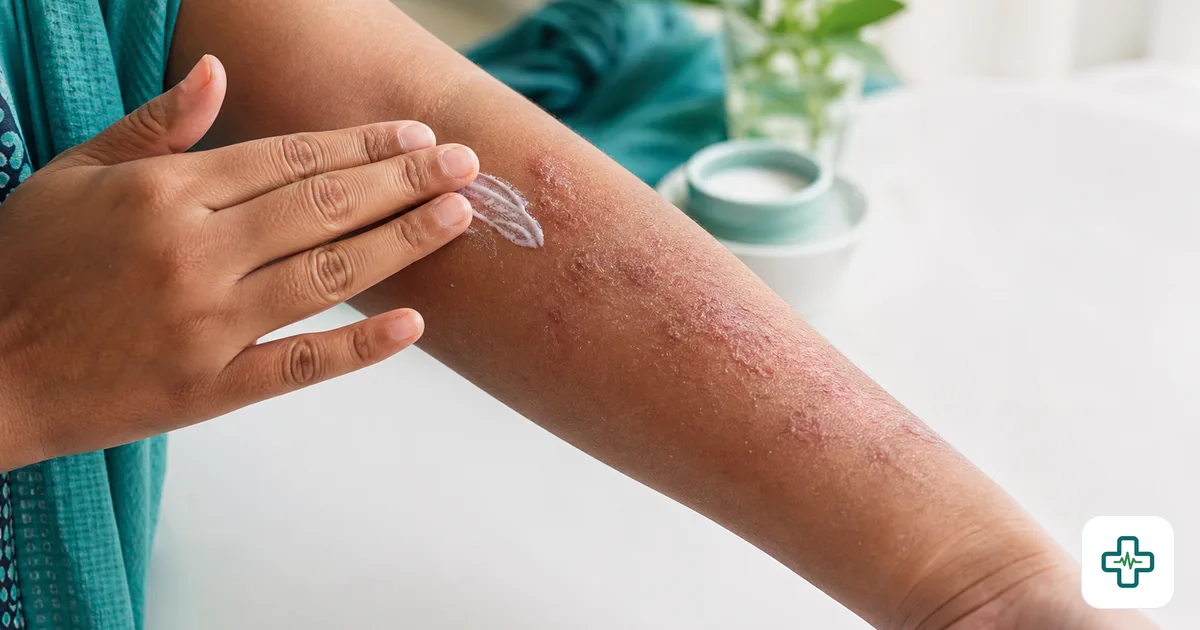
Eczema: Dry, Itchy Skin Care and Triggers
Eczema, also called atopic dermatitis, is a common condition that makes the skin dry, inflamed and very itchy. It often starts in childhood and can come and go for years, with calm periods broken by flare-ups. In Bangladesh, dry winter air, sweat in the heat, dust and harsh soaps all play a part. Eczema is not contagious and is not caused by poor hygiene. With good daily skin care and by avoiding triggers, most people can keep it well controlled and comfortable.
What is eczema and who gets it?
Eczema happens when the skin barrier, the layer that holds in moisture and keeps out irritants, does not work well. The skin loses water, becomes dry and reacts easily, leading to redness and itching. It often runs in families alongside asthma and allergic rhinitis. Babies and young children are most commonly affected, frequently on the cheeks, scalp and the folds of the elbows and knees, but adults can have it too.
What are the symptoms and warning signs?
Eczema can look different from person to person, but common features include:
- Dry, rough, scaly skin.
- Intense itching, often worse at night.
- Red or darkened patches, sometimes weeping or crusting.
- Thickened skin from long-term scratching.
- Warning signs of infection: yellow crusts, pus, increasing pain, warmth or fever.
What triggers a flare-up?
Flare-ups are usually set off by things that dry or irritate the skin. Common triggers in our climate include:
- Harsh soaps, detergents and very hot water.
- Dry winter air and, for some, heavy sweating in summer.
- Dust, wool and rough synthetic fabrics.
- Stress and, in some children, certain foods.
Scratching itself worsens the rash and can break the skin, so controlling the itch is central to treatment.
How can you care for eczema-prone skin?
Daily moisturising is the foundation of eczema care:
- Apply a thick, fragrance-free moisturiser at least twice a day, and within a few minutes of bathing to lock in water.
- Bathe in lukewarm, not hot, water for a short time and use a mild, soap-free cleanser.
- Pat the skin dry gently rather than rubbing.
- Wear soft cotton clothing and keep fingernails short to limit scratch damage.
During flare-ups, doctors often prescribe a topical steroid cream. Used correctly, a thin layer on the affected area for a short course is safe and effective; problems come from overuse or strong steroids on the face without advice. You can check a prescribed cream in the medicine directory, and find general skin guidance in our more health tips.
When should you see a doctor?
See a doctor if the itching disturbs sleep or daily life, if the rash is widespread or not improving with moisturisers, or if you need a steroid cream and are unsure how to use it. Seek prompt care if you see signs of infection such as yellow crusts, pus, spreading redness, pain or fever, as infected eczema needs treatment. You can find a dermatologist through our list to see a relevant specialist. Avoid strong unbranded steroid or fairness creams, which can thin and damage the skin; a doctor can prescribe a safe plan and use the free prescription tool to write it clearly.
This article is for general health education and is not a substitute for professional medical advice; please consult a doctor about your own situation.
Frequently Asked Questions
Is eczema contagious?
No. Eczema cannot spread from person to person through touch. It is a problem with the skin barrier and the immune system, not an infection, although broken eczema skin can sometimes become infected separately.
Are steroid creams dangerous for eczema?
Used as prescribed, a thin layer for a short course is safe and very helpful. Harm usually comes from long-term overuse or applying strong steroids to the face without medical advice, so follow your doctor's instructions.
Will my child grow out of eczema?
Many children improve a great deal as they grow, and some outgrow it completely. Others have milder symptoms into adulthood. Good moisturising and trigger control keep it manageable at any age.
How often should I moisturise eczema-prone skin?
At least twice a day, and more often during flare-ups or dry weather. Applying moisturiser within a few minutes of bathing, while the skin is still slightly damp, helps lock in moisture best.