Chamber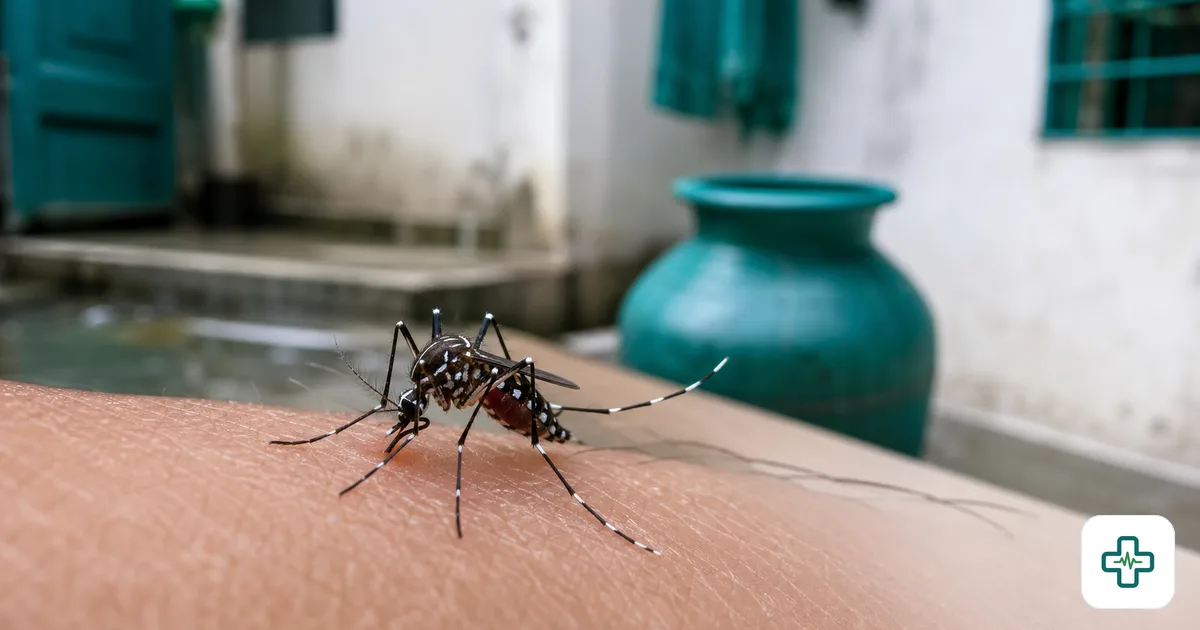
Dengue Fever: Symptoms, Warning Signs and Home Care
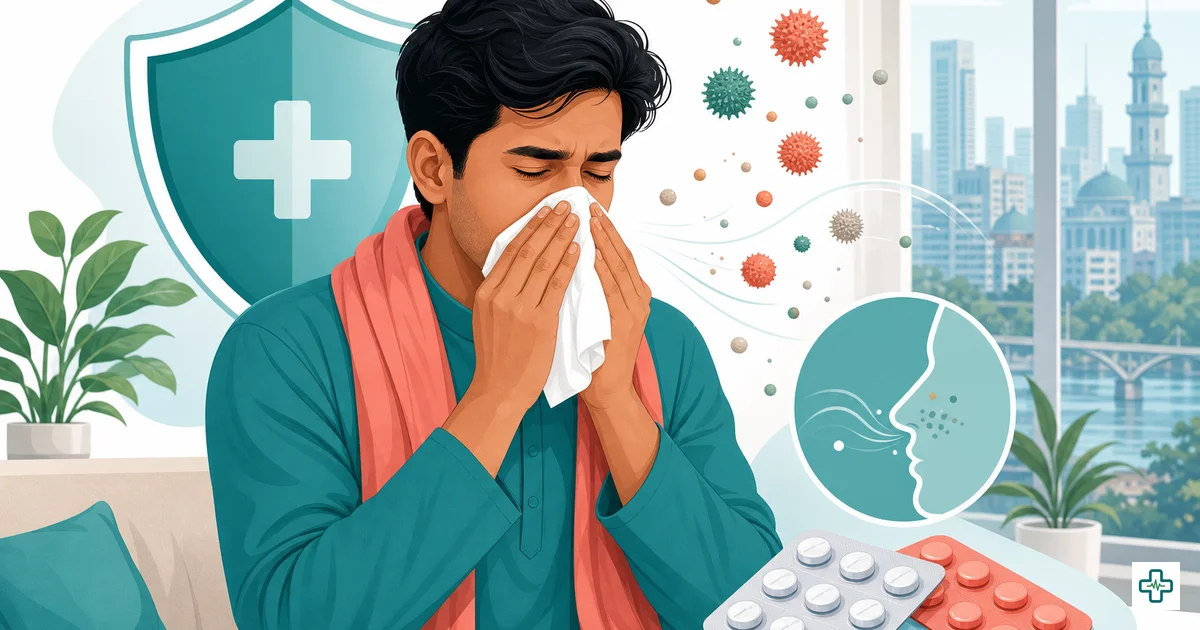
Every monsoon, dengue fever sweeps through Bangladesh as Aedes mosquitoes breed in stored rainwater around our homes. For most people dengue is a self-limiting fever that settles in about a week, but a small number develop a dangerous critical phase that needs hospital care. Knowing the symptoms, understanding the warning signs, and giving the right home care can be the difference between a smooth recovery and a serious complication. This article is general health information and is not a substitute for advice from a qualified doctor.
What is dengue and how does it spread?
Dengue is a viral infection spread by the bite of an infected female Aedes mosquito, which usually bites during the daytime, especially early morning and late afternoon. These mosquitoes breed in clean, still water collected in flower pots, discarded tyres, AC trays, water drums and rooftop containers. Dengue does not spread directly from person to person. There are four dengue virus types, so it is possible to catch dengue more than once in a lifetime, and a second infection can sometimes be more severe.
What are the symptoms?
Symptoms usually begin 4 to 10 days after the mosquito bite and often come on suddenly.
- High fever, often 39 to 40 degrees Celsius.
- Severe headache and pain behind the eyes.
- Muscle, joint and bone pain (dengue is nicknamed "breakbone fever").
- Nausea, vomiting and loss of appetite.
- A skin rash that may appear a few days into the illness.
- Mild bleeding such as gum bleeding or easy bruising.
The critical phase: why the day fever drops matters most
The most dangerous time is often when the fever starts to fall, usually around day 3 to 7. This is the critical phase, when fluid can leak from blood vessels and blood pressure can drop. Feeling better as the fever settles can be misleading, so watch the patient closely during these days rather than relaxing. Most platelet-count panic is unnecessary; a falling platelet number alone, without bleeding or warning signs, rarely needs a transfusion. Maintaining fluids and spotting danger signs early matters far more than the platelet figure.
Home care: fluids, paracetamol and rest
Most dengue patients recover at home with simple, careful management.
- Drink plenty of fluids: oral saline (ORS), coconut water, fresh fruit juice, soups and plain water to prevent dehydration.
- Use paracetamol for fever and pain, following the dose your doctor or pharmacist advises. You can check this common medicine in our medicine directory.
- Avoid aspirin, ibuprofen and other NSAID painkillers, as they raise the risk of bleeding.
- Rest well and monitor urine output; passing very little urine is a warning sign.
- Do a daily fever and fluid check, and keep a record to show the doctor.
If you need a written record of your medicines and instructions, you can use our free prescription tool to keep everything organised.
How can you prevent dengue at home?
Mosquito control is the only real protection, and a clean home is the best defence.
- Empty and scrub water containers, flower pot trays and AC drip trays every few days.
- Cover water storage drums and clear blocked drains and rooftop puddles.
- Use mosquito nets in the daytime for the sick and for young children.
- Apply mosquito repellent and wear full-sleeve clothing during peak biting hours.
- Support neighbourhood clean-up drives, since Aedes mosquitoes travel between nearby homes.
When should you see a doctor?
See a doctor at the start of any high fever during dengue season so the diagnosis can be confirmed with a blood test. Seek emergency hospital care immediately if you notice any warning sign: severe abdominal pain, repeated vomiting, bleeding from the gums or nose, blood in vomit or stool, black tarry stool, restlessness or drowsiness, cold clammy skin, or passing very little urine. These suggest the critical phase and need urgent treatment. You can find a relevant specialist through our list to see a relevant specialist, and read more health tips on seasonal illness.
Frequently Asked Questions
Does a low platelet count mean I need a transfusion?
Not usually. In dengue, platelets often fall and then recover on their own. A transfusion is considered only when the count is very low with active bleeding, decided by a doctor. Drinking enough fluids and watching for warning signs is far more important than the number alone.
Can I take paracetamol and ibuprofen together for the fever?
No. Use only paracetamol for dengue fever and pain. Avoid ibuprofen, aspirin and similar painkillers because they increase the risk of bleeding, which is already a concern in dengue.
Is papaya leaf juice a proven cure?
There is no strong evidence that papaya leaf juice cures dengue or reliably raises platelets, and it should never replace medical monitoring. Focus on fluids, rest and paracetamol, and keep your doctor informed.
Can I get dengue more than once?
Yes. There are four dengue virus types, so you can be infected again with a different type. A second infection can sometimes be more severe, which is why prevention and early monitoring remain important.
This article is for general health education and is not a substitute for professional medical advice.