Chamber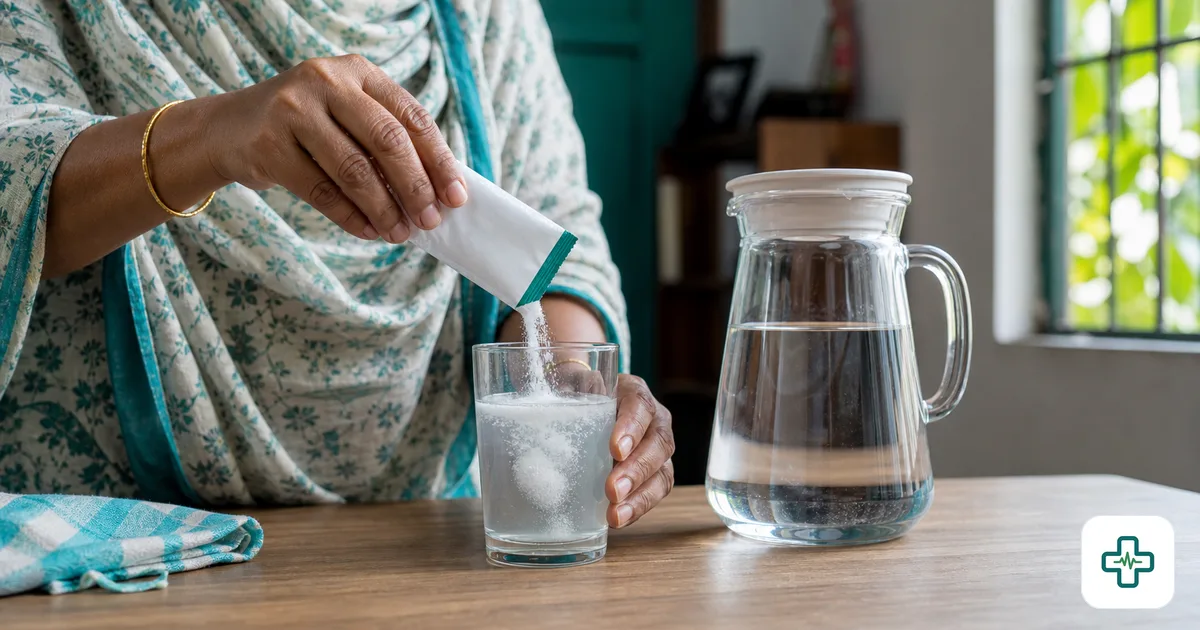
Cholera: Watery Diarrhoea, ORS and Prevention
Cholera is an old but still serious threat in Bangladesh, especially during floods and the monsoon, when safe water and sanitation come under strain. Its hallmark is sudden, profuse watery diarrhoea that can drain the body of fluids within hours and lead to dangerous dehydration. The reassuring news is that cholera is very treatable: the simple, low-cost oral saline developed in Bangladesh has saved millions of lives worldwide. Knowing the danger signs and acting fast is what matters most. This article is general health information and does not replace advice from a qualified doctor.
What is cholera?
Cholera is an intestinal infection caused by bacteria swallowed in contaminated water or food. It spreads where drinking water mixes with sewage, so floods, crowded living and poor sanitation raise the risk. Not everyone who is infected becomes severely ill; some have mild symptoms or none. But severe cholera can be life-threatening because of the speed at which fluid is lost, which is why prompt rehydration is the cornerstone of treatment.
What are the symptoms?
- Sudden, painless, very watery diarrhoea, classically pale and cloudy like "rice water."
- Large volumes of stool, sometimes litres in a few hours.
- Vomiting.
- Leg cramps from salt loss.
- Rapid weakness, thirst and signs of dehydration.
Recognising dangerous dehydration
In cholera, dehydration is the real danger, and it can develop quickly. Watch closely for these signs:
- Intense thirst and a dry mouth and tongue.
- Sunken eyes, and in babies a sunken soft spot on the head.
- Little or no urine for many hours.
- Skin that stays pinched when gently lifted.
- Restlessness, then drowsiness, weak pulse or cold hands and feet.
Severe dehydration is an emergency that needs hospital fluids, often given through a drip.
ORS: the life-saving first response
Oral rehydration solution (ORS), known locally as oral saline or khabar saline, is the single most important treatment and should be started at the very first loose stool, at home, without waiting.
- Use packet ORS mixed with the correct amount of clean, safe water, following the instructions on the packet.
- Give frequent small sips, and offer more after every loose stool or vomit.
- Keep breastfeeding infants and continue feeding children once vomiting eases.
- Continue zinc for children with diarrhoea if advised by a health worker.
- Avoid sugary soft drinks as a substitute, as they can worsen diarrhoea.
Severe cases also need medical care and sometimes antibiotics chosen by a doctor, never self-prescribed. You can look up medicines in our medicine directory and keep instructions clear with our free prescription tool, but rehydration always comes first.
How can you prevent cholera?
Safe water and clean hands break the cycle of cholera.
- Drink only safe water: boil it, or use proper purification, especially during floods.
- Wash hands with soap before eating and cooking and after using the toilet.
- Eat freshly cooked, hot food and avoid uncovered street food and unpeeled cut fruit.
- Use a hygienic latrine and keep sewage away from water sources.
- In high-risk areas and outbreaks, ask about the oral cholera vaccine, which gives extra protection alongside, not instead of, safe water and hygiene.
When should you see a doctor?
Seek medical care urgently if there is heavy watery diarrhoea with vomiting, signs of dehydration such as sunken eyes, very little urine, intense thirst or extreme weakness, or if a baby, young child, pregnant woman or elderly person is affected, as they dehydrate faster. Do not wait at home if the person cannot keep fluids down or becomes drowsy. You can see a relevant specialist and read more health tips on safe water and seasonal illness. Starting ORS while arranging care can save a life.
Frequently Asked Questions
What does cholera diarrhoea look like?
Classic cholera causes sudden, painless, very watery diarrhoea that looks pale and cloudy, like water that rice has been washed in. The large volume of fluid lost is what makes it dangerous, so rehydration must start immediately.
Is ORS enough, or are antibiotics always needed?
Oral rehydration solution is the main, life-saving treatment for most cases and should always be started first. Antibiotics are added only in more severe cases and must be chosen by a doctor, never self-prescribed.
How do I make ORS correctly at home?
Mix one packet of ORS with the exact amount of clean, safe water stated on the packet, never more or less, and give frequent small sips. Offer extra after every loose stool or vomit, and prepare a fresh batch as directed.
Should I get the oral cholera vaccine?
The oral cholera vaccine can give useful extra protection in high-risk areas and during outbreaks. It works alongside safe water and hygiene rather than replacing them, so ask a doctor or local health authority whether it is recommended for you.
This article is for general health education and is not a substitute for professional medical advice.