Chamber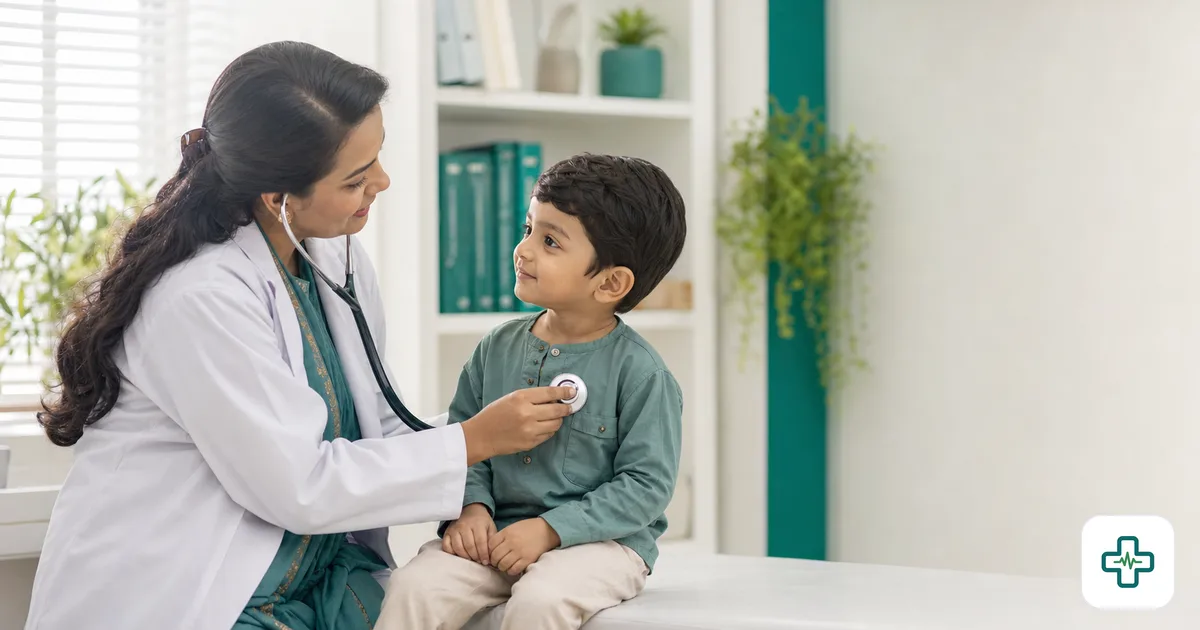
Child Pneumonia: Fast Breathing and Danger Signs
Pneumonia is one of the most serious chest infections in young children and remains a major cause of childhood illness in Bangladesh, especially during the winter and the cold-damp days that follow the monsoon. The reassuring part is that pneumonia has clear early warning signs that any parent can learn to recognise at home. Spotting fast breathing and chest in-drawing early, and acting quickly, can save a child's life. With timely treatment, most children recover fully.
What is pneumonia in children?
Pneumonia is an infection of the lungs in which the tiny air sacs fill with fluid, making breathing harder and reducing oxygen. It is usually caused by bacteria or viruses and often follows a simple cold or cough that travels deeper into the chest. Babies and children under five are most at risk because their lungs and immune systems are still developing. Recognising it as more than an ordinary cold is the key skill for parents.
Symptoms and warning signs
Pneumonia often starts like a common cold but then worsens. Watch for:
- Cough, fever, and a blocked or runny nose that is getting worse.
- Fast or difficult breathing, the single most important sign.
- The lower chest pulling inward with each breath (chest in-drawing).
- Noisy breathing, grunting, or flaring of the nostrils.
- Poor feeding, unusual tiredness, or restlessness.
How to count fast breathing at home
Counting breaths is a simple skill that helps you judge severity. With the child calm and still, count the rise of the chest or tummy for one full minute. Breathing is considered fast if it is 60 or more per minute under 2 months of age, 50 or more from 2 to 12 months, and 40 or more from 1 to 5 years. Fast breathing with cough and fever is a strong reason to see a doctor the same day.
Causes, triggers and the role of vaccines
Several factors raise a child's risk of pneumonia in Bangladeshi homes:
- Indoor smoke from cooking fires, mosquito coils, and cigarettes.
- Cold weather, crowding, and contact with sick family members.
- Poor nutrition and skipping exclusive breastfeeding in infancy.
- Incomplete vaccination against pneumonia-causing germs.
Vaccines are one of the strongest protections. The national EPI schedule includes the PCV (pneumococcal) vaccine and others that prevent common causes of severe pneumonia. Keeping your child's EPI vaccines complete and on time greatly lowers the risk.
Home care alongside medical treatment
If a doctor diagnoses pneumonia and the child can be treated at home, give the prescribed medicine exactly as advised and complete the full course. Keep the child warm, offer plenty of fluids and small frequent feeds, and continue breastfeeding. Clear a blocked nose with saline drops so feeding is easier. Never start antibiotics on your own; you can read about commonly prescribed medicines such as paracetamol for fever in our medicine directory, but the exact treatment must come from a doctor.
When should you see a doctor?
See a doctor the same day for any cough with fast or difficult breathing. Seek emergency care immediately if your child shows any danger sign:
- Chest pulling in deeply with every breath, or very fast breathing.
- Lips, tongue, or fingertips turning blue.
- Unable to drink or breastfeed, or vomiting everything.
- Drowsiness, difficulty waking, or convulsions.
These signs mean severe pneumonia and every minute counts. You can see a relevant specialist such as a paediatrician, keep a clear symptom and medicine record with our free prescription tool, and explore more guidance in our more health tips section.
Frequently Asked Questions
How is pneumonia different from a normal cold?
A normal cold mainly affects the nose and throat with mild cough and a runny nose. Pneumonia involves the lungs and shows fast or difficult breathing, chest in-drawing, and often higher fever. Fast breathing is the warning that a cold may have become pneumonia.
Does every case of pneumonia need hospital admission?
No. Many children with early, uncomplicated pneumonia can be treated at home with prescribed antibiotics and close watching. Hospital care is needed when danger signs appear or the child is very young or severely affected, as decided by a doctor.
Can vaccines really prevent pneumonia?
Vaccines such as PCV in the EPI schedule do not prevent every case, but they sharply reduce the most dangerous bacterial pneumonias. Keeping all childhood vaccines complete is one of the best protections you can give.
My child finished antibiotics but still coughs. Is that normal?
A mild cough can linger for a couple of weeks as the lungs heal, which can be normal. However, if breathing is fast, fever returns, or the child looks unwell, return to the doctor for review.
This article is for general health education only and is not a substitute for professional medical advice; please consult a qualified doctor for your child.