Chamber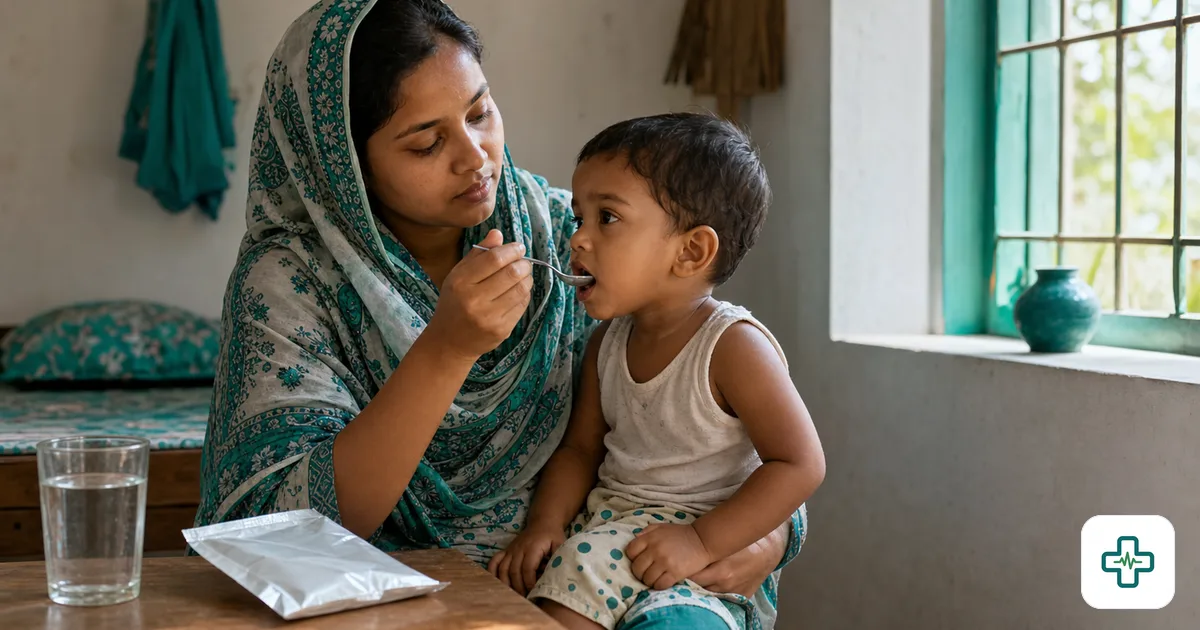
Child Diarrhoea: ORS, Zinc and Home Treatment
Diarrhoea is one of the most common reasons children fall ill in Bangladesh, especially in the hot, humid months and during the monsoon when water and food are more easily contaminated. The good news is that most cases are mild and can be managed safely at home. The biggest danger is not the loose stools themselves but the loss of water and salts, which can lead to dehydration. Knowing how to use oral rehydration solution (ORS) and zinc, and recognising warning signs early, can keep your child safe.
What counts as diarrhoea in a child?
Diarrhoea means passing loose or watery stools three or more times in a day. A breastfed baby normally passes soft, frequent stools, which is not diarrhoea. Most childhood diarrhoea is caused by a virus or infection from unclean water or food, lasts a few days, and gets better on its own with good fluids and feeding. The aim of home care is simply to replace what the body is losing.
Causes and common triggers
Several everyday situations raise the risk of diarrhoea in Bangladeshi homes:
- Drinking unsafe or unboiled water, or water from a contaminated source.
- Eating stale, uncovered, or street food exposed to flies.
- Not washing hands with soap before eating and after using the toilet.
- Feeding babies with unclean bottles or stored milk.
- Rotavirus infection, a leading cause in young children.
ORS and zinc: the core home treatment
The two pillars of treatment are oral saline and zinc. Mix one full packet of ORS in the correct amount of clean, boiled-and-cooled water as printed on the packet, never less water and never adding sugar or extra salt. Give small, frequent sips with a spoon or cup after every loose stool. If the child vomits, wait ten minutes and start again slowly.
Zinc helps the gut heal and shortens the illness. Doctors advise a daily zinc course for about ten to fourteen days, even after the diarrhoea stops. You can read about this medicine in our medicine directory, but the dose should be confirmed by a doctor or pharmacist for your child's age.
Keep feeding and fluids going
Do not stop food during diarrhoea. Continued feeding helps the child recover faster and prevents weight loss.
- Keep breastfeeding more often than usual for babies.
- Give soft, familiar foods such as khichuri, mashed banana, rice and dal.
- Offer extra fluids like rice water, coconut water, or homemade soup.
- Avoid sugary soft drinks and packaged juices, which can worsen diarrhoea.
Prevention for the whole family
Simple habits prevent most cases: drink safe water, wash hands with soap at key times, keep food covered, and use clean utensils. Ask your doctor about the rotavirus vaccine, which is given to babies and protects against severe diarrhoea. Exclusive breastfeeding for the first six months also strongly protects infants.
When should you see a doctor?
Take your child to a doctor or hospital without delay if you notice any danger sign of dehydration or serious illness:
- Sunken eyes, very dry mouth, or no tears when crying.
- Passing little or no urine for many hours.
- Unusual drowsiness, floppiness, or difficulty waking.
- Repeated vomiting that prevents the child from keeping fluids down.
- Blood in the stool, high fever, or diarrhoea lasting more than a few days.
For ongoing concerns you can see a relevant specialist such as a paediatrician, prepare a clear record with our free prescription tool, and find more guidance in our more health tips section.
Frequently Asked Questions
Can I give antibiotics for my child's diarrhoea?
Most diarrhoea is viral and does not need antibiotics, which can sometimes do harm if used wrongly. Antibiotics are only needed for specific infections and must be prescribed by a doctor, never bought over the counter on guesswork.
Is homemade salt-sugar water as good as packet ORS?
Packet ORS has the correct, balanced amount of salt and sugar and is safer and more effective. Use it whenever available. Homemade salt-sugar water is only a temporary measure if no ORS is on hand while you reach a pharmacy.
Should I stop milk or dairy during diarrhoea?
No, keep breastfeeding as normal. For older children, usual milk and food can continue. Only your doctor may advise a short change if a specific intolerance is suspected.
How long is diarrhoea normal before I should worry?
Most cases improve within three to five days. If it lasts longer, or any dehydration danger sign appears earlier, seek medical care promptly.
This article is for general health education only and is not a substitute for professional medical advice; please consult a qualified doctor for your child.