Chamber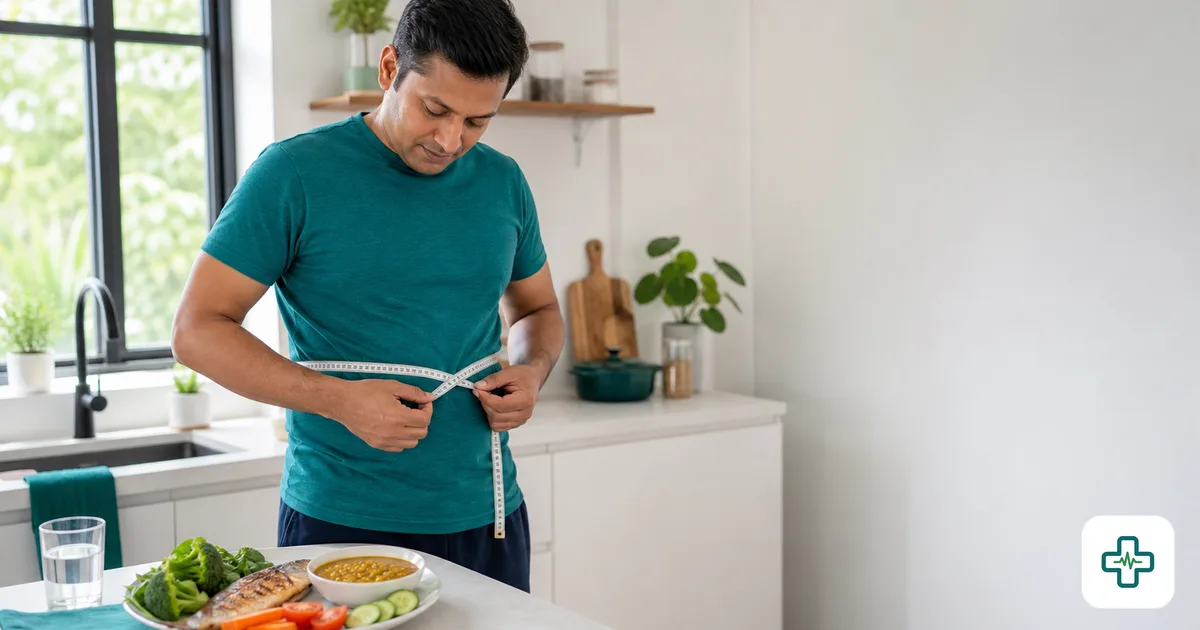
Belly Fat and Obesity: Health Risks and Reduction
A growing waistline is one of the most common health worries in Bangladesh today, and it is far more than a question of looks. The fat that collects around the belly is biologically active and is closely tied to diabetes, high blood pressure and heart disease. The good news is that even a modest, steady reduction in belly fat brings large health rewards, and it does not require crash diets or expensive gyms. Understanding why belly fat is risky and which changes actually work can help you protect your future health.
Why is belly fat more dangerous than other fat?
Not all body fat behaves the same way. The fat just under the skin on your arms or thighs is relatively harmless. But the deep fat packed around the liver, pancreas and intestines, called visceral fat, releases chemicals that raise blood sugar, blood pressure and harmful cholesterol. This is why a person can look only slightly heavy yet still face serious risk. In South Asians, including Bangladeshis, this dangerous fat tends to build up even at lower body weights than in many Western populations.
What are the main health risks?
Carrying excess belly fat over years quietly raises the chance of several conditions:
- Type 2 diabetes and insulin resistance.
- High blood pressure and heart disease.
- Fatty liver disease.
- High cholesterol and stroke.
- Joint pain, sleep apnoea and certain cancers.
Because these problems develop slowly and silently, many people only discover them during a checkup or after a heart event.
What waist size should you aim for?
A simple measuring tape around the navel often tells you more than the weighing scale. For South Asian adults, the warning thresholds are lower: roughly above 90 cm (about 35 inches) for men and above 80 cm (about 31 inches) for women suggests harmful belly fat. You do not need to reach a perfect number overnight. Losing even 5 to 10 percent of body weight, and trimming a few centimetres from the waist, already lowers blood sugar and blood pressure measurably.
How can you reduce belly fat realistically?
Spot exercises like endless sit-ups do not melt belly fat by themselves. Fat is lost across the whole body through a steady calorie balance and movement. Practical, Bangladesh-friendly steps include:
- Fill half your plate with vegetables and cut back on white rice portions, replacing some with vegetables or lentils.
- Reduce sugary tea, soft drinks, packaged juices and fried snacks like singara and puri.
- Choose lean protein such as fish, eggs, pulses and skinless chicken.
- Walk briskly for at least 30 minutes most days, and add simple strength work twice a week.
- Sleep 7 to 8 hours, as poor sleep and stress increase belly fat.
For balanced meal ideas suited to local food, see our more health tips.
When should you see a doctor?
Belly fat reduction is usually safe to begin on your own, but you should consult a doctor before starting if you have heart disease, diabetes, are pregnant, or are very unfit. See a doctor if you have a rapidly expanding waistline with increased thirst or fatigue, chest pain or breathlessness on exertion, or if your weight will not change despite genuine effort, since thyroid and hormonal problems sometimes play a role. A see a relevant specialist such as a medicine specialist or nutritionist can check your blood sugar, cholesterol and blood pressure. Avoid unregulated slimming pills; if a medicine is ever needed it should be prescribed and you can verify it in the medicine directory. Doctors can also use the free prescription tool to give clear written guidance.
This article is for general health education and is not a substitute for professional medical advice; please consult a doctor about your own situation.
Frequently Asked Questions
Can I lose belly fat without going to a gym?
Yes. Most people reduce belly fat through diet changes and regular walking at home. A gym is optional. Consistency over months matters far more than intensity for a few weeks.
Will sit-ups or a slimming belt flatten my belly?
No. Sit-ups strengthen muscles but do not burn the fat lying over them, and slimming belts only cause temporary water loss. Overall calorie balance and movement are what reduce belly fat.
Is belly fat dangerous even if I am not very overweight?
It can be. South Asians often carry harmful visceral fat at a normal body weight, so a large waist matters even if the scale looks acceptable. Measuring your waist is a useful early warning.
How quickly should I try to lose weight?
A safe pace is about half a kilogram to one kilogram per week. Very rapid weight loss is hard to maintain and can harm health, so slow and steady changes give the best lasting results.