Chamber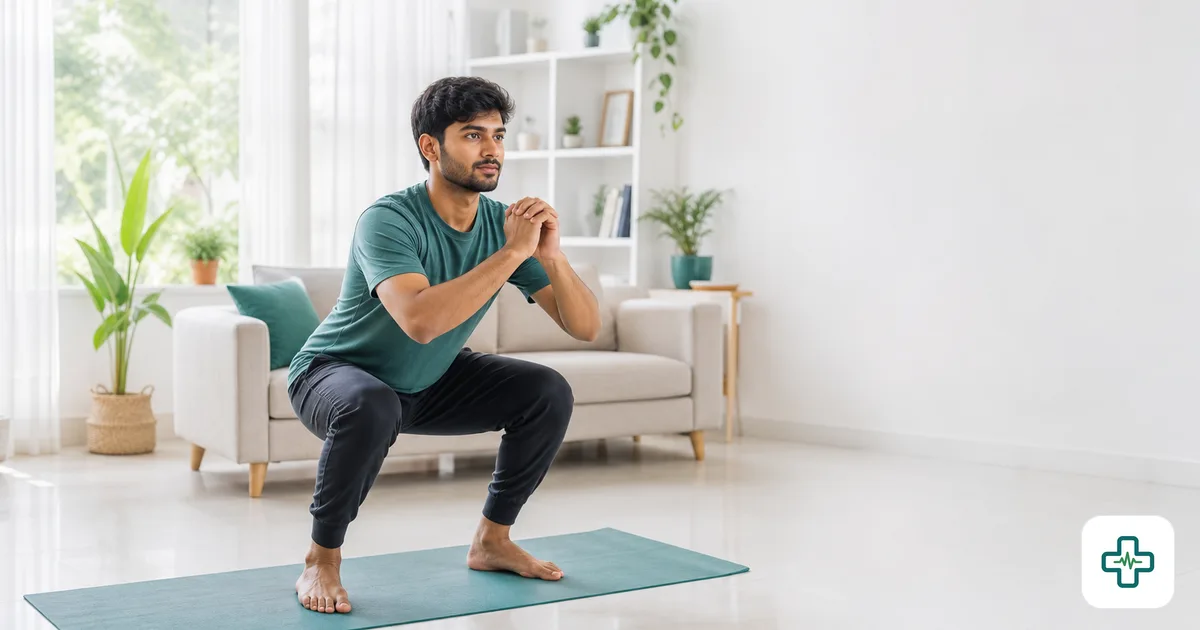
Beginner Exercise: A Simple Home Workout Plan
Starting to exercise can feel overwhelming, but the truth is you can build real fitness at home with no equipment and no membership fees. Regular movement protects against diabetes, heart disease, high blood pressure and depression, all of which are common in Bangladesh. The aim for a beginner is not to train like an athlete but to move a little more each week and make it a steady habit. This simple plan shows you how to begin safely, what to do, and how to keep going.
Why does exercise matter so much?
Our bodies are built to move, yet modern life keeps many of us sitting for long hours. Just 150 minutes of moderate activity a week, around 30 minutes on most days, lowers blood sugar and blood pressure, strengthens the heart, improves sleep and lifts mood. You do not need to do it all at once; three short ten-minute bouts in a day count just as well. For a beginner, even a daily brisk walk is a powerful start.
How should a complete beginner start?
Begin gently and let your body adapt. A sensible first month might look like this:
- Week 1 to 2: a brisk 15 to 20 minute walk on 5 days, plus gentle stretching.
- Week 3 to 4: extend the walk to 30 minutes and add a few simple bodyweight moves twice a week.
- Always start with 5 minutes of easy warm-up and finish with gentle stretches.
Walking inside the house, on the roof, or in a nearby park all work. Comfortable shoes and loose clothing are enough.
What bodyweight exercises can I do at home?
These moves use only your body weight and a little floor space. Start with one set of each and slowly build up:
- Chair squats: stand up and sit down from a sturdy chair, 8 to 12 times.
- Wall push-ups: push away from a wall, 8 to 12 times, before trying floor push-ups.
- Standing marches or knee lifts to raise the heart rate.
- Calf raises and gentle lunges for the legs.
- A short plank or simple core hold, building from a few seconds.
Aim for two or three sessions a week on non-consecutive days so muscles can recover.
How can I stay consistent and motivated?
Consistency beats intensity every time. Pick a fixed time, such as after Fajr or before dinner, so exercise becomes routine. Start so small that it feels almost too easy, because an easy habit is one you will keep. Track your days on a calendar, exercise with a family member or neighbour, and celebrate small wins like climbing stairs without breathlessness. If you miss a day, simply restart the next day rather than giving up. For more practical wellbeing advice, browse our more health tips.
When should you see a doctor?
Light walking is safe for almost everyone, but check with a doctor before starting a new routine if you have heart disease, uncontrolled high blood pressure or diabetes, are pregnant, are recovering from surgery, or are over 60 and inactive. Stop and seek urgent care if you feel chest pain or tightness, severe breathlessness, dizziness or fainting, or an irregular heartbeat during activity. You can find a sports medicine or general physician through our list to see a relevant specialist. If you take medicines for blood pressure or diabetes, you can review them in the medicine directory, and your doctor can issue clear advice using the free prescription tool.
This article is for general health education and is not a substitute for professional medical advice; please consult a doctor about your own situation.
Frequently Asked Questions
How many days a week should a beginner exercise?
Aim for some movement on most days, building toward about 150 minutes a week. For strength moves, two or three sessions a week with rest days in between is ideal for beginners.
Do I really need no equipment to get fit?
Yes. Walking and bodyweight exercises such as squats, wall push-ups and planks build genuine fitness. A chair and a small floor space are all most beginners need to start.
Is it normal to feel sore after starting?
Mild muscle soreness for a day or two is normal when you begin. Sharp pain, swelling or pain in a joint is not normal and means you should rest and, if it persists, see a doctor.
What is the best time of day to exercise?
The best time is whenever you can do it consistently. In hot weather, early morning or evening avoids the midday heat. Pick a slot that fits your routine so the habit sticks.