Chamber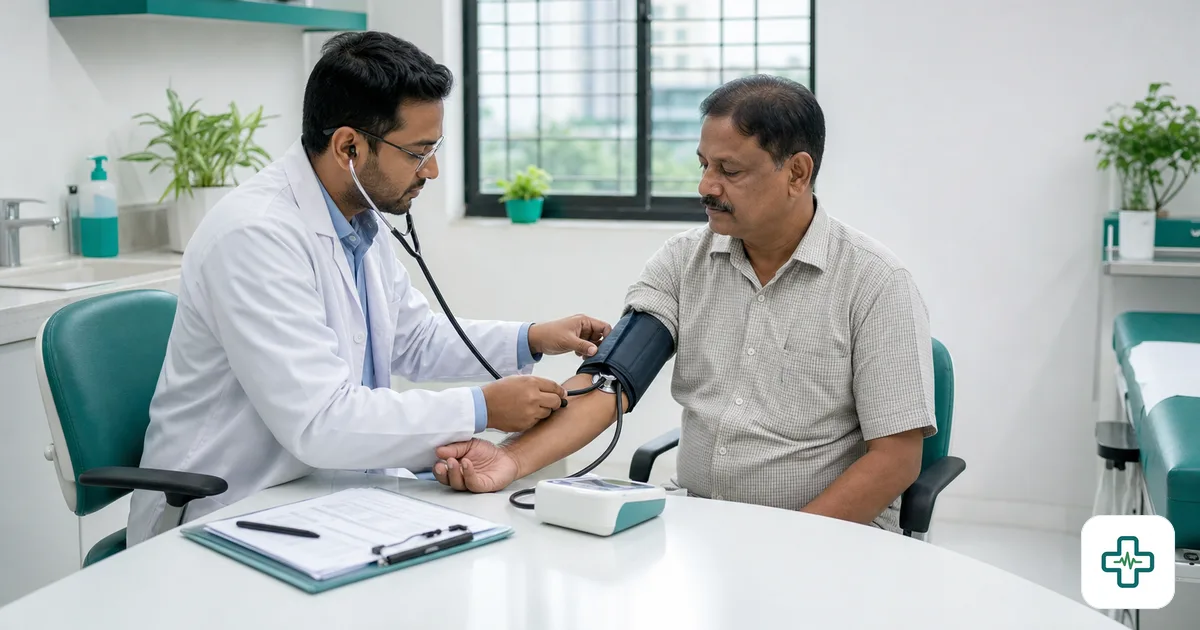
Annual Health Checkup: Which Tests by Age
Many serious health problems in Bangladesh, such as high blood pressure, diabetes, high cholesterol and some cancers, develop silently for years before causing symptoms. A regular health checkup is a simple way to catch these early, when they are easier and cheaper to control. The aim is not to do every expensive test, but the right tests for your age and risk. Catching a problem early often means simple lifestyle changes instead of lifelong complications. This article is general health information and does not replace advice from a qualified doctor.
Why do yearly checkups matter?
Conditions like raised blood pressure and blood sugar usually cause no warning signs until damage is already done to the heart, kidneys, eyes or nerves. A checkup measures these quietly developing risks so you can act before complications appear. Early detection is also far cheaper than treating a heart attack, stroke or kidney failure later, and it gives peace of mind. The right schedule depends on your age, family history and existing conditions, so checkups are best planned with a doctor rather than ordered at random.
Which tests matter by age?
These are general guides; your doctor will tailor them to you.
- In your 20s-30s: blood pressure, weight and waist, blood sugar and a lipid (cholesterol) profile if there is family history or excess weight, plus dental and eye checks. Women should discuss cervical screening as advised.
- In your 40s: the above plus regular blood sugar and cholesterol checks, kidney and liver function as advised, and attention to heart risk. Screening for breast and cervical cancer becomes more important for women.
- In your 50s and beyond: the above plus closer monitoring of blood pressure, sugar and cholesterol, bowel cancer screening, bone health for women after menopause, and prostate discussion for men.
What numbers should you track?
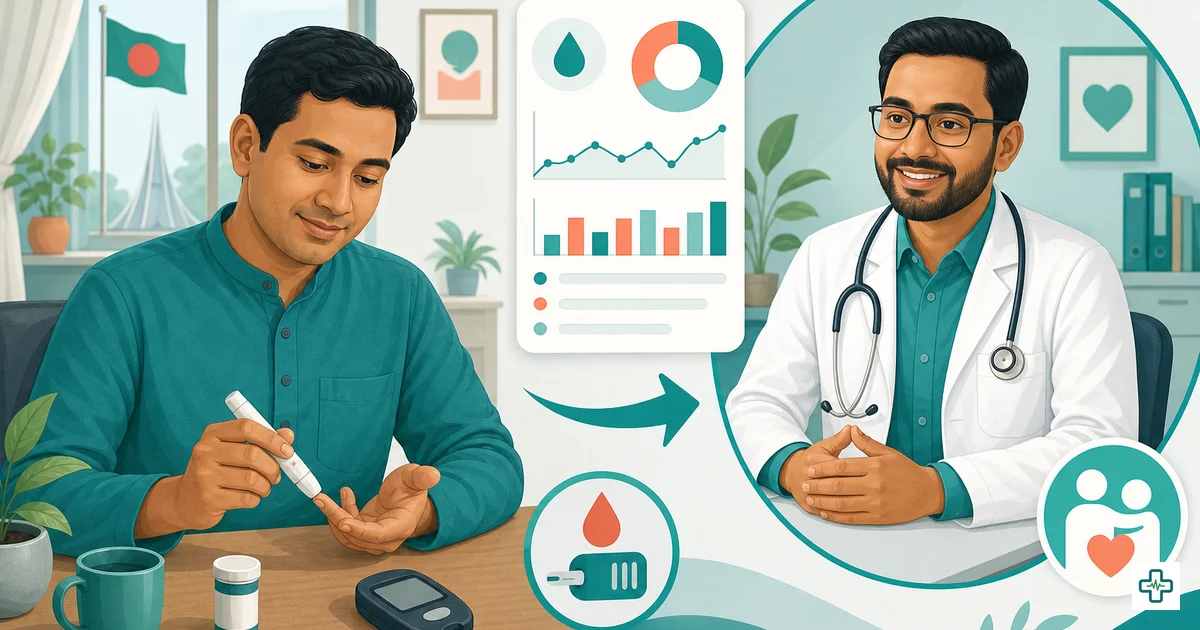
A few key numbers tell you a lot about your health and are worth knowing and recording at each visit.
- Blood pressure, ideally around 120/80, and how it changes over time.
- Fasting blood sugar or HbA1c to screen for diabetes.
- Cholesterol profile, including total, LDL (bad) and HDL (good) cholesterol.
- Body weight, waist size and body mass index (BMI).
- Kidney and liver function if your doctor advises, especially with diabetes or high blood pressure.
How does early detection help?
When problems are found early, treatment is often simpler, cheaper and more effective. Mildly raised blood pressure or sugar may be controlled with diet, exercise and weight loss alone, avoiding years of medication and complications. Early-detected cancers are far more treatable. If medicine is needed, common options such as metformin for diabetes can be looked up in our medicine directory, and you can keep instructions clear with our free prescription tool. Remember that medicines should always be started and adjusted on a doctor's advice, not on your own.
When should you see a doctor?
Even between checkups, see a doctor if you notice unexplained weight loss, ongoing tiredness, excessive thirst or urination, chest pain, breathlessness, persistent cough, a new lump, or any change that worries you, rather than waiting for your yearly visit. Seek urgent care for sudden chest pain, severe breathlessness, weakness on one side, difficulty speaking, or fainting, which are emergencies. To plan an age-appropriate checkup, you can see a relevant specialist or a general physician, and read more health tips on preventing common diseases.
Frequently Asked Questions
How often should a healthy adult have a checkup?
For most healthy adults, a checkup roughly once a year is reasonable, with simple measures like blood pressure checked more often if needed. People with diabetes, high blood pressure, a strong family history or other conditions usually need more frequent monitoring, which a doctor will plan based on their risk.
Do I need expensive whole-body test packages?
Not usually. Doing every available test is rarely necessary and can lead to confusing or misleading results. It is better to do the tests that match your age, risk and symptoms, chosen with a doctor, which is both more useful and more affordable than a large untargeted package.
I feel completely fine — why should I get tested?
Many serious conditions such as high blood pressure, diabetes and high cholesterol cause no symptoms for years while quietly damaging the body. Feeling fine does not rule them out, and a simple checkup can catch them early when they are easiest to control and far cheaper to treat.
Which numbers are most important to know?
The most useful numbers for most adults are blood pressure, fasting blood sugar or HbA1c, cholesterol levels, and weight or BMI. Knowing and tracking these over time helps you and your doctor spot trends early and take action before complications develop.
This article is for general health education and is not a substitute for professional medical advice.